Yes, you can protect your garden and houseplants from mold and fungal diseases with ready-to-use sprays. This guide highlights five practical options that are suitable for home gardeners, indoor plant fans, and small-scale organic growers. Each product targets common problems like powdery mildew, leaf spot, and blight, with different ingredients and methods. The top picks are selected for clarity, safety, and ease of use, with notes on ideal plant types and situations. Read on to find which spray best fits your plants, whether you grow vegetables, ornamentals, or decorative houseplants.
Summary of selected products (for quick comparison):
- Bonide Captain Jack’s Copper Fungicide 32 oz — Ready-to-use copper-based fungicide for organic gardening; broad disease control.
- Garden Safe Fungicide 3 32 Oz. — Three-in-one product: fungicide, insecticide, and miticide; good for diverse home garden needs.
- Grower’s Ally Fungicide — Copper-free, citric acid formula; safe for harvest day and bees; ideal for copper-sensitive plants.
- Plant Disease Control Spray – FortaGrow Thyme Oil — Natural thyme oil-based spray; allergen-friendly and plant-based.
- Trifecta Crop Control Ready to Use — All-natural, plant-based formula; broad pest and powdery mildew protection.
Bonide Captain Jack’s Copper Fungicide 32 oz

This ready-to-use liquid copper fungicide is listed for organic gardening. It helps control a broad range of diseases, including blight, powdery mildew, black spot, and peach leaf curl. Best for: outdoor vegetable beds, fruiting plants, and ornamentals where organic approval matters. Consideration: copper can accumulate in soil over time, so avoid excessive, repeated applications on sensitive soils.
Garden Safe Fungicide 3 32 Oz. Ready to Use

This 3-in-1 product serves as a fungicide, insecticide, and miticide. It’s suitable for organic gardening and can be used around roses, flowers, houseplants, trees, shrubs, fruits, and vegetables. Best for: households seeking a single spray for multiple threats. Limitation: may require reapplication on active infestations or heavy fungal pressure.
Grower’s Ally Fungicide for Plants

This food-grade formula uses citric acid instead of copper, making it a copper-free option. It’s safe for harvest day and for use around pets and bees, and is suitable for houseplants, vegetables, and ornamentals. Best for: gardeners seeking a non-metal option with organic-friendly labeling. Caution: may require more frequent applications on persistent mildew areas, as it relies on surface activity rather than systemic action.
Plant Disease Control Spray – Thyme Oil

This natural fungicide uses thyme oil, a plant-based antifungal. It targets powdery mildew, botrytis, and anthracnose on indoor and outdoor plants. Best for: gardeners who prefer botanical essential oils and a fragrance-free option for indoor spaces. Limitation: natural oils may have a shorter residual effect and might require more frequent applications in high-humidity areas.
Trifecta Crop Control Ready to Use
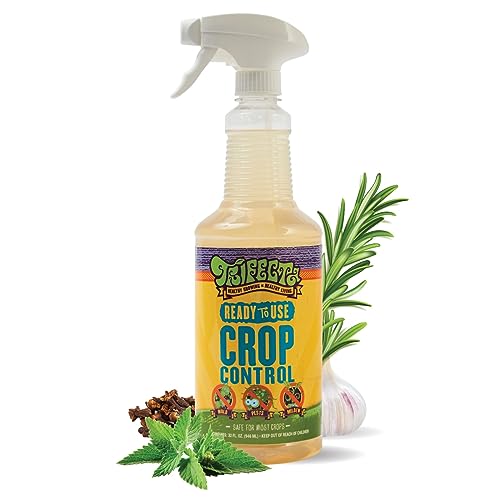
This all-natural, plant-based formula focuses on pests and powdery mildew. It’s designed for indoor and outdoor use, safe for edible crops, and aims to minimize impact on beneficial insects. Best for: organic gardeners seeking a broad-spectrum, residue-free spray. Limitation: may require multiple applications for heavy pest pressure or severe mold outbreaks.
Buying Guide
- What problem are you tackling? Powdery mildew, blight, leaf spot, or a mix of pests? Choose a product designed for the primary issue you see.
- Active ingredient considerations: copper-based products (effective but may affect soil copper levels) vs. copper-free options (safer for copper-sensitive plants) vs. essential-oil or citric-acid formulations (gentler but may require more frequent applications).
- Plant type and use: consider whether you need an indoor, outdoor, edible crop, or ornamentals spray. Some products are labeled for organic gardening and harvest-day use.
- Bees and beneficials: prefer products with minimal impact on pollinators if applied during flowering periods or around pollinator-friendly areas.
- Re-entry and harvest intervals: check how long to wait before touching treated plants, especially for edible crops.
- Reuse and compatibility: some sprays combine fungicidal properties with insecticidal action; assess whether you need a multi-action product or a targeted fungicide.
FAQ
- What is the best copper-based spray for powdery mildew on roses?
– Bonide Captain Jack’s Copper Fungicide is commonly chosen for organic rose care due to its broad disease control and organic suitability. - Can I use natural plant-oil sprays on edible crops?
– Yes, if labeled for edible crops. FortaGrow Thyme Oil is designed for safe indoor/outdoor use and is suitable for many edible and ornamental plants. - Are copper-free options effective against powdery mildew?
– Yes, copper-free options using citric acid or plant oils can be effective, though they may require more frequent applications in active mildew conditions. - Is there a product that combines pest and disease control in one spray?
– Garden Safe Fungicide 3 is a 3-in-1 product that includes fungicide, insecticide, and miticide actions. - Should I avoid using copper-based sprays near silver or copper-sensitive soils?
– Prolonged, repeated use can affect soil copper levels; consider rotation with copper-free products if soil copper buildup is a concern.