Answering common buyer questions: these ultra-fine mesh garden netting options protect vegetables, fruits, and flowers from pests while letting water, light, and air reach roots. Best for raised beds, row covers, and small-plot gardens. This guide highlights five well-suited options and explains who each is best for, plus practical buying tips.
Summary of chosen products:
- Alphatool 2 Pack 6.5x10ft Garden Netting
- Garden Tailor 4’x10′ Fine Bug Netting
- Monirsen Garden Netting Kit for Raised Beds (10x30FT) with Hoops
- UYEDUJZ 2 Pack Garden Netting for Raised Beds (4x2FT)
- FEED GARDEN Garden Netting 8x10FT Ultra-Fine Mesh
Alphatool 2 Pack Ultra Fine Garden Netting

Best for small- to medium-sized raised beds where you need a reliable barrier against birds and small animals without hindering water or light. The two-pack 10×6.5-foot nets are designed to cover most standard raised beds or greenhouse sections. Made from high-quality PE material, these nets are durable and reusable if properly cared for. A key advantage is their ultra-dense mesh, which prevents pests while still allowing photosynthesis, rain, and irrigation to reach plants. A potential limitation is that this product listing notes only the netting is included—no supporting poles—so buyers must supply their own frames or hoops.
Who this is best for: Gardeners with standard raised beds seeking a cost-effective, reusable pest barrier that does not require special hardware.
Garden Tailor 4’x10′ Fine Bug Netting
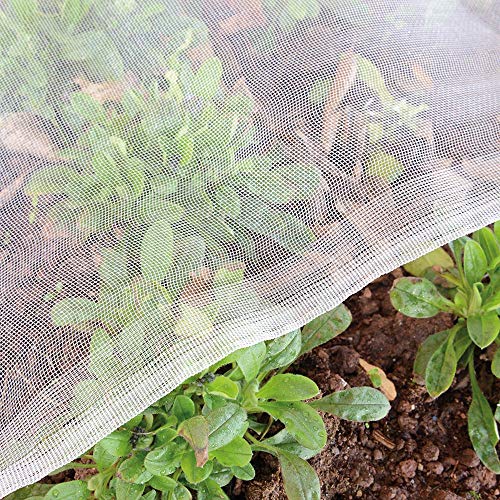
Versatile all-purpose netting, sized for a 4×10-foot area, ideal for row covers, raised beds, and even indoor use. This polyester-HDPE blend provides UV resistance and durable wear, with a tight selvedge to resist unraveling. The mesh is designed to block a wide range of pests (insects and small animals) while remaining breathable for light and water. Best for gardeners seeking a robust barrier that can be used across different zones, including greenhouses. A caveat is that it’s not a complete hoop system by default, so users may need lightweight supports for larger installations.
Who this is best for: Gardeners needing strong, multi-use netting that can cover various shapes and beds, with less risk of edge fray.
Monirsen Garden Netting Kit (10x30FT) With Hoops
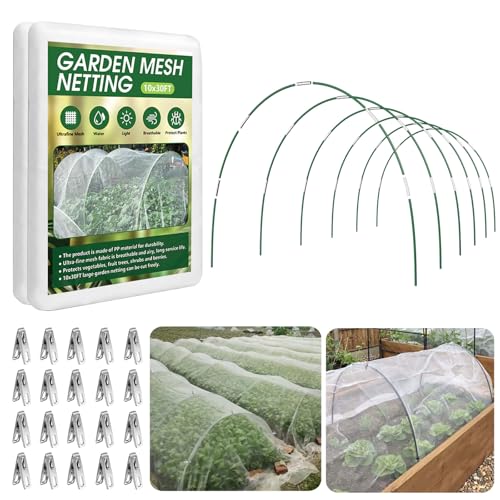
This kit provides a complete row-cover solution: one 10×30-foot ultra-fine net, six fiberglass hoops (8-foot each), and supporting clips. The ultra-fine mesh (0.8mm x 1mm) blocks insects and small animals while allowing air, light, and water to pass. The fiberglass hoops are rust-proof and durable, enabling a quick, tall tunnel-like setup for long-term protection. Best for gardeners who want a ready-to-install system that can be adapted to various bed sizes. Limitation: the kit’s full setup requires assembly and components like hoops, which may be extra upfront effort for first-timers.
Who this is best for: Gardeners seeking a turnkey tunnel-style system with included supports for larger beds or multiple plots.
UYEDUJZ 2 Pack Raised Bed Netting (4x2FT)

Designed for a 4×2-foot raised bed, this two-pack cover uses 0.05-inch dense mesh to shield plants from insects while letting sunlight, air, and rain through. It includes double drawstrings on both sides for a secure fit and a set of 12 garden clips to position the netting precisely. Best for compact beds or planters where precise coverage and ease of use are priorities. A limitation is the relatively smaller footprint per unit; larger beds may need multiple sheets joined or cut to fit.
Who this is best for: Urban gardeners with compact raised beds seeking a secure yet easy-to-install netting solution.
FEED GARDEN Ultra-Fine 8x10FT Net

This 8×10-foot garden netting uses 0.7×0.8 mm high-density mesh, designed to block birds and small animals while allowing light, air, and water to pass. It’s UV-stabilized for durability and suited for long-term use as a greenhouse mesh cover or seasonal barrier. Best for gardeners needing a larger, simpler single-piece netting. Limitation: not a full hoop system by default, so installation may require additional supports for a secure fit in windy areas.
Who this is best for: Gardeners wanting a large, straightforward net to cover big beds or sections without assembling a frame.
Buying Guide: Mesh Netting For Garden Beds
What mesh size should you choose?
- Ultra-fine mesh (around 0.8–1.0 mm openings) is best for keeping out small insects and animals while preserving airflow and light.
- Mesh density affects water and sunlight passage. Higher density nets may require careful watering plans.
Should you use a hoop or frame?
- Hoop-based kits offer quick install and stable coverage for larger beds or windy sites.
- Fabric-only nets are lighter and cheaper but may sag or flap in strong winds without proper anchoring.
Durability and material considerations
- Look for UV-stabilized PE or HDPE fabrics for outdoor longevity and repeated seasons.
- Check edge finishing (selvedge) to minimize fraying or unraveling during use.
Coverage and fit for irregular beds
- Measure bed dimensions and check if nets can be cut or joined safely without compromising integrity.
- Double drawstrings or adjustable hems help secure nets more effectively around irregular shapes.
Installation tips
- Anchor nets with clips, ties, or soil anchors to prevent wind uplift.
- Water and feed through the mesh when needed; avoid removing nets for routine irrigation if possible.
Frequently Asked Questions
- What is ultra-fine garden netting best used for?
Ultra-fine netting is designed to block small insects and birds while allowing light, air, and water to reach plants. - Do I need hoops or frames?
Hoops provide structure and are helpful for larger beds; nets can also work with corner stakes or clips. - Can these nets be reused after a season?
Yes, many nets are designed for multi-season use if stored properly and not torn. - Will the mesh affect plant growth?
As long as water, light, and air can pass through, growth is not negatively impacted. - How do I secure nets to prevent wind damage?
Use clips, ties, or stakes; ensure edges are weighted or anchored. - Can these nets be cut to fit odd bed shapes?
Many nets can be cut with scissors; ensure edges remain intact to avoid fraying.