Yes, you can bring year-round tropical vibes to your patio with live potted palm trees. This guide focuses on compact, easy-to-care-for options that perform well outdoors in sunny spaces, shaded patios, or sunrooms. Suitable buyers include: homeowners decorating a small balcony, busy apartment dwellers needing low-maintenance greenery, and outdoor-space enthusiasts seeking a tropical focal point. The selections below balance size, care, and aesthetic appeal to suit patio environments while staying practical for American climates. A quick buying table follows to compare core details at a glance.
| Product | Best For | Why It Stands Out |
|---|---|---|
| American Plant Exchange Live Coconut Palm | Bright patios with tropical feel | Compact coconut palm with arching fronds; easy care |
| American Plant Exchange Sago Palm | Stylish, drought-tolerant accents | Low maintenance; striking trunk and fronds |
| Costa Farms Majesty Palm | Tall, elegant greenery for sunrooms | Real palm height and refined look |
| Costa Farms Cat Palm | Pet-friendly tropical decor | Compact palm with safe, lush fronds |
| American Plant Exchange Majesty Palm (10-Inch) | Indoor/outdoor versatility | Feathery fronds add height and calm |
American Plant Exchange Live Coconut Palm — 6-Inch Pot
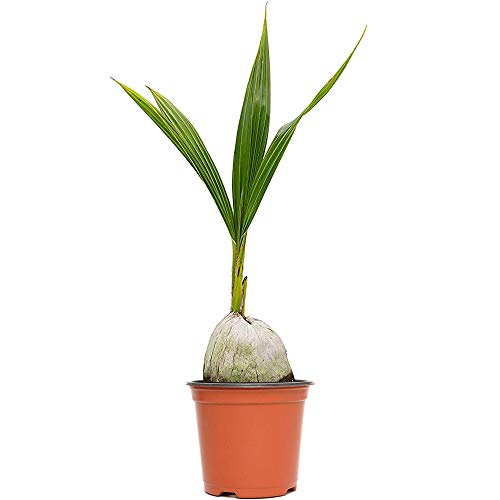
The American Plant Exchange Live Coconut Palm offers a compact Malay coconut variety with arching fronds that create a tropical centerpiece on patios or sunrooms. Best for small patios or indoor spaces that need a bright tropical accent. The plant tolerates bright sunlight and moderate watering, making it a low-maintenance choice for palm lovers seeking island vibes. A coconut husk base adds a distinctive focal point, ideal for coastal-inspired decor.
Selected for buyers wanting a true palm silhouette in a manageable size. Caution: ensure well-draining soil and avoid overwatering in cooler months to prevent root issues.
American Plant Exchange Sago Palm — Live 10-Inch Starter
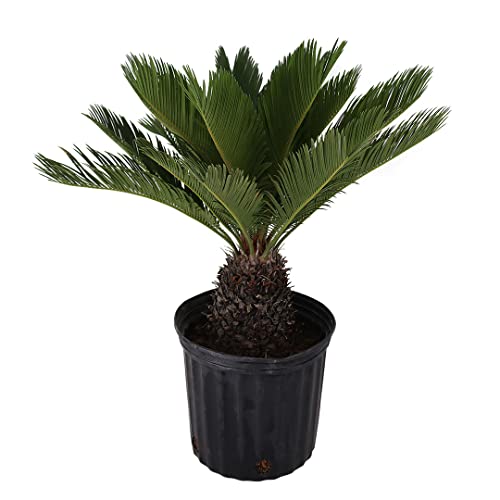
The Sago Palm is a slow-growing, architectural option with a striking trunk and feathery fronds. Best for indoor and outdoor spaces where a drought-tolerant, easy-care plant is desired. It thrives in bright indirect light to full sun with minimal watering, making it suitable for beginners. Use as a container palm on a patio entryway or living area for a compact tropical statement.
Choose this if you want a palm that remains crisp and decorative with minimal maintenance. Limitation: avoid overwatering and protect from extreme cold to prevent leaf browning.
Costa Farms Majesty Palm Indoor Plant — Real 3-4 Feet Tall

The Majesty Palm from Costa Farms brings a refined tropical elegance with 3-4 feet of arching fronds. Best for sunrooms or patios that can accommodate a taller, more formal palm silhouette. It doubles as a natural air purifier and requires bright, indirect light with consistently moist, well-draining soil. It’s a pet-friendly, non-toxic option for homes with curious pets.
Better for buyers seeking a taller, more dramatic palm without extending into full outdoor landscape scale. Caution: provide support if placed in windy balcony corners to prevent frond damage from gusts.
Costa Farms Cat Palm Live Plant in Decorative Pot
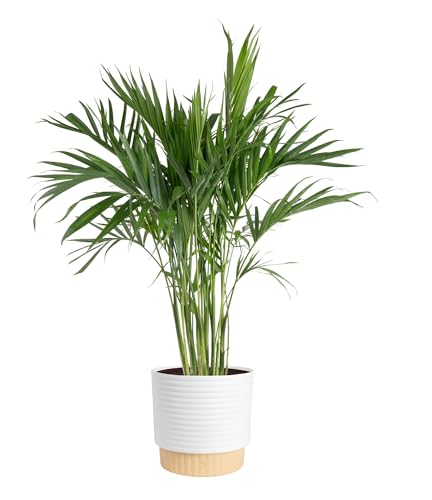
The Cat Palm from Costa Farms offers lush, tropical fronds in a decorative pot. Best for homes, offices, and rooms that benefit from a tropical feel without overwhelming space. It doubles as a natural air purifier, with a vibe that suits contemporary decor while remaining relatively low maintenance. Fully suited for patios or indoor corners where a compact palm is preferred.
Choose this if you want a pet-friendly, easy-care palm with a bright, tropical presence. Limitation: ensure the plant has bright, indirect light to maintain the frond density; too little light may slow growth.
American Plant Exchange Majesty Palm — 10-Inch Pot

The Majesty Palm in a 10-inch pot delivers an upscale, tall, arching presence for patios and interiors. Best for buyers who want a statement palm with height and lush texture for living rooms, lobbies, or sunrooms. It appreciates bright, indirect light and moist, well-draining soil with occasional misting to maintain humidity around tall fronds. This choice balances dramatic look with adaptable indoor-outdoor use.
Better for larger patios or indoor zones where height matters. Limitation: taller specimens can require more space and stronger support in windy outdoor spots.
Buying Guide: Palm Trees For Patios
- Light requirements: Most potted palms prefer bright, indirect light or full sun with protection from intense afternoon rays. Decide based on your patio orientation and whether you’ll use shade cloth or plant covers.
- Watering and soil: Use well-draining soil and avoid overwatering. Many palms tolerate brief drying between watering but dislike soggy roots. For beginners, drought-tolerant varieties like Sago Palm can be forgiving.
- Size and space: Measure available space before selecting a pot size. Compact 6- to 10-inch pots suit small patios, while taller choices suit sunrooms or larger decks.
- Pet considerations: If pets share your space, prefer non-toxic varieties such as Majesty Palm or Cat Palm to avoid safety concerns.
- Maintenance: Look for hardy fronds and balanced growth. Some palms benefit from occasional misting to raise humidity, which supports lush foliage on indoor-outdoor installations.
- Climate compatibility: In colder regions, bring potted palms indoors during frost or provide winter protection. Coastal and warmer zones handle outdoor placement longer into the year.
Frequently Asked Questions
- What is the easiest palm to grow on a patio?
Low-maintenance options like Sago Palm or Coconut Palm are often easiest for beginners due to tolerant watering needs and compact size.
- Are these palms safe for homes with pets?
Many varieties are non-toxic to pets, but always verify specific plant safety for your animals and supervise access to minimize chewing hazards.
- How much light do patio palms require?
Most palms need bright light or filtered sun. Indirect light helps many varieties keep vibrant fronds without scorching in peak sun.
- Can potted palms survive winter outdoors?
In colder regions, bring them indoors or provide winter protection. Some palms tolerate partial frost, but prolonged freezing can damage roots and fronds.
- Do palms need special soil?
Well-draining potting mix is essential. Avoid heavy soils that retain moisture and consider a repot after roots become crowded.