A well-balanced liquid fertilizer can help vegetables grow faster, develop stronger roots, and produce tastier harvests. The following selections are top-rated liquid feeds commonly used for in-ground gardens, containers, and indoor setups. Each product features a nutrient mix designed to support leafy growth, flowering, and fruiting, with options ranging from all-purpose to vegetable-specific formulas. The list focuses on nutrient-rich blends that are easy to apply and widely compatible with sustainable gardening practices.
| Product | Brand | Key Benefit | Form/Size |
|---|---|---|---|
| True Organic Liquid Tomato & Vegetable Food | True Organic | Organic nutrient blend for superior harvests | 16 fl. oz. |
| FoxFarm Big Bloom Plant Food | FoxFarm | Rich in bloom-boosting nutrients and natural ingredients | Pint |
| FoxFarm Grow Big Liquid Plant Food | FoxFarm | Vegetative growth enhancer for bigger, sturdier plants | Pint |
| GARDENWISE 10-10-10 All Purpose Plant Food | GARDENWISE | Balanced NPK with seaweed extract and iron | 1x8oz |
| True Organic Liquid All Purpose Plant Food | True Organic | All-purpose organic nutrition for fruits, vegetables, and herbs | 32 fl. oz. |
True Organic Liquid Tomato & Vegetable Food

This Organic liquid food is designed to boost organic yields for tomatoes and a broad range of vegetables. Its formulation includes an exclusive Soy Protein Hydrolysate blend to improve soil health and plant nutrition, supporting both in-ground and container setups. The product emphasizes a versatile application, suitable for indoors or outdoors, providing balanced nourishment for thriving gardens. Use is straightforward: mix with water to feed plants on a regular schedule and monitor growth response. The organic basis helps gardeners seeking sustainable options without synthetic inputs.
FoxFarm Big Bloom Plant Food

Big Bloom is a versatile liquid fertilizer aimed at flowers, fruits, and vegetables. Its micro-brewed formula includes earthworm castings, bat guano, and other high-test ingredients to deliver a broad spectrum of nutrients. Designed to support robust root systems, enhanced flowering, and improved flavor, this product helps plants develop better fragrance and essential oil production. It’s suitable for both indoor and outdoor use, and pairs well with other FoxFarm inputs to optimize vigor during different growth stages.
FoxFarm Grow Big Liquid Plant Food
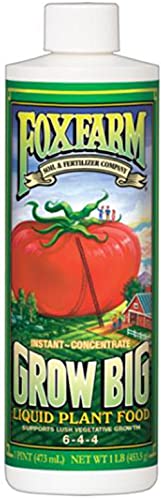
Grow Big targets vegetative growth to produce bigger plants with stronger root systems, which supports later fruiting and flowering. The formula emphasizes richer foliage and structure, enabling more abundant fruit and bud development. Its power blend includes earthworm castings, kelp, and other high-test ingredients to supply essential nutrients in a balanced manner while avoiding harmful chemicals. This product is suitable for both indoor and outdoor use on vegetables, herbs, and ornamental crops.
GARDENWISE 10-10-10 All Purpose Liquid Fertilizer

Gardenwise 10-10-10 provides a balanced NPK profile with added seaweed extract and iron. This all-purpose formula supports diverse garden needs, including vegetable beds, lawns, and houseplants. Seaweed adds micronutrients and growth hormones, promoting quicker root development and stronger resilience. The product is versatile for various environments, and the label suggests consistent applications across growing seasons to maintain steady nutrition for leafy growth, blooms, and fruiting.
True Organic Liquid All Purpose Plant Food

This True Organic formula is designed for all-purpose feeding across fruits, vegetables, herbs, and foliage. The nutrient mix includes 3% nitrogen, 2% phosphate, and 2% potash sourced from organic inputs such as fish solubles, soy protein hydrolysate, and kelp extract. Application is simple: dissolve 2 oz per gallon of water and feed every two weeks during the growing season. This product balances organic nutrition with ease of use for gardeners seeking dependable, all-purpose nutrition.
Buying Guide: Key Purchase Considerations
- Purpose and crop compatibility: Choose formulas tailored to vegetables for targeted nutrient ratios, or all-purpose blends if you grow a mix of crops.
- Organic vs. synthetic inputs: Organic options support sustainable gardening and may appeal to organic certification goals, while synthetic blends offer rapid availability of nutrients.
- NPK balance and micronutrients: Look for blends with balanced nitrogen, phosphorus, and potassium, plus micronutrients or seaweed extracts that aid root development and resilience.
- Application frequency and concentration: Consider how often you can feed and the recommended dilution rates to avoid over-fertilization and plant burn.
- Soil health and soil amendments: Ingredients like soy protein hydrolysate, kelp, and peat-based organics can improve soil microbial activity and long-term fertility.
- Container vs. in-ground use: Some formulas are optimized for containers, while others target larger garden plots; ensure your setup matches the product.
- Environmental and safety considerations: Prefer products with clear labeling, and be mindful of runoff and fertilizer use in sensitive areas or near waterways.
- Brand compatibility: For best results, you can combine compatible products from the same brand lineup to maintain consistent nutrient delivery and plant response.
- Cost and coverage: Compare bottle size and coverage area to estimate total cost per square foot of garden space to maximize value.
In selecting a liquid fertilizer for vegetables, assess your garden type, crop variety, and cultivation goals. Organic options provide sustainability advantages, while robust synthetic blends can deliver quick color and growth in shorter timeframes. A mix of products—one for vegetative growth and a bloom-oriented option later in the season—can also help maximize yields across fruiting plants. Always follow label directions and observe plant response for best results.