Start with a liquid fertilizer that feeds vegetables quickly and efficiently. This guide highlights top choices for backyard beds, raised planters, and container gardens, so you can pick a product that matches your plants and growing style. Best for beginners: easy-to-apply formulas that mix with water. Best for experienced gardeners: concentrated blends that deliver fast results with precise dosing. The top five options below target common veggie crops, fruiting plants, and leafy greens while offering clear application guidelines for steady harvests.
| Product | Best For | Why It’s Helpful | Caution |
|---|---|---|---|
| Miracle-Gro Organic Plant Food | All plant types, indoor or outdoor | Plant-based, OMRI-listed cover for organic gardens; quick health boost | Organic blend may be slower to show results than synthetic options |
| Farmer’s Secret Fruit & Bloom Booster (32oz) | Fruits, blooms, and vegetables | Concentrated root-strengthening formula supports nutrient uptake | Requires dilution; overuse can overwhelm plants |
| 10-10-10 Fertilizer For Vegetables | Garden beds, raised beds, container vegetables | Balanced N-P-K with micronutrients for steady growth | Less targeted for fruiting crops than bloom-focused blends |
| Miracle-Gro LiquaFeed Tomato, Fruits & Vegetables | Tomatoes, peppers, berries, and similar crops | Watering-style feeding for easy application | Smaller 16 oz bottles may require frequent refills for large gardens |
| FoxFarm Grow Big Liquid Plant Food | Vegetables and flowering plants | Fast nutrient uptake supports vegetative growth and yields | Can be dense; follow dosing to avoid over-fertilizing |
Miracle-Gro Organic Plant Food

- Brand: Miracle-Gro
- Format: Liquid, 32 fl oz
- Key Features:
- Made from plant-based ingredients
- Feed outdoor container plants, in-ground gardens, and indoor plants
- OMRI-listed for organic gardening use
Best for: Gardeners seeking an organic-feeling option that supports diverse plant types. This formula is suitable for mixed borders and houseplants alike. Limitations include slower visible results compared with non-organic blends, especially in cooler soils.
Farmer’s Secret Fruit & Bloom Booster (32oz)

- Brand: Farmer’s Secret
- Format: Liquid (32 oz)
- Key Features:
- Concentrated formula strengthens roots for better nutrient uptake
- Works on a wide range of fruiting vegetables and flowers
- Recommended dilution: 1 teaspoon per 2 gallons of water
Best for: Plants that need a strong bloom and fruit set boost, including citrus, berries, and stone fruits. Limitation: higher concentration requires precise dilution to avoid overfeeding.
10-10-10 Fertilizer For Vegetables
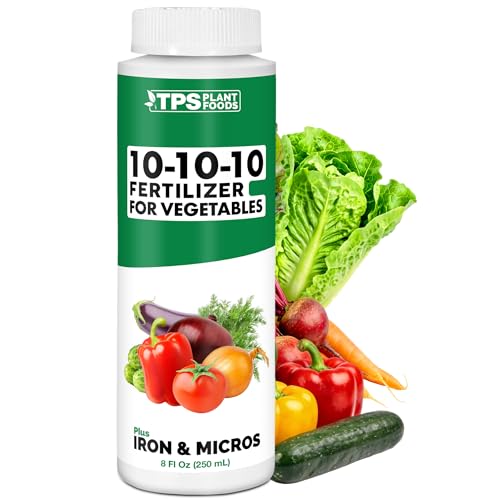
- Brand: TPS NUTRIENTS
- Format: Liquid, 8 oz
- Key Features:
- Balanced N-P-K with iron and micronutrients
- Supports roots, foliage, and yield
- Suitable for garden beds, raised planters, and containers
Best for: A versatile option for varied vegetables and mixed plantings. Limitation: 8 oz bottle may be best for smaller gardens or frequent reapplications.
Miracle-Gro LiquaFeed Tomato, Fruits & Vegetables
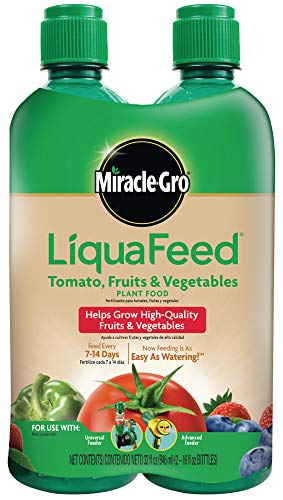
- Brand: Miracle-Gro
- Format: Liquid, 16 oz
- Key Features:
- Targeted feeding for tomatoes, fruits, and vegetables
- Easy watering-style application
- Suitable for both in-ground and container plants
Best for: Gardeners prioritizing simple, on-the-fly feeding for fruiting crops. Limitation: smaller bottle size may require more frequent use in larger plots.
FoxFarm Grow Big Liquid Plant Food
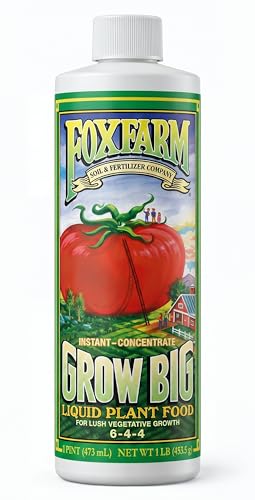
- Brand: FoxFarm
- Format: Liquid, 1 Pint
- Key Features:
- Supports lush vegetative growth and strong structure
- Fast nutrient uptake for quick results
- Suitable for roses, tomatoes, and vegetables
Best for: Early-season growth and vigorous vegetative development. Limitation: geared toward growth rather than long-term balanced nutrition; follow with a bloom-focused or complete feed later in the season.
Buying Guide
What should you look for in a liquid fertilizer for vegetables?
- Balance: Choose formulas that match your plant stage—growth, fruiting, or general maintenance.
- Ease of use: Watering-style applications reduce measurement errors and save time.
- Organic vs synthetic: Organic options tend to be gentler and slower to release; synthetic blends can deliver rapid results, but may require closer monitoring.
- Container suitability: If you grow in containers, ensure the nutrient solution is appropriate for limited-soil environments.
- Micronutrients: Look for iron, zinc, manganese, and other trace nutrients that support steady leaf color and resilience.
How to apply liquid fertilizers effectively
- Always follow label directions for dilution and frequency.
- Water thoroughly after applying concentrated mixes to prevent root burn.
- Start with a lower dose in new plantings and increase gradually after observing response.
- Rotate between products or tailor selection to plant groups (greens, root vegetables, fruiting crops).
Organic vs. non-organic considerations
- Organic blends prioritize plant-based or natural ingredients and may align with pesticide-free gardening goals.
- Non-organic or synthetic blends often deliver quick results but require careful dosing to avoid salt buildup in soil.
- Soil testing can help determine whether you need more nitrogen, phosphorus, or potassium to balance your garden’s needs.
When to use a bloom-boosting product
- Choose bloom-boosting formulations when fruit set or flowering is a priority, especially in fruiting crops and ornamentals.
- Avoid relying solely on bloom boosters for leaf crops or greens, where balanced nutrition supports overall growth.
FAQ
- What is the best liquid fertilizer for beginner vegetable gardeners?
An organic or balanced 10-10-10 style formula provides straightforward feeding suitable for many vegetables and containers.
- Can I use the same fertilizer for all my vegetables?
Yes, for simplicity, but consider adjusting by crop type. Fruiting plants may benefit from bloom-focused formulas later in the season.
- How often should I feed my vegetables with liquid fertilizer?
Typically every 1-2 weeks during active growth, following label directions and observing plant response.
- Is organic always better for vegetable gardens?
Organic options support sustainable practices and often reduce risk of salt buildup, but may work more slowly than synthetic blends.
- Should I water after applying liquid fertilizer?
Yes, watering after application helps distribute nutrients evenly and reduces the chance of root burn.
- Can liquid fertilizer be used in both containers and in-ground plots?
Yes, most liquid fertilizers are formulated for both containers and soil in-ground gardens; always verify label directions for specific use.