Wide variety of liquid fertilizers can boost tomato yields and fruit quality. This guide highlights five top options, balancing organics, convenience, and performance. Each product section explains what makes it effective for tomato and vegetable growth, usage tips, and key considerations for choosing the right formula for your garden.
| Product | Brand | Type | Ideal For |
|---|---|---|---|
| True Organic Liquid Tomato & Vegetable Food | True Organic | Organic Liquid Fertilizer | In-ground, containers, indoors & outdoors |
| Miracle-Gro Water Soluble Tomato Plant Food | Miracle-Gro | Water-soluble Liquid Fertilizer | Tomatoes & vegetables, quick feeding |
| Espoma Organic Tomato Plant Food | Espoma | Organic Liquid Fertilizer | All types of tomatoes & vegetables |
| Miracle-Gro LiquaFeed Tomato, Fruits & Vegetables | Miracle-Gro | Liquid Plant Food (LiquaFeed) | In-ground & container plants |
| Dr. Earth Home Grown Tomato, Vegetable & Herb Liquid Fertilizer | Dr. Earth | Liquid Fertilizer Concentrate | Tomatoes, vegetables, herbs (concentrate) |
Note: The products listed above are chosen for strong tomato performance, broad compatibility with common gardening setups, and clear nutrient formulations. Always follow label directions for dilution and application timing to protect plant health and soil biology.
True Organic Liquid Tomato & Vegetable Food

Brand: True Organic
Features: Boosts Organic Yields: True Liquid Tomato & Vegetable Food promotes superior harvests of fruits and vegetables with a proven nutrient-rich formula. Innovative Soy Protein Hydrolysate: Contains an exclusive blend of ingredients, including Soy Protein Hydrolysate, to enhance plant and soil health naturally. Versatile Application: Ideal for in-ground and container plants, indoors and outdoors, providing balanced nourishment for thriving gardens.
Usage considerations: Suitable for organic gardens and containers. Apply according to the package directions to maximize yield while supporting soil biology. Best results are achieved with regular applications during the growing season.
Miracle-Gro Water Soluble Tomato Plant Food
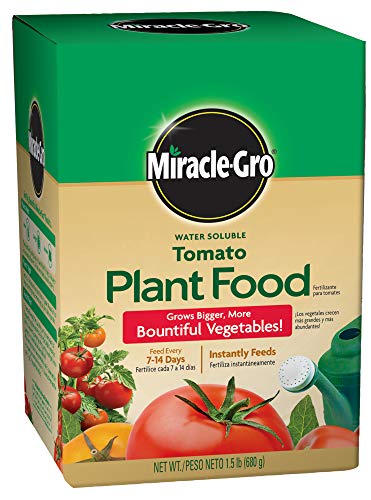
Brand: Miracle-Gro
Features: Instantly feeds to grow bigger, more bountiful vegetables versus unfed plants, Feed every 1-2 weeks, Great for tomatoes and vegetables
Usage considerations: Water-soluble formula enables quick uptake; ideal for steady feeding schedules. Ensure correct dilution and avoid over-fertilizing, which can affect fruit quality and leaf burn.
Espoma Organic Tomato Plant Food

Brand: Espoma
Features: ORGANIC PLANT FOOD: This liquid fertilizer for tomatoes & vegetables provides nutrients to ensure superior results and is safe to use around kids and pets, EASY: Simply add ½ cap of Tomato! plant food liquid per quart of water and water your plants. Thoroughly drench the soil of the plant. For best results use every 2-4 weeks, CONTAINS: Essential plant nutrients to help all tomatoes and vegetables thrive. See label for all ingredients
Usage considerations: Organic formula supports soil biology, with clear dosing guidelines. Regular applications help maintain steady growth through flowering and fruiting stages while remaining user-friendly for home gardeners.
Miracle-Gro LiquaFeed Tomato, Fruits & Vegetables
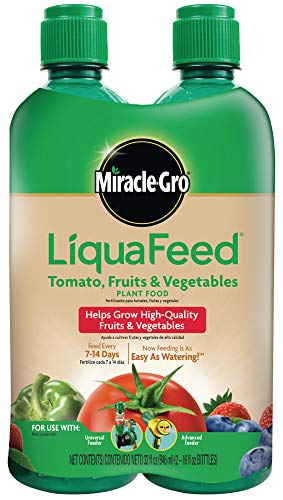
Brand: Miracle-Gro
Features: LiquaFeed Tomato, Fruits and Vegetables Plant Food helps grow high-quality fruits and vegetables, With this plant food for outdoor plants, feeding is as easy as watering!, Use this plant food with container or in-ground vegetable and fruit plants, including peppers, strawberries, and blueberries
Usage considerations: Designed for convenience, delivering consistent nutrition through watering routines. Monitor plant response and adjust frequency to avoid over-feeding on heavy feeding days or during intense heat.
Dr. Earth Home Grown Tomato, Vegetable & Herb Liquid Fertilizer
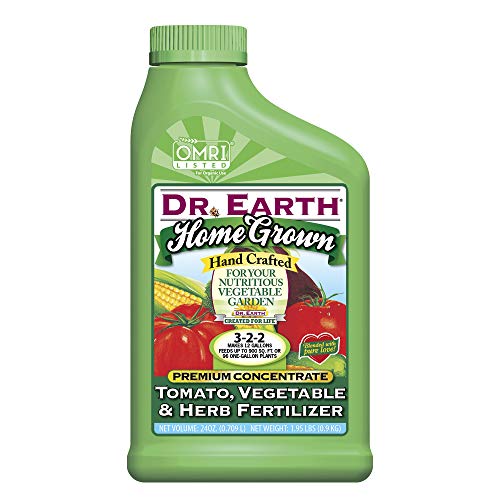
Brand: Dr. Earth
Features: 3-2-2 NPK, 24oz Concentrate Bottle, 100% Sustainable Fertilizer, created with recycled grocery produce, fish & meat, Makes 12 gallons, Makes 64 gallons, Makes 160 gallons, Makes 320 gallons
Usage considerations: Concentrate formula can stretch a long way, enabling cost-effective feeding for multiple cycles. Consider dilution for sensitive varieties or young transplants and adjust application intervals according to growth stage and weather.
Buying Guide: Key Purchase Considerations For Tomato Liquid Fertilizers
- Organic vs. synthetic: Organic blends support soil biology and may appeal to organic gardeners, while synthetic or concentrated mixes offer rapid, visible results and ease of use. Choose based on gardening goals and regulatory preferences.
- NPK ratio: Tomato plants benefit from balanced nitrogen, phosphorus, and potassium. Look for formulations that supply steady nitrogen for foliage early, with adequate phosphorus and potassium for flowering and fruiting.
- Seasonal timing and frequency: Most tomato fertilizers require regular applications—every 1-4 weeks depending on the product and growth stage. Plan a feeding schedule aligned with transplanting, flowering, and fruit set.
- Container vs. in-ground: Container plants often need more frequent feeding due to limited soil volume. Choose water-soluble or ready-to-use formulas for quick uptake in pots.
- Concentration and dilution: Concentrated liquids stretch further but require precise dilution. Follow label directions to avoid root burn and nutrient lockout.
- Safety and compatibility: If you have pets or kids, opt for organic or pet-safe formulas. Ensure compatibility with other garden inputs like compost teas or micronutrient sprays to avoid nutrient imbalances.
- Application method: Some products are drip-ready or soil-drench ready, while others are mixed with water. Select a method that fits your irrigation setup and daily routine.
- Shelf life and storage: Store unopened bottles in a cool, shaded location. Some organic products may have shorter shelf life; check the label for storage guidance.