Leaf litter is a natural, functional substrate for terraria, vivariums, and bioactive setups. It helps maintain humidity, provides hiding places, and supports a thriving microfauna population that aids in cleanup and plant health. The following selections are popular among hobbyists for reptile, frog, and isopod habitats. Each product below is evaluated for practicality, ease of use, and how well it mimics natural forest floors in American terrarium environments.
Summary of chosen products
| Product | Brand | Key Benefit | Typical Use |
|---|---|---|---|
| MAQIHAN 4.9 OZ Dry Oak Leaf Litter | MAQIHAN | Natural, untreated oak leaves; supports microfauna | Terrarium bedding and microfauna habitat |
| SunGrow Mini Catappa Leaf Litter | SunGrow | Small leaves; maintains humidity; good for frogs | Terrariums for frogs, isopods; hides for dart tadpoles |
| 1 Gallon Live Oak Leaves Organic Leaf Litter | Generic | Heat-treated, chemical-free; versatile for bioactive setups | Reptile, frog, isopod habitats |
| SCOTTY’S BUGS Mulched Leaf Litter | SCOTTY’S BUGS | Sterilized, mulched; supports burrowing and digestion | Terrariums with reptiles, isopods, snails |
| 1 Gallon Magnolia Leaves Organic Leaf Litter | Generic | All-natural, dried magnolia leaves; forest-floor look | Terrariums, vivariums, isopods, frogs |
MAQIHAN Dry Oak Leaf Litter
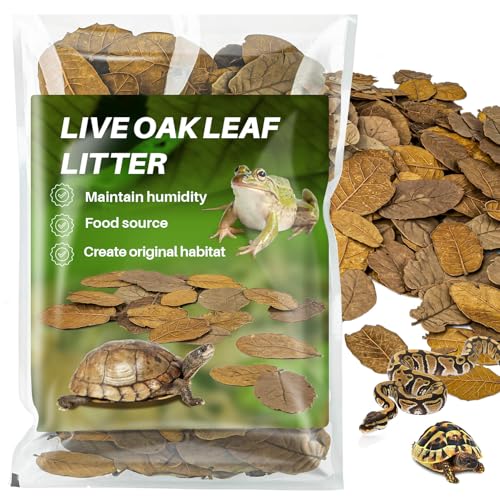
MAQIHAN Dry Oak Leaf Litter is packaged as a dry, untreated leaf substrate. The product uses dried oak leaves without added treatments, making it suitable for reptiles and amphibians needing a natural habitat. It helps maintain humidity and provides hiding and climbing opportunities, which support a realistic terrarium environment. The oak leaves also serve as a food source and habitat for microfauna such as isopods, offering a sustainable ecosystem within the enclosure. For breeders and keepers seeking a forest-floor feel, this leaf litter is a straightforward option that mimics a natural lining for many terrarium species.
Key attributes include ease of use, natural appearance, and a focus on microfauna support. The lack of chemical treatments reduces potential irritation for sensitive species, while the organic composition enhances the micro-ecosystem. This product is suitable for bioactive setups and for hobbyists looking to establish a stable humidity profile with a natural substrate that organisms can explore and feed upon as it decomposes.
SunGrow Mini Catappa Leaf Litter

SunGrow Mini Catappa Leaf Litter comes in a pack of 100 dried leaves, designed to enrich humidity and create a natural hunting ground for terrarium inhabitants. The small size is ideal for dart frogs, isopods, and similar species. As the leaves decompose, they gradually release elements beneficial for microfauna development and plant life, helping maintain a balanced ecosystem. This product aims to provide a visible barrier, sensory cues, and a stable moisture level, making it a favored choice for hobbyists who prioritize habitat realism and microfauna support.
Highlights include its large surface area for gradual breakdown, compatibility with a variety of terrarium inhabitants, and the potential to influence pH and floral growth indirectly through decomposition. The leaves also act as a feed source for detritivores, contributing to a self-sustaining habitat. For terrarium builders seeking rapid habitat enrichment with a manageable size, these mini catappa leaves are a practical option.
1 Gallon Live Oak Leaves Organic Leaf Litter

This 1-gallon supply offers hand-gathered organic oak leaves that are heat-treated and chemical-free. The product serves as a natural substrate that mimics forest floors for reptiles, frogs, isopods, and other terrarium inhabitants. The leaves provide hiding spots, humidity maintenance, and support a cleanup crew, contributing to a healthier bioactive environment. The generous quantity is suitable for larger setups or multiple tanks, allowing for ongoing maintenance and habitat enhancement over time.
Key points include versatility across species, natural aesthetics, and a focus on creating a realistic, damp microhabitat. The heat-treated leaves help ensure a clean substrate while preserving the beneficial properties of oak leaves for moisture retention and microfauna support. This option is well-suited for hobbyists building a new bioactive terrarium or expanding an established collection.
Live Oak Leaf Litter Hand Packaged Terrarium Bedding

Hand-packaged live oak leaf litter offers pesticide-free, natural leaf litter ideal for isopods and dart frogs, among others. The product emphasizes a natural, hand-picked selection that supports bioactive terrariums and habitats. By providing shelter and a moist substrate, it contributes to a favorable microenvironment where detritivores thrive, supporting plant growth and a balanced ecosystem. The hand-packaged approach appeals to hobbyists who value control over leaf size and quality, ensuring suitability for sensitive species and varied terrarium designs.
Notable benefits include natural aesthetics, pest-free assurance, and reliable moisture retention. The leaves are suitable for creating a forest-floor look and for fostering microfauna populations, which can aid in maintaining humidity and nutrient cycling within the enclosure.
JOR 120 Pack Dwarf Frog Leaf Litter

JOR provides a 120-pack of dwarf frog-appropriate mini Indian almond leaves, sized for microfauna habitats and bioactive terrariums. These leaves are ideal for feeding detritivores, enriching the substrate, and offering microhabitats for frogs that thrive on leaf litter. The leaves measure around 1.5-2.5 inches and are described as healthy, sustainably sourced options that aid in creating habitat diversity. They support soil nourishment and can help mimic native frog environments by offering crevices and feeding opportunities for microfauna.
With a focus on frog-friendly dimensions and natural coloration, these leaves help establish a realistic habitat while promoting a healthy ecosystem. They also serve as a food source for certain frog species and contribute to the overall ecological balance of the terrarium.
SCOTTY’S BUGS Mulched Leaf Litter

SCOTTY’S BUGS Mulched Leaf Litter is sterilized and mulched for enhanced usability in terrariums. The mixture includes elm, maple, and oak leaves, offering a varied leaf composition that supports burrowing and digestion. This product is designed to be a high-quality substrate that creates forest-like visual barriers and hiding spots while maintaining humidity. Its mulched form helps packs settle more evenly and provides easier access for detritivores, snails, and isopods to explore and feed.
Key advantages include a sterilized, natural substrate that reduces contaminants, an assortment of leaf types for ecological variety, and a texture that improves substrate packing and accessibility for tank inhabitants. This option is particularly suitable for terrarium setups where burrowing and feeding behaviors are important to the ecosystem.
1 Gallon Magnolia Leaves Organic Leaf Litter

This product offers a gallon of magnolia leaves, dried and heat-treated for reptile terrariums and vivariums. Magnolia leaves provide natural substrate with a forest-floor look, suitable for isopods, frogs, and other inhabitants. The leaves create a natural aesthetic, support humidity, and serve as a food source for detritivores as they break down. The all-natural composition makes it a versatile choice for a range of bioactive setups, enabling keepers to design a lush, natural habitat with ease.
Considerations include leaf size, decomposition rate, and compatibility with your species. Magnolia leaves are generally slower to decompose than some other leaf types, which can help maintain substrate stability in longer-term setups. This option is ideal for hobbyists seeking a natural, long-lasting leaf litter that enhances both habitat realism and ecological balance.
Buying Guide: Key Purchase Considerations And Comparisons
- Leaf type and size: Choose leaf types (oak, catappa, magnolia, maple, elm) based on your tank inhabitants and desired humidity. Smaller leaves like Catappa are good for dart frogs and isopods, while larger oak leaves create a broader forest floor look.
- Decomposition rate: Faster-decomposing leaf litter enriches microfauna quickly but may require more frequent replenishment. Slower-decomposing leaves provide long-term structure but slower nutrient cycling.
- Purity and treatment: Prefer chemical-free, pesticide-free leaves for sensitive species. Heat-treated or sterilized options reduce contaminants but may alter decomposition dynamics slightly.
- Humidity and microfauna support: Substrates that maintain higher humidity and support isopod, springtail, and mite populations help sustain a balanced bioactive setup.
- Size and quantity: For larger tanks, consider gallon-scale options or bulk packs to minimize maintenance and ensure consistent coverage.
- Habitat type compatibility: If housing frogs or carnivorous isopods, prioritize leaves that provide hiding spots and feeding surfaces. For plant-heavy vivariums, choose leaves that contribute to soil health and moisture retention.
- Substrate texture: Mulched leaf litter packs offer denser texture for burrowing, while larger loose leaves create distinct layers and microhabitats.
- Cost and availability: Compare per-leaf cost and monthly replacement needs. Bulk packs may reduce per-unit costs but require more storage.
- Safety and ethics: Source leaves from pesticide-free sources and avoid leaves from treated wood or polluted environments to prevent toxins in the terrarium.
- Maintenance planning: Plan for regular checks on humidity, substrate depth, and decomposition level to maintain a stable, healthy habitat.
In sum, the best leaf litter for terrarium setups combines natural aesthetics with ecological support for microfauna, while matching the needs of the tank’s inhabitants. The listed products offer a range of leaf types, sizes, and preparation levels to accommodate different terrarium designs—from Frogs and Isopods to Reptiles and Snakes. Evaluate your tank’s humidity needs, species-specific preferences, and maintenance routine to select the most suitable leaf litter for your enclosure.