Answering the top buyer question: lava rock for terrariums improves drainage, airflow, and moisture balance, helping succulents, cacti, bonsai and terrarium ecosystems thrive. This guide highlights five reliable lava rock options, explains who each is best for, and compares core benefits like particle size, porosity, and handling. Ideal for terrarium hobbyists seeking long-lasting, natural top-dressing and substrate amendments.
Summary table of selected products:
| Product | Best For | Key Benefit | Potential Limitation |
|---|---|---|---|
| CARURBODY Black Lava Rocks | Succulents, cacti, bonsai | Natural, porous, good drainage | Small bag size; resealability noted |
| Exo Terra BioDrain Substrate | Tropical terrariums, paludariums | Water drainage system, natural substrate | Designed for terrarium ecosystems |
| Pulovin Lava Rocks | Orchids, succulents, bonsai | Purity, moisture retention control | 1/5 inch size; check compatibility with plants |
| FANTIAN 2 Lbs Lava Rocks | Succulent and cactus setups | Porous rock supports drainage and moisture balance | Dust residue possible; rinse before use |
| TOYPOPOR Mix Horticultural Lava Pebbles | Drought-tolerant succulents | Well-draining gritty mix for aeration | Mix contains diverse particle sizes |
CARURBODY Black Lava Rocks for Plants

The CARURBODY lava rocks are 100% natural volcanic rock, free from dyes or chemicals. They provide ideal drainage for pots without drainage holes by sitting at the bottom to prevent root drowning. The rocks are porous, absorbing excess water and slowly releasing it back to plant roots. This makes them well suited for terrarium bases where precise moisture control matters.
Best for: succulent hobbyists, cacti, bonsai and other drought-tolerant plants that require steady drainage and moisture buffering. Choose this if you want a simple, natural top dressing with reliable porosity.
Caution: packaging notes indicate the bag is 2.8 lb; open and reseal after portioning to prevent moisture exposure. Some users may prefer larger particle ranges for bigger terrarium setups.
Exo Terra BioDrain Terrarium Substrate

Exo Terra BioDrain is a natural, non-decomposable substrate designed to create an integrated water drainage system for tropical terrariums and paludariums. It supports terrarium humidity needs while preventing waterlogged roots. This option is especially helpful when you want both drainage and natural substrate characteristics in one package.
Best for: terrarium setups that demand a built-in drainage system and tropical plant species. Better for those who want a ready-to-use substrate that aids moisture management without adding synthetic amendments.
Caution: while effective for drainage, it is a substrate specific to Exo Terra ecosystems; ensure compatibility with your terrarium inhabitants and plant types before mixing with other substrates.
Pulovin 2.5lbs Lava Rocks

Pulovin lava rocks measure about 1/5 inch, making them ideal for succulent, cactus, orchid, bonsai, and other small- to mid-sized terrarium components. The porous rock supports drainage, improves air circulation, and helps roots stay healthy by preventing saturation. The product emphasizes natural composition without additives.
Best for: terrarium enthusiasts who want consistent, small lava rock sizing for layered plant setups and eye-catching top dressing. Better for mixed succulent or bonsai displays where precise drainage is important.
Caution: the 1/5 inch size is small enough to migrate in some substrates; consider mixing ratios to keep rock confinement stable within deeper pots or planters.
FANTIAN 5 lbs Lava Rocks

FANTIAN offers larger supply of lava rocks in the 5-8 mm range, crushed from larger volcanic pieces. They highlight potential dust and residue in packaging and advise rinsing before use to avoid mineral deposits. The rocks’ porosity provides robust drainage while maintaining soil moisture for plant roots.
Best for: terrarium and garden landscaping setups that require a steady supply of volcanic rock with durable drainage properties. Choose this if you want a mix of small lava rocks that are easy to spread as top dressing or substrate layer.
Caution: washing is recommended before use to remove mineral residues and dust from pores. Some users report variation in weight due to measurement modes on household scales, so verify volume if precise dosing matters.
3lb Lava Rocks for Plants
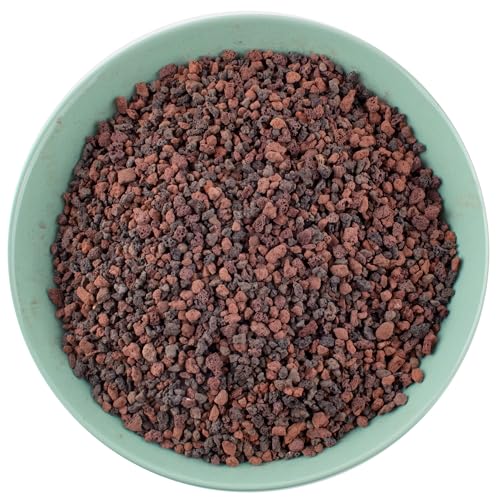
This CJGQ lava rock mix weighs 3 lb and includes a blend of black and red lava rocks at about 1/5 inch. It offers good drainage with numerous air pores, absorbing excess water and slowly releasing it to roots. The mix is designed for a wide range of uses, including terrariums, bonsai, and landscape decor.
Best for: terrarium designers seeking a visually appealing mix that supports drainage while adding color variation. Better for mixed plant displays where color contrast enhances aesthetics.
Caution: ensure a proper rinse if there is surface dust from packaging, and confirm sizing meets your terrarium depth and layer needs to prevent substrate migration.
KINGRUI Natural Volcanic Lava Rock
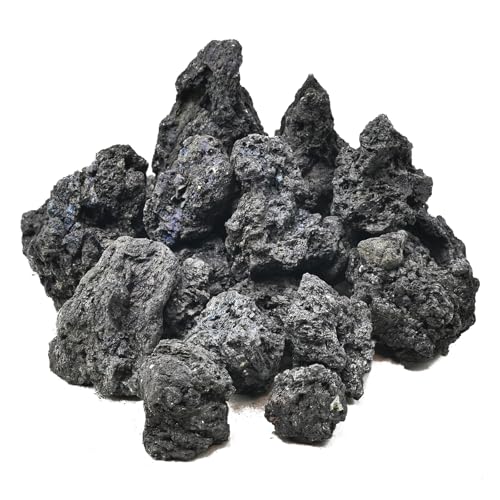
KingRui lava rocks are 1–2.5 inches in size, ideal for miniature landscapes, mossariums, terrariums, and nano aquascaping. They are described as heat-resistant and suitable for fire pit use while providing a rugged, natural appearance for decorative terrarium features.
Best for: micro landscapes and fairy garden setups where larger decorative stones are desired. Better for display-focused terrariums and outdoor-inspired arrangements.
Caution: larger pieces may dominate small vertical terrariums; use as focal accents or combine with smaller gravel for a balanced look.
Buying Guide: Lava Rock For Terrariums
- Particle size matters: Smaller grains (1/5 inch) drain well while staying within soil, larger pieces provide architecture but can reduce airflow if used exclusively.
- Porosity and moisture management: Highly porous lava rocks store minimal water but offer excellent drainage and aeration, reducing root rot risk.
- Purity and additives: Look for 100% natural volcanic rock with no dyes or fillers to avoid chemical leaching into terrarium ecosystems.
- Size compatibility with plants: Choose particle sizing that matches plant root systems (succulents prefer finer mixes; larger pieces suit bonsai or decorative layers).
- Usage patterns: Use rocks at the bottom for drainage, on top as decorative top dressing, or mixed into soil to improve texture and aeration.
- Care and maintenance: Rinse rocks to remove dust before use; periodic replacement improves drainage performance if cores become compacted over time.
- Combination strategies: For complex terrariums, combine lava rocks with soil amendments or other inert media to balance moisture and aesthetics.
Frequently Asked Questions
- What is lava rock best used for in terrariums?
– It improves drainage, aeration, and moisture regulation, helping to prevent root rot in succulents, cacti, and bonsai. - Do lava rocks affect soil pH?
– Lava rocks are generally neutral to slightly acidic; they can influence soil porosity and drainage without drastically changing pH. - Should lava rocks be rinsed before use?
– Yes, rinsing removes dust and mineral residues that can cloud water and affect plants. - Can lava rocks be used with all terrarium plants?
– They are ideal for drought-tolerant species; mix with other substrates for plants requiring different moisture levels. - Is there a best size for terrarium rock?
– A mix of sizes often works best, providing both surface drainage and visual texture; smaller sizes fit tight terrariums, larger pieces serve as focal accents. - How often should I replace lava rock in a terrarium?
– Replacing or refreshing the top layer every season or two can help maintain optimal drainage and aesthetics.