Answering your search for effective, natural garden helpers, this guide highlights the best ladybug options for home gardens, greenhouses, and small farms. These live insects act as beneficial predators against aphids, mites, whiteflies, and other common pests. The top picks below are suitable for casual hobby gardeners and more serious growers alike, offering guaranteed live delivery and practical release guidance.
| Product | Best For | Why It Stands Out |
|---|---|---|
| 3,000 Live Ladybugs (2 x 1500) | Larger pest problems, larger spaces | High release volume for quick population establishment; includes educational sheet with release tips and FAQs |
| Nature’s Good Guys 1,500 Live Ladybugs | Medium gardens, balcony pots, starter releases | Good balance of size and manageability; stores briefly in fridge |
| Clark&Co Organic 1,500 Live Ladybugs | Family-friendly gardens, classroom or party projects | Pre-fed beneficials with kid-friendly messaging; versatile for indoor/outdoor use |
| 1,500 Live Ladybugs – Hippodamia Convergens | Any outdoor space needing steady pest control | Standard, reliable predator; good for ongoing garden balance |
| 1,500 Live Ladybugs (Hippodamia Convergens) | General garden use and greenhouse environments | Clear guidance for release and storage; adaptable to various spaces |
3,000 Live Ladybugs – 2 x 1500

Best for larger infestation scenarios or bigger plots, this option provides a heavy initial population to accelerate pest control. The product includes a Ladybug educational sheet with Release Tips and FAQs, useful for first-time releases. The ladybugs feed on aphids, moth eggs, mites, scales, thrips, leaf hoppers, mealybugs, and other slow-moving insects, making it a strong choice for diverse garden challenges. Suitable for both indoor and outdoor use when a rapid, broad release is desired. Caution: ensure a suitable food source and water supply after release to support establishment.
Natures Good Guys 1,500 Live Ladybugs

Choose this option for medium-sized gardens or container setups where a manageable release is preferred. It includes a Ladybug educational sheet with Release Tips, Release Rates, and FAQ information. Ladybugs are general predators that feed on many slow-moving pests and can be stored in a refrigerator for up to two weeks, which helps with staged releases. Best for gardeners seeking a balanced, steady pest control approach rather than a large initial release. Limitation: fridge storage requires careful temperature control to maintain viability.
Clark&Co Organic 1,500 Live Ladybugs

Preferred for family-friendly settings and educational contexts, this option emphasizes kid-friendly messaging and ready-to-use release guidance. Ladybugs feed on a broad range of pests such as aphids, moth eggs, whiteflies, and more. The ability to store beetles at 40°F to 60°F for 1–3 weeks aids in planning releases around busy schedules. Best for classrooms, birthday parties, or school projects that highlight ecology. Caution: longer storage needs consistent temperature, or viability may decline.
1,500 Live Ladybugs – Hippodamia Convergens

This pick is versatile for any outdoor space, from small home gardens to larger farms. It emphasizes natural garden balance by predating a variety of slow-moving pests. The listing notes the same pest targets as other ladybug products, making it a reliable generalist choice. Best for ongoing pest management with simple release steps. Limitation: larger outdoor spaces may require multiple releases to sustain control over time.
1,500 Live Ladybugs (Hippodamia Convergens)
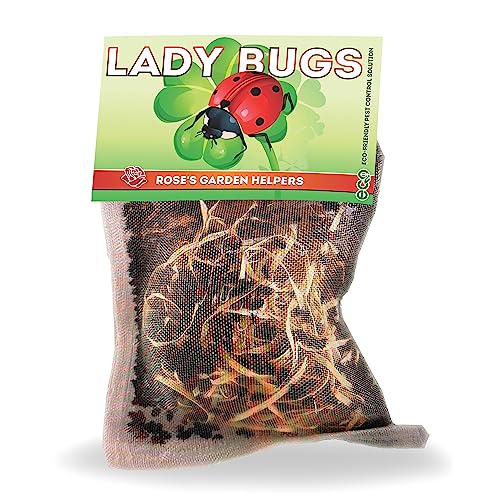
Best for general garden use and greenhouse environments, this bundle emphasizes adaptability and broad pest coverage. The product description reiterates natural predator behavior against aphids, moth eggs, mites, and other common pests. It’s a solid choice for steady, ongoing pest suppression and is suitable for various outdoor settings. Caution: ensure sufficient moisture and food sources after release to encourage immediate establishment.
Live Ladybugs for Gardens – 300 Count

Best for small-space or classroom use, this option provides a compact, easy-to-manage release size with similar pest profiles. It includes educational elements and notes that ladybugs eat a variety of pests, making it useful for teaching kids about ecology while supporting plant health. Choose this if you want a simple, low-commitment introduction to ladybug releases. Limitation: smaller release size may take longer to establish in larger gardens.
Buying Guide: Key Considerations For Ladybugs In The Garden
- Garden size and pest pressure: Larger spaces or heavy aphid infestations benefit from higher-volume releases (e.g., 3,000 total). Smaller spaces can start with 1,500 or fewer.
- Storage and release timing: Some products offer refrigerator storage for staged releases. Plan your releases around weather and plant growth cycles to maximize impact.
- Species and behavior: Hippodamia convergens is a common generalist predator for a broad pest spectrum. Confirm pest targets align with your garden’s challenges.
- Indoor vs outdoor needs: If you’re releasing indoors (greenhouses or classrooms), ensure the product is suitable for indoor use and safe for the environment.
- Education and guidance: Educational sheets and clear release tips help first-time users achieve better establishment success.
- Storage requirements after release: Provide water sources or moisture for ladybugs to ensure they stay and feed after release.
Frequently Asked Questions
- Do ladybugs really help my garden? Yes. They are natural predators of many garden pests and can reduce pest populations when released appropriately.
- How many ladybugs should I release? It depends on garden size and pest pressure. Start with 1,000–2,000 for a medium space and adjust as needed.
- Can they be released indoors? Some products are suitable for indoor use, especially in greenhouses or classrooms with careful monitoring.
- How should I store ladybugs before release? Many can be refrigerated for a limited period; follow the product’s storage guidelines to maintain viability.
- What should I do after releasing ladybugs? Provide a water source and food (pests or supplementary feeding if recommended) to encourage establishment.
- Are there any safety or environmental concerns? Ladybugs are generally considered beneficial and low-risk when released as directed. Always follow manufacturer guidelines.