Answer: Zone 4 gardeners can successfully grow striking Japanese maples by choosing cold-hardy varieties that tolerate extreme winter conditions. This guide highlights five top options and explains who each is best for, along with practical buying tips. Whether you want a large focal tree, a compact accent, a bonsai-style specimen, or a multi-tree starter, these selections help you balance hardiness, color, and space.
Overview at a glance: the following table compares the five recommended maples on key buying points to help you decide quickly.
| Product | Best For | Size/Format | Notes |
|---|---|---|---|
| Korean Maple (Acer Pseudosieboldianum) | Very cold regions, striking autumn color | Live plant, 2 years | Hardy to -40°F, zone 3-7 |
| Japanese Red Maple, Compact | Smaller gardens, focal color | 3 gal nursery pot | Compact habit; ships with some state restrictions |
| 3-Pack Japanese Red Maple Seedlings | Layered landscape, fast fill | Bare-root seedlings | Dormant shipping, 12-18″ tall per tree |
| Bloodgood Japanese Maple Tree | Classic red foliage for impact | 3-4 ft or 4-5 ft options | Popular cultivar; shipping restrictions vary |
| Pixie Dwarf Japanese Maple | Dwarf specimen or container display | Live tree, dwarf form | Deep red foliage, dense branching |
Korean Maple – Tolerates Extreme Cold
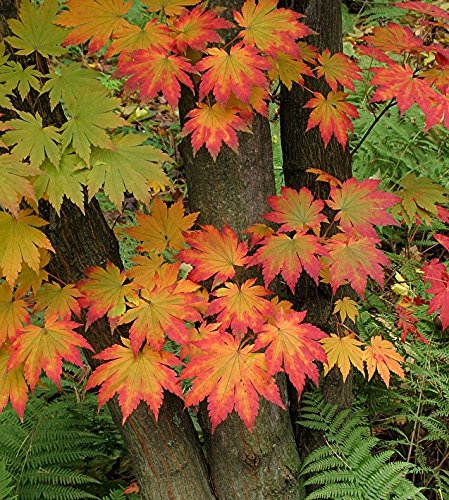
Selected for Zone 4 gardeners who want a maple with exceptional cold tolerance. This Acer species is hardy to –40°F and thrives in zones 3-7, making it a robust choice for northern yards. Its strong cold tolerance is the primary draw, followed by vivid fall color potential.
Who it’s best for: Homeowners in colder microclimates who need a dependable specimen that remains resilient through severe winters. This variety is suitable for northern garden borders or woodland-style plantings where extreme cold is common.
Why chosen: The standout feature is its extreme cold hardiness, expanding options for zone 4 landscapes beyond typical Japanese maples. It offers a dramatic autumn palette and adaptable placement in larger beds or along borders.
Limitations: As a non-native Acer, it might require careful soil preparation and regular moisture in summer heat. Availability can vary by season, and this plant is not a dwarf variety, so plan space accordingly.
Japanese Red Maple, Compact

This compact cultivar suits smaller gardens or container plantings while delivering classic red foliage. It has a dense, spreading habit suitable for accenting entryways or patios and provides year-round visual interest with spring greens giving way to deep reds in fall.
Who it’s best for: Gardeners with limited space who still want a striking, color-rich focal tree without overwhelming a small yard.
Why chosen: Its compact size makes it ideal for urban yards, balconies, and curated borders, while offering the traditional red palette many maple lovers seek.
Limitations: Some shipments are restricted by state agricultural laws; ensure correct destination before ordering to avoid refunds or delays.
3-Pack Japanese Red Maple Seedlings

This bundle offers three dormant 12-18 inch seedlings, ideal for creating a layered landscape quickly. Dormant shipping helps protect root systems, and transplanting can be more forgiving when establishing a new planting bed.
Who it’s best for: Landowners looking to establish multiple maple specimens at once or create a layered, color-rich landscape from the ground up.
Why chosen: A cost-efficient way to achieve mass color and texture, with the potential for staggered growth to maximize seasonal interest.
Limitations: Dormant shipments require careful handling for successful planting in early spring or fall; ensure your planting window aligns with local frost dates.
Green Japanese Maple Bonsai Tree

This bonsai starter tree is bred for training, with a flexible structure and fine branching that supports shaping and long-term bonsai development. It arrives as a live bare root seedling, ready for potting or bonsai containers.
Who it’s best for: Bonsai enthusiasts or gardeners who enjoy shaping trees and cultivating a sculptural centerpiece with year-round interest.
Why chosen: It pairs traditional maple beauty with the art of bonsai, offering a unique display option for patios, rooms, or garden corners.
Limitations: As a starter bonsai, it requires regular pruning, wiring, and ongoing care to achieve stable form and growth.
Bloodgood Japanese Maple Tree (3-4 ft)

The Bloodgood cultivar delivers a bold red canopy with strong appeal for larger landscape statements. It’s a widely grown variety noted for standout color and reliable growth in suitable climates.
Who it’s best for: Landscapes that call for a dramatic focal tree with high visual impact, especially in entryways or feature borders.
Why chosen: Its classic red foliage provides immediate seasonal drama and pairs well with evergreen plantings for contrast.
Limitations: Size and growth expectations mean this option is better suited to spaces with room to mature; check local shipping restrictions in your area.
Buying Guide: Key Considerations For Zone 4 Maples
- Cold hardiness and microclimates: Zone 4 varies by location. Look for statements such as “hardy to –40°F” and confirm mature size fits your space.
- Size and growth habit: Decide between dwarf, compact, and standard forms based on available planting space and whether you want ground cover, accent, or canopy trees.
- Color seasonality: Most maples offer spring and fall color, with some cultivars showing deeper reds in autumn. Consider how color complements existing plantings.
- Shipping and availability: Some listings restrict shipping to certain states. Verify eligibility before purchasing to avoid order issues.
- Root and planting method: Bare-root or dormant shipments require timely planting and proper root care to establish successfully in the garden or container.
- Container vs. bare-root readiness: Bonsai and dwarf varieties may require ongoing training and pruning; plan for long-term maintenance if choosing these forms.
- Soil and sun needs: Maples generally prefer well-drained, fertile soil and partial shade to full sun depending on cultivar. Ensure site conditions match cultivar requirements.
Frequently Asked Questions
- Are Japanese maples hardy in Zone 4?
Yes, many cultivars are hardy to Zone 4 or colder. Look for varieties explicitly rated for extreme cold and choose appropriate placement in your yard to minimize winter damage.
- What is the best maple for small spaces in Zone 4?
Compact or dwarf cultivars, such as compact Japanese red maples or dwarf bonsai forms, are ideal for small gardens or container use.
- Can maples be grown in containers in Zone 4?
Yes, many maples tolerate container culture, but you must provide adequate winter protection and decide on a pot size that allows root growth while preventing freezing damage.
- Do all maples turn red in fall?
Many maples display red autumn foliage, but intensity varies by cultivar, sunlight, and soil conditions. Expect deeper color in optimal fall conditions.
- Do I need special soil for Zone 4 maples?
Well-drained soil with organic matter is beneficial. Some cultivars prefer slightly acidic soil; avoid waterlogged soils which can lead to root rot.
- When is the best time to plant in Zone 4?
Early spring or early fall typically offers ideal conditions for root establishment before extreme heat or deep freezes.