Roses attract pests like aphids, whiteflies, and spider mites, but a gentle, effective solution can protect blooms without harsh chemicals. Insecticidal soaps mix with water to coat soft-bodied pests and disrupt their cellular membranes, offering a horticulturally friendly option for home gardens. Below is a curated list of trusted, ready-to-use insecticidal soaps ideal for rose beds and potted roses alike. Each product is evaluated on ease of use, spectrum of pests, and suitability for organic gardening. Use as directed to maximize bloom quality and plant vigor.
| Product | Brand | Volume | Key Benefit |
|---|---|---|---|
| Garden Safe 32 oz Insecticidal Soap Ready-to-Use | Garden Safe | 32 oz | Ready-to-use spray; broad plant safety |
| Bonide Insecticidal Soap, 32 oz Ready-to-Use | Bonide | 32 oz | Direct-contact control for many pests |
| Safer 5118-6 Insect Killing Soap Concentrate | Safer | Concentrate | OMRI listed; versatile for multiple plant types |
| NATRIA Insecticidal Soap, Ready-to-Use Garden Bug Treatment | Natria | 24 oz | Easy, ready-to-use spray with broad pest coverage |
| Bonide Captain Jack’s Insecticidal Super Soap, 32 oz | Bonide | 32 oz | Two-way kill: contact and ingestion |
Each product below is evaluated for use on roses, with emphasis on safety for edible or ornamental gardens, ease of application, and effectiveness against common rose pests. Click the product headings to view more details on Amazon.
Garden Safe 32 oz Insecticidal Soap Ready-to-Use

The Garden Safe ready-to-use formula requires no mixing, making it ideal for quick treatments on roses with visible pests. It targets soft-bodied pests by contact, so thorough coverage of both the upper and lower leaf surfaces is essential. This product is positioned for organic gardening, suitable for indoor, outdoor, and greenhouse use on a range of plants, including ornamentals and edible crops. It can be applied up to the day of harvest when used on edible plants, increasing flexibility for home gardens. For roses, spray early in the season when punctures or honeydew are observed and repeat as needed to suppress populations.
Bonide Insecticidal Soap, 32 oz Ready-to-Use Spray
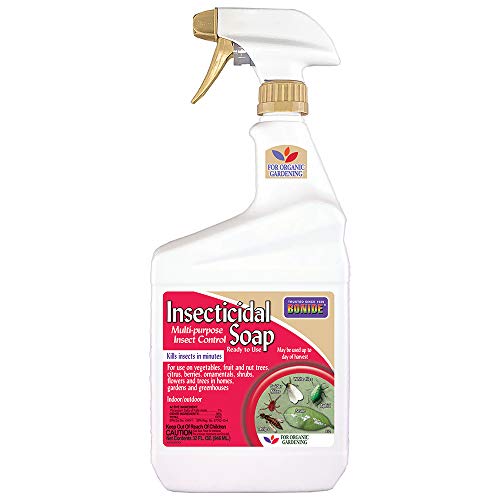
Bonide’s Insecticidal Soap provides broad-spectrum control for a variety of pests including aphids, mites, caterpillars, and whiteflies. It is designed for outdoor residential use in home gardens, and is suitable for roses among other ornamentals. The product works by direct contact and ingestion; insects must be sprayed directly, or pests feeding on leaf surfaces will die after exposure. It is particularly useful for roses with persistent aphid or mite pressure, offering a practical, ready-to-use option for weekend gardeners and seasoned rose enthusiasts alike.
Safer 5118-6 Insect Killing Soap Concentrate
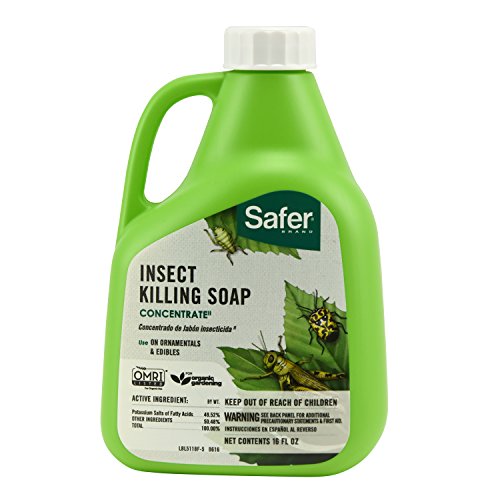
Safer’s insecticidal soap concentrate is OMRI-listed for organic use, expanding its appeal for gardeners who want to maintain rose health without synthetic inputs. It targets a wide range of soft-bodied pests—aphids, mealybugs, whiteflies, spider mites, and more—without aggressive residues. The concentrate form allows tailored dilution, which can be advantageous for larger rose beds or mixed borders. Apply at first sign of damage and again every 5–7 days while pests are present, stopping at harvest for edible varieties.
NATRIA Insecticidal Soap, Ready-to-Use Garden Bug Treatment

Natria’s ready-to-use spray offers an easy approach to protect roses from aphids, mealybugs, mites, whiteflies, and related pests. The product emphasizes simplicity and effectiveness, making it suitable for gardeners who want a quick solution without mixing. Like most insecticidal soaps, it works best with thorough coverage of both sides of leaves. It is also suitable for use up to the day of harvest for edible plants, aligning with vegetable garden routines that share a rose bed or adjacent plantings.
Natria Insecticidal Soap, Ready-to-Use 1 Gallon
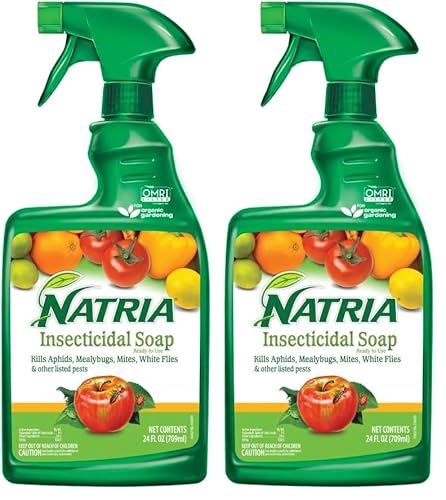
This 1-gallon option from Natria provides a scalable solution for larger rose beds or community garden plots. It targets aphids, mealybugs, mites, whiteflies, and other pests with a spray that should cover all plant surfaces. The product supports organic gardening practices, and its ready-to-use format reduces handling and mess while offering ongoing protection through the growing season. For roses, apply during early infestation cycles and reapply every 5–7 days as needed for sustained control.
Bonide Insecticidal Soap, 32 oz Ready-to-Use Spray (Pack of 2)

This pack offers value for rose enthusiasts managing multiple plants or larger borders. It replicates the two-way killing approach—direct contact and ingestion—by addressing a wide pest spectrum. Outdoor use aligns well with rose beds and mixed borders, making it a practical choice for gardeners who want consistent treatment across many rose bushes. Follow label directions for dilution (if applicable) and spray timing to maintain plant vigor and bloom production.
Buying Guide: Key Considerations For Selecting Insecticidal Soap For Roses
- Pest spectrum: Most soaps target soft-bodied pests (aphids, mealybugs, whiteflies, spider mites). Some products list broader coverage, including caterpillars. Choose based on the common pests observed on your roses.
- Form: Ready-to-use sprays are convenient for spot treatments and small plots, while concentrates offer cost savings for larger areas but require mixing and precise dilution.
- Plant safety: Look for products labeled safe for ornamental plants and edible crops if your roses are near edible gardens. OMRI-listed options suit organic gardening needs.
- Application timing: Sprays are typically effective when pests are present but before heavy infestations. Reapply every 5–7 days during active pest pressure, and stop spraying close to harvest for edible plants as directed.
- Coverage: Insecticidal soaps require thorough coverage of both sides of rose leaves, stems, and buds. Pay attention to underside leaves where pests often hide.
- Water quality and temperature: Use these products in appropriate weather conditions (avoid extreme heat) and ensure water quality does not interfere with the soap’s efficacy.
- Impact on beneficials: While generally safer for pollinators than many systemic pesticides, avoid spraying blooms when pollinators are highly active to minimize unintended effects.
- Storage and handling: Store in a cool, dry place away from direct sunlight. Keep containers closed tightly to prevent degradation of the active components.
Selected products provide a range of options for rose care, from quick, ready-to-use sprays to more economical concentrates. When targeting rose pests, combine thorough coverage with appropriate reapplication, and monitor plant responses to adjust frequencies. Always follow label instructions and local guidelines to maintain rose health and garden biodiversity.