Answering the common buyer question: which insect netting best protects greenhouses and raised beds without blocking essential airflow? The top picks below are geared to different garden sizes and pest concerns. The list includes ultra-fine mesh for vegetables, fruit crops, and flowers, plus options designed for long rows or large raised beds. Ideal for growers who want easy setup, durable materials, and clear visibility of plant health. The quick reference table helps compare sizes, best uses, and why each product stands out.
| Product | Size | Best For | Notes |
|---|---|---|---|
| RIFNY Garden Netting (2 Pack) | 2 x 10×33 ft | Vegetables, berries, and flowers in greenhouse or raised beds | Ultra-fine 0.04 in mesh; two nets in one package |
| Garden Tailor Pest Barrier | 10 x 50 ft | Long rows, beds, or raised beds | Durable HDPE; UV resistant |
| FARAER Garden Netting | 10 x 33 ft | General garden protection and greenhouse use | Lightweight, breathable, easy to water through |
| IPOW 10×60 ft Garden Netting | 10 x 60 ft | Large scale beds and rows | Full visibility; reusable PE material |
| Yoojahow 12 x 33 ft Net | 12 x 33 ft | Large beds or multiple seedbeds | Extra-large sheet; breathable |
RIFNY Garden Netting, 2 Pack 10x33Ft Ultra Fine Mesh

Best for small to mid-sized beds in a greenhouse or patio setup. RIFNY uses a 0.04-inch ultra-fine mesh, designed to block pests while preserving light, air, and rainfall access. The netting covers a broad area in one package, with two 10×33 ft panels for flexible installation. It supports healthy growth by minimizing pest pressure without obstructing photosynthesis. Suitable for cabbage, tomatoes, peaches, and similar crops. A simple fix for gardeners seeking a lightweight, reusable barrier.
Who this is best for: gardeners with multiple crops in one bed or a small greenhouse want effective pest control without heavy hardware. Limitation: mesh density may be less effective against larger pests like squirrels if used alone; combine with other deterrents if needed.
Garden Tailor Pest Barrier 10’x50′ Fine Netting
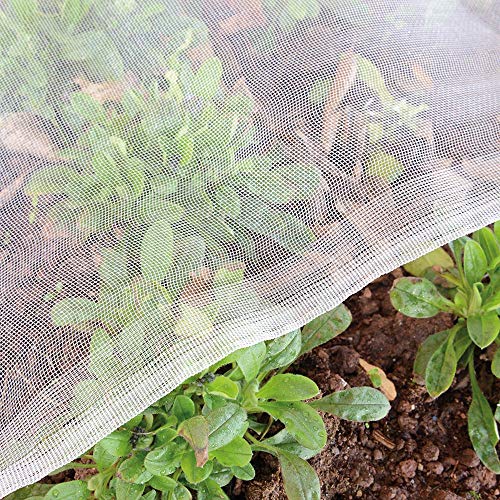
Best for long rows or largerRaised beds where a single sheet is needed. This 10×50 ft netting serves as a versatile barrier against a broad range of insects and garden pests. Made from 100% new HDPE, UV-resistant, and with a tight selvedge to prevent unraveling. It’s light enough for easy draping while providing strong protection. Great for covering vegetable patches, fruit trees, or flower beds in a greenhouse. Caution: ensure edges are secured to avoid wind flaps in exposed areas.
FARAER Garden Netting 10×33 Ft Ultra-Fine Mesh
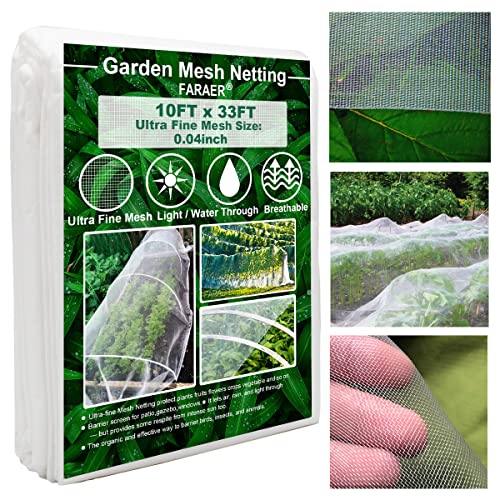
Choose this if you want a balance of coverage and ventilation for vegetable beds, fruits, and flowers. FARAER offers a 0.8mm x 1mm ultra-fine mesh over a 10×33 ft area. The oblong hole construction maintains pass-through for air, water, and light, so irrigation and feeding can occur through the mesh. Ideal for gardeners seeking a simple shelter that minimizes dust and sun exposure while keeping pests at bay. Limitation: may require additional support in windy locations to prevent shifting.
IPOW 10×60 Ft Garden Netting

Best for wide or long garden installations where full coverage is needed with clear visibility. IPOW’s 10×60 ft netting is highly supportive for raised beds and long rows. It uses tear-resistant PE material that remains durable over seasons and can be stored for reuse. It allows you to monitor plant growth without removing the cover, thanks to its open mesh. Caution: ensure you have anchor points or hoops to keep the sheet taut in windy regions; otherwise, it may billow.
Yoojahow Garden Insect Netting 12×33 Ft

Best for gardeners who need an extra-large single sheet to cover multiple seedbeds or a small greenhouse. Yoojahow’s 12×33 ft white netting reduces pest pressure while maintaining breathability for crops like leafy greens, berries, and small fruit trees. It’s lightweight polyethylene, so it’s easy to drape and secure. Choose this if you want fewer seams and faster installation across larger areas. Limitation: a single large sheet may be less practical for highly irregular planting layouts without cutting or shaping.
Buying Guide
- Mesh density: Ultra-fine mesh blocks tiny pests but can reduce airflow if too dense. Look for 0.04–0.8 mm ranges depending on pests and crop type.
- Size and coverage: Choose sizes that minimize seams and fit your bed width or greenhouse area. Larger sheets reduce stitching but require secure anchoring.
- Material and durability: Reusable PE or HDPE nets withstand sun and weather. Check UV resistance for longer life in sunny climates.
- Ventilation and irrigation: Ensure the mesh allows water, air, and light through for healthy plant metabolism and irrigation without removing the cover.
- Installation considerations: Favor nets with simple draping or with built-in framing options like hoops or stakes. Consider wind exposure and provide tie-down points.
- Maintenance: Look for tight selvedges to prevent unraveling, and assess whether the net can be easily cleaned or stored between seasons.
FAQ
- Q: Will these nets block sunlight? A: No, most ultra-fine nets are designed to pass light while blocking pests, preserving photosynthesis.
- Q: Can I water through the netting? A: Yes, most nets are designed to allow water and liquid feed through the mesh without removal.
- Q: How long will the netting last in sun and weather? A: Durable PE or HDPE nets with UV resistance are built for multiple seasons, depending on climate and handling.
- Q: Are nets suitable for all pests? A: Nets reduce many insects and small animals but may not deter larger pests like squirrels without additional measures.
- Q: Do I need tools to install? A: Often not; nets can be draped and secured with rocks, soil, stakes, or hoops.
- Q: Can I cut nets to custom shapes? A: Yes, most nets can be cut to fit irregular bed layouts, though care should be taken to avoid fraying.