Winter is a critical season for beekeeping. A reliable hive wrap helps maintain internal hive temperatures, reduces energy use for the colony, and protects against wind, water, and cold. Below are five top-rated hive wraps designed for 8- and 10-frame Langstroth hives, featuring durable materials, multi-layer insulation, and adjustable fits to accommodate different hive configurations. Use this guide to compare sizes, materials, and features so you can choose the best wrap for your winter operations.
| Product | Size / Fit | Material Highlights |
|---|---|---|
| Parsagi Bee Hive Wraps for Winter | 78″ x 20″ (for 8/10 frame) | 600D Oxford cloth outer, aluminum film, EPE foam; multi-layer guard |
| MayBee Winter Bee Hive Wrap (2 Deep Box) | 76.8″ x 18.1″ (2 deep hives; fits 8/10 frames) | 600D Oxford cloth, pearl cotton, double-sided aluminum foil |
| GOCOHHI Winter Bee Hive Wrap | 82″ x 23.7″ (2 deep + 1 medium box) | 600D Oxford cloth, PEVA inner layer, pearl cotton |
| Challicare Winter Beehive Wrap | 75.98″ x 23.6″ (8/10 frame) | 600D Oxford cloth, pearl cotton, buckles and Velcro |
| codree Winter Bee Hive Wrap | 85″ x 34″ (2 deep + 2 medium boxes) | 600D Oxford cloth, aluminum foil, pearl wool |
Parsagi Bee Hive Wraps for Winter

Parsagi offers an extended 78″ wrap designed for tighter enclosure and fewer edge gaps, ideal for 8/10-frame Langstroth hives. The wrap combines outer aluminum foil, a pearl cotton layer, and inner reflective surfaces to maximize insulation and minimize drafts. Its design emphasizes a hive-matched fit to reduce heat loss and wind exposure, providing reliable winter protection for overwintering bees.
Bee Hive Wraps for Winter 78″ x 20″ by Parsagi

This wrap emphasizes triple thermal management with outer aluminum foil, 3mm pearl cotton, and inner aluminum foil to reflect heat back into the hive. The extended length helps cover more of the hive perimeter, reducing potential drafts and conserving energy during very cold nights.
MayBee Winter Bee Hive Wrap for 10 & 8 Frame Hives

This MayBee wrap is crafted for multi-layer protection with a 4-layer structure: 600D Oxford cloth, pearl cotton, and two layers of aluminum foil. It includes adjustable two Velcro straps and nylon buckles to fit both 8-frame and 10-frame configurations, ensuring a snug winter seal for two deep hive boxes.
MayBee Winter Bee Hive Wrap (2 Deep Boxes + 1 Medium Box)
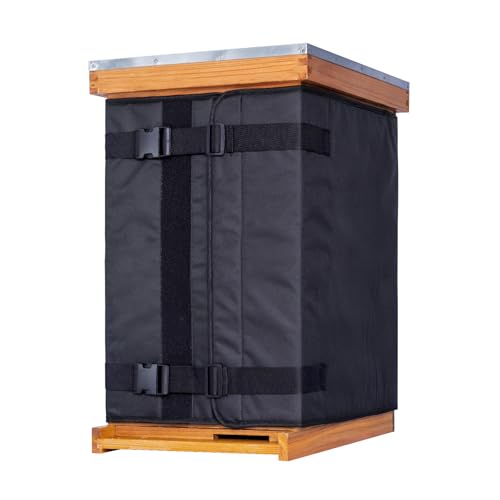
Designed to fit two deep hive boxes plus an extra medium box, this MayBee wrap maintains a warm microclimate through a 4-layer system with robust waterproofing and windproofing. The adjustable design supports precise wrapping around different hive shapes, minimizing heat loss during cold snaps.
GOCOHHI Winter Bee Hive Wrap

GOCOHHI’s wrap focuses on a winter-specific solution with a three-layer design: thick 600D outer fabric, PEVA inner lining, and pearl cotton insulation. It’s adjustable via multiple Velcro and magic tape closures to better fit 8-frame to 10-frame hives, offering strong protection against freezing temperatures and wind-driven moisture.
Challicare Winter Beehive Wrap

Challicare’s wrap highlights a flexible two-closure system with adjustable straps and buckles. With a 75.98″ length and 23.6″ width, it’s designed to snugly cover 8/10-frame hives. The combination of 600D Oxford cloth, pearl cotton, and aluminum film provides reliable waterproofing and windproofing, while remaining reusable for multiple winters.
codree Winter Bee Hive Wrap
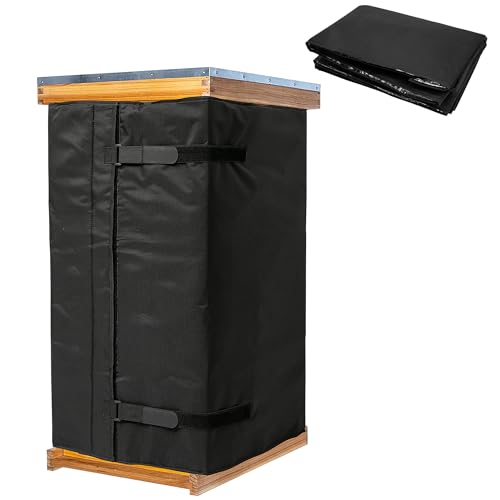
codree offers a cozy 2-deep + 2-medium box wrap at 85″ x 34″. The 600D Oxford exterior, aluminum foil, and pearl wool fill work together to block cold air and moisture, helping bees maintain warmth during extreme conditions. An adjustable wrap with secure straps supports a tight seal around larger hive configurations.
Buying Guide: Key Purchase Considerations
- Hive size and configuration: Confirm whether the wrap supports 8-frame and/or 10-frame hives and whether you have two deep boxes or additional medium boxes. Adjustable wraps are more versatile when you change hive configurations.
- Materials and insulation: Look for a multi-layer design combining a durable outer fabric (600D Oxford), insulating core (pearl cotton), and reflective or waterproof inner layers (aluminum foil or PEVA). This combo improves warmth retention and moisture control.
- Waterproofing and windproofing: Winter conditions demand strong protection from rain, snow, and cold winds. Wrapping should minimize drafts while resisting wear from repeated use.
- Ease of use: Seek wraps with simple closures ( Velcro straps, buckles, and magnetic or magic tape) for quick installation and removal, especially important during icy or windy weather.
- Fit and coverage: A larger wrap that overlaps the hive perimeter reduces edge gaps and cold spots. Ensure that the wrap can be securely fastened without putting stress on the hive’s joints.
- Durability and reuse: Beekeeping wraps are often reused for multiple seasons. Durable stitching and materials reduce the risk of tearing after heavy winter use.
- Maintenance: Some wraps are easier to clean and dry after exposure to moisture. Check care instructions if you operate in wet winter climates.
- Cost vs. value: While wrapping is an upfront expense, effective insulation can significantly reduce colony stress and web of inputs during winter. Consider wraps with a proven multi-layer design and a good fit-to-hive range.
When choosing a winter wrap, consider your typical winter temperatures, hive location (indoor/outdoor, exposed vs. sheltered), and the hive configurations you commonly maintain. A wrap with adjustable straps and multiple attachment points will accommodate changes in your apiary without needing separate products. The wraps listed here emphasize infrared-reflective or insulating layers while maintaining wind and water resistance—crucial for helping bee colonies endure cold snaps and prolonged low temperatures.