Answering the question “What are hardy palms that grow well in pots?” this guide highlights five robust options that adapt to containers and seasonal changes. These palms are suited for outdoor patios, entryways, and bright indoor spaces, and they tolerate varying climates. The buyers targeted here include coastal gardeners, busy homeowners seeking low-maintenance greenery, and those who want year-round tropical appeal without professional landscaping. The table below compares the chosen products at a glance.
| Product | Best For | Notes |
|---|---|---|
| American Plant Exchange Windmill Palm Tree – 10-Inch | Cold climates with container use | Large, lush fronds; hardy to 5°F |
| Windmill Palm in 3 Gal. Grower’s Pot | Low-maintenance containers | Very drought-tolerant after establishment |
| American Plant Exchange Windmill Palm – 6-Inch Pot | Smaller spaces and patios | Compact but tropical look |
| Windmill Palm – 4 Inch Pot (Wekiva Foliage) | Small spaces or multiple plantings | Compact crown; ideal for tight spots |
| American Plant Exchange Live Areca Palm – 10-Inch Pot | Indoor or sunny patios | Feathery fronds; pet-friendly |
American Plant Exchange Windmill Palm Tree – 10-Inch With Pot
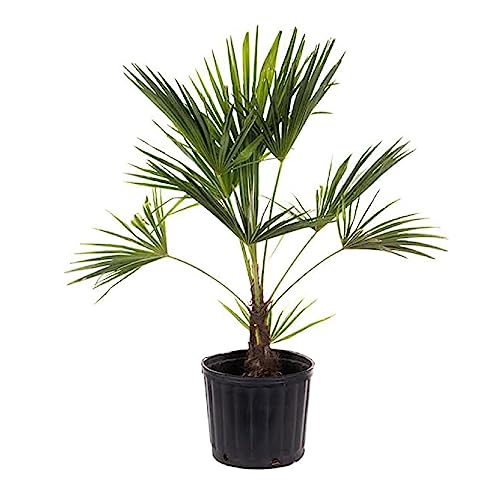
Reference features: Premium quality windmill palm grown by nursery professionals; cold hardy in USDA zones 7-11, with tolerance to 5°F; elegant fan-shaped fronds add tropical allure. Best for buyers who want a ready-to-place palm that thrives in a wide range of climates and provides a bold visual impact in larger pots or landscape containers.
Who it’s best for and why: Ideal for homeowners in cooler coastal areas seeking a taller, dramatic palm in a container. Chosen for size, hardiness, and striking foliage. Caution: ensure winter protection in exposed locations to avoid windburn or frost exposure in extreme conditions.
Windmill Palm in 3 Gal. Grower’s Pot

Reference features: Cold hardy tropical tree; low maintenance; drought tolerant after establishment. Best for gardeners who want a ready-to-plant palm in a manageable pot size with minimal ongoing care.
Who it’s best for and why: Good for beginners or busy households that prefer a palm that needs less water once established. Caution: occasional watering may be necessary during extended dry spells or unusually hot periods.
American Plant Exchange Windmill Palm – 6-Inch Pot

Reference features: Live windmill palm with lush fronds; cold hardy; indoor or outdoor use; suitable for patios, porches, poolside containers, sunrooms, and tropical-inspired gardens.
Who it’s best for and why: Choose this if you need a compact palm that still delivers tropical visuals in tighter spaces, such as entryways or balcony planters. Caution: smaller pots may require more frequent watering in hot, dry environments.
Windmill Palm – Live Plant In A 4 Inch Pot

Reference features: Compact palm with a tough trunk; interesting hairy fibers; ideal for small spaces, containers, and rock gardens. Best for adding tropical texture to tight corners and group plantings in small landscapes.
Who it’s best for and why: Suited for gardeners decorating compact patios or rock gardens where space is limited. Caution: may require more frequent light watering in bright indoor settings to maintain frond vitality.
American Plant Exchange Live Areca Palm – 10-Inch Pot

Reference features: Lush feathery fronds; pet-friendly; air-purifying properties; thrives in bright indirect light; adaptable to various indoor conditions.
Who it’s best for and why: Best for bright living rooms or offices where a softer, feathery palm complements décor and where pets are present. Caution: Areca palms prefer steady moisture; avoid overwatering.
Buying Guide: Key Considerations For Hardy Palms In Pots
Container choice matters. Select pots with good drainage and a width that supports mature frond spread. Material impacts temperature fluctuations; heavier pots minimize tipping in windy patios.
Climate tolerance is crucial. Windmill palms are among the hardiest for container use, handling cool nights in USDA zones 7–11. When placing outdoors, protect from extreme frost and strong winds.
Light and water. Most hardy palms prefer bright, indirect light or full sun in cooler climates. Watering should be regular but allow the soil to dry slightly between waterings to prevent root rot.
Maintenance considerations. Drought tolerance varies by cultivar and container size. Expect higher maintenance for smaller pots due to faster drying soil. Fertilization a few times per year supports healthy growth.
Placement and aesthetics. For indoor use, ensure the light levels align with the palm’s needs. For outdoors, consider seasonal weather and implement protective measures during cold snaps or heavy rain.
Frequently Asked Questions
- What is the hardiest palm for pots? The Windmill Palm (Trachycarpus fortunei) is among the hardiest, tolerating cool nights and thriving in containers in many climates.
- Do palm trees in pots require special soil? Use well-draining potting mix with organic matter; avoid heavy soils that retain moisture and promote root rot.
- Can palms grow indoors in pots? Yes, provided they receive sufficient light and the pot size supports growth, with regular watering and drainage.
- How often should I water a potted palm? Water when the top inch of soil feels dry; frequency depends on pot size, plant size, light, and climate.
- Areca palms are safe for homes with pets? Areca palms are generally considered pet-friendly, but always monitor plants around curious pets to prevent chewing or ingestion.
- Is fertilization necessary for potted palms? Yes, light feeding during the growing season supports healthy fronds; avoid over-fertilizing, which can burn roots.