Discover top grass paver systems that combine permeable drainage with sturdy load support. This guide highlights five proven options, comparing materials, installation practicality, and ideal uses—from grass parking strips to garden sheds. Each product blends eco-friendly plastic, reinforced strength, and easy DIY installation to help you achieve a durable, grass-friendly driveway without sacrificing aesthetics or functionality.
| Product | Brand | Depth | Area Covered | |
|---|---|---|---|---|
| Vodaland HexPave System | Standartpark | 1″ | 65 sq ft / 22 units | Up to 27,000 lbs |
| TRUEGRID PRO LITE | TRUEGRID | Unknown (permeable grid) | 72 sq ft | 120,000+ lb class |
| EasyPave Grass & Gravel (2″ depth) | Standartpark | 2″ | 35 sq ft / 14 units | 80,000 lbs load class |
| Goldshire 12 Units | Goldshire | 1.6″ | 32 sq ft | 6,610 lbs |
| Wesnoy 15 Pcs Grid | Wesnoy | Noted 1.18″ / 15.74″ | Modular pack (15 pcs) | Up to 6,613 lbs per grid |
Vodaland HexPave System Grass & Gravel Pavers

The Vodaland HexPave System from Standartpark combines 100% recycled PPE plastic with a high load capacity design. The 1-inch depth and 65 square feet coverage come as a 22-unit set, delivering a versatile base for grass driveways, garden paths, shed bases, or gravel transitions. Each unit measures approximately 22 7/8 inches by 19 7/8 inches, creating a stable grid that promotes grass growth while distributing weight evenly. Suitable for driveways and walkways with moderate traffic, its modular design facilitates custom layouts for irregular spaces.
Key features include durable construction from recycled materials and an impressive load tolerance (up to 27,000 lbs, depending on base and fill). The system’s permeable design enables effective drainage, reducing runoff and erosion. It’s well-suited for homeowners seeking an eco-friendly option that blends lawn aesthetics with practical driveway performance. Installation is straightforward for DIY projects, and the 65 sq ft coverage offers a balanced package for smaller driveways or accent areas in a yard.
TRUEGRID PRO LITE Permeable Pavers
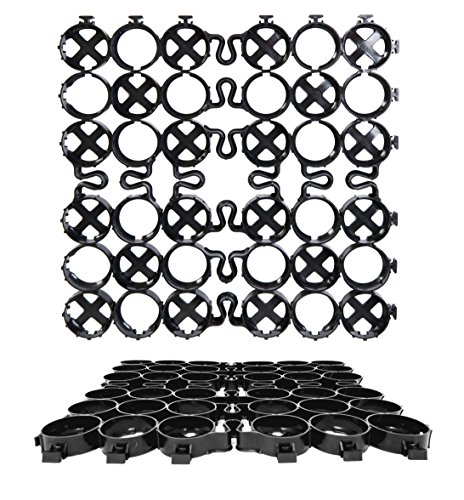
TRUEGRID PRO LITE pavers are designed for easy DIY installation with strong all-weather performance. Made in the USA from 100% post-consumer recycled HDPE, these permeable grids support driveways, grass sheds, patios, RV pads, and gravel areas. The system emphasizes light weight for simple handling while delivering substantial durability, and its 100% permeable design promotes rapid drainage and reduced surface runoff. The product line is documented for snow plowing resilience, making it suitable for colder climates where freeze-thaw cycles are a concern.
This option is ideal for homeowners who want a modular, recyclable solution that supports heavy loads and broad climate tolerance. The lightweight nature helps with quick installations and adjustments on-site. The emphasis on permeability ensures grass and soil can breathe, which is critical for long-term lawn health around a permeable driveway. While it’s praised for DIY friendliness, users should plan base preparation to maximize stability, especially in soils with poor drainage.
EasyPave Grass & Gravel Driveway Grid (2″ Depth)

The EasyPave system from Standartpark is built for resilient driveway and shed-base applications with a 2-inch depth and a 35 sq ft coverage per 14-unit set. The pavers are crafted from 100% recycled plastic, offering a robust load class up to 80,000 lbs, depending on base and fill. The grid design supports gravel driveways, parking areas, and pathways while ensuring ample drainage and stability on uneven or marginal soils.
Its modular nature makes it adaptable to various layouts, including curved driveways or irregular spaces, and the heavier depth provides greater stiffness for heavier traffic zones. This option is particularly suitable for long-term projects where a durable, permeable solution is required to manage weight while preserving lawn aesthetics. Installation guidance should focus on proper base preparation and compaction to maximize performance over time.
Goldshire Permeable Pavers — Grass & Gravel Grid

Goldshire’s 12-unit grass and gravel grid provides a compact, durable solution with a depth of 1.6 inches and a 32 sq ft coverage. The system emphasizes superior material quality, using 100% recycled plastic for long-lasting performance. A noteworthy feature is its load tolerance, which reaches 6,610 lbs per grid, dependent on base and fill materials. This makes it suitable for light to moderate driveway traffic, garden paths, and shed bases where grass preservation and drainage are priorities.
The grid design promotes lawn protection by distributing weight, reducing soil compaction, and facilitating drainage. It’s particularly well-suited for homeowners seeking a balance between affordability, easy installation, and functional permeability. As with other paver grids, proper base preparation and appropriate filling material greatly influence overall performance and longevity.
Wesnoy 15 Pcs Ground Protection Grid

The Wesnoy 15-piece grid set offers robust load-bearing capacity with each grid supporting up to about 3 tons (approximately 6,613 lbs). The modular design enables flexible configurations to fit driveways, parking areas, or temporary event setups. The interlocking, permeable design helps protect lawn areas while allowing drainage and grass growth beneath the grid network. This option is suitable for creating temporary or semi-permanent parking areas in lawns or gravel driveways without resorting to concrete or asphalt.
The system emphasizes ease of transport and on-site assembly, with a focus on protecting the lawn by distributing traffic load to minimize soil compaction. It’s a practical choice for homeowners who want to expand parking space or manage vehicle traffic through grassy areas while maintaining yard aesthetics. The relatively high load capacity for a modular set makes it adaptable to different vehicle types, including cars and small trucks, depending on installation conditions.
Buying Guide: Key Purchase Considerations and Comparisons
- Load capacity and class: Consider expected vehicle types and frequency. Higher load classes support heavier vehicles and longer service life, especially on driveways with frequent parking.
- Depth and coverage: Deeper grids generally offer greater stiffness and better support for heavier loads, but also affect the overall footprint per unit. Match depth to your soil conditions and drainage needs.
- Permeability and drainage: Permeable pavers reduce runoff, promote grass health, and mitigate erosion. Ensure the system integrates well with your soil’s drainage characteristics.
- Materials and sustainability: Recycled plastics are common; check for durability, weather resistance, and recyclability at end of life. This aligns with eco-friendly goals and long-term value.
- Installation ease: DIY-friendly grids with interlocking designs save time and labor. Review base preparation requirements (gravel, geotextile, compaction) to maximize performance.
- Grass compatibility and aesthetics: If preserving lawn aesthetics is a priority, choose grids with larger cell openings or designs that encourage grass growth between units.
- Maintenance and longevity: Consider UV resistance, weather tolerance, and how easy it is to replace individual units if damaged.
- Scale needs: For larger driveways or parking areas, assess packs that provide more total area (e.g., 315 sq ft or more) to minimize continuity gaps and ensure uniform performance.
- Climate considerations: In climates with freezing cycles, select grids rated for snow plowing and mitigate frost heave risk with proper base materials.
In summary, selecting the right grass paver system involves balancing load needs, drainage performance, and ease of installation. For smaller driveways or decorative edging, lighter, modular grids with grass-friendly aesthetics may suffice. For frequent or heavy traffic, prioritizing higher load classifications and deeper units can yield better long-term durability. Always align product depth, area coverage, and installation requirements with your site conditions to maximize grass health and driveway resilience.