When choosing garden soil for in-ground use, you want a mix that improves native soil, promotes drainage and moisture retention, and supports robust root development. The following five products are selected for different planting needs—from vegetable patches to flower beds and seed starting. This guide explains who each product is best for, why it’s a solid choice, and any notable limitations to consider.
Buyer snapshot: The table below compares key traits to help you decide which soil or soil mix fits your garden goals, whether you’re layering topsoil, amending native soil, or setting up container-friendly in-ground beds.
| Product | Best For | Notable Benefit |
|---|---|---|
| Miracle-Gro Organic Outdoor Potting Mix | Outdoor container gardens and raised beds with good drainage | Quick-release natural fertilizer for up to 2 months |
| Miracle-Gro Expand ‘n Gro Concentrated Planting Mix (0.33 cu ft) | Amending in-ground beds and containers needing water retention | Expands up to 3x with water; holds 50% more water |
| Espoma Organic Vegetable & Flower Garden Soil | Organic gardens and transplanting beds | Contains earthworm castings and mycorrhizae for soil biology |
| Miracle-Gro Potting Mix (2-pack) | Container gardens and perennial beds needing long-lasting feeding | Feeds up to 6 months; proven growth boost |
| Michigan Peat Garden Magic Top Soil Blend | Ready-to-use topsoil for mixed beds and landscapes | Ready-to-use and balanced for moisture and drainage |
Miracle-Gro Organic Outdoor Potting Mix

Best for: Gardeners setting up outdoor containers or raised beds that require immediate feeding with long-term soil improvement. This mix includes a quick-release natural fertilizer and is suitable for flowers, herbs, vegetables, annuals, and perennials. Use it to boost container performance and support outdoor plant health.
Why chosen: It combines organic composition with ongoing nutrient support, helping plants establish quickly in well-drained, outdoor soils. The peat component contributes to moisture retention while supporting root growth in raised or container beds.
Caution: For in-ground beds with heavy standing water, mixing this potting mix alone may not solve drainage; consider integrating with a dedicated in-ground amendment or compost for long-term soil structure.
Miracle-Gro Expand ‘n Gro Concentrated Planting Mix (0.33 cu ft)

Best for: Soilless gardening and in-ground or container beds where water retention is a priority. This mix expands with water to up to 1 cu ft, reducing the need for frequent replanting and helping plants access moisture during dry spells.
Why chosen: Its expansion feature creates a larger medium for root growth and supports prolonged feeding, making it versatile for both ground and container setups. It’s particularly helpful when starting seeds or establishing new plantings in irregular soil.
Caution: Expansion relies on moisture; in very damp climates, expansion can reduce aeration if over-watered. Use with proper drainage and avoid oversaturation.
Espoma Organic Vegetable & Flower Garden Soil

Best for: Organic gardening and transplanting beds that benefit from soil biology enhancements. It includes earthworm castings and a mycorrhizal blend to support robust root systems and nutrient uptake.
Why chosen: The combination of organic ingredients and mycorrhizae helps improve soil structure and nutrient cycling, promoting healthier growth in native soils and amended beds alike.
Caution: Being organic, improvements are steady rather than instantaneous; results depend on your native soil quality and planting regimen.
Miracle-Gro Potting Mix (16 qt) 2-Pack

Best for: Outdoor container gardens and beds that require feeding for up to six months. This mix supports a wide range of plants, including flowers, vegetables, shrubs, and perennials.
Why chosen: It offers extended feeding and is versatile for various plant types, making it suitable for mixed beds and larger container projects. The 2-pack provides a convenient, bulk option for ongoing projects.
Caution: Long feeding duration can lead to salt buildup if irrigation is excessive; ensure proper leaching and occasional soil refreshment.
Miracle-Gro Expand ‘n Gro Concentrated Planting Mix (0.67 cu ft)
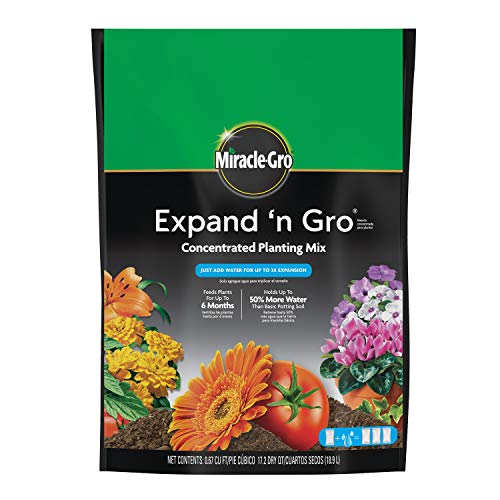
Best for: In-ground beds and large planting areas that need a moisture-retentive medium with expansion capability. It expands up to 3x with water and feeds plants for up to 6 months.
Why chosen: High expandability and water-holding capacity can reduce irrigation frequency and support deeper root growth, particularly in sun-exposed or sandy soils.
Caution: In very wet climates, ensure drainage to prevent root rot; avoid using sole media in poorly drained beds.
Michigan Peat Garden Magic Top Soil Blend

Best for: Ready-to-use topsoil blends for both indoor and outdoor planting projects, including garden beds and lawns. It’s designed to improve native soil structure and moisture management.
Why chosen: The blend aids uniform moisture retention and drainage, supporting healthy root systems across varied soil types.
Caution: As a topsoil blend, performance depends on existing soil conditions; it may require additional organic matter for highly compacted soils.
Buying Guide: Key Considerations For In-Ground Garden Soils
- Soil compatibility: Match your soil amendments to native soil conditions—sandy, clay, or loam—so you improve drainage and moisture retention without over-amending.
- Organic vs. synthetic nutrients: Organic blends support long-term soil biology but may act slower; synthetic-feeding mixes can provide quick boosts but require careful management to avoid salt buildup.
- Mycorrhizae and soil biology: Look for products that include mycorrhizae or worm castings to encourage robust root networks, especially in transplanting beds.
- Water retention vs. drainage: Balance moisture retention with adequate drainage to prevent root rot in heavy soils and ensure rooting depth in sandy soils.
- Expansion and volume: Some mixes expand with water; plan for container depth and bed space to avoid crowding plant roots.
- Intended use: Distinguish between in-ground beds, transplanting mixes, and container-specific blends to choose the most appropriate medium.
FAQ
- What soil is best for in-ground vegetable beds? Look for organic mixes with compost, worm castings, or mycorrhizae that improve soil biology and drainage for root growth.
- Can potting mixes be used directly in the ground? Some are designed for containers and may not perform optimally in the ground without additional amendments for structure and drainage.
- How long do garden soils feed plants? Many mixes provide nutrients for 3–6 months; reapply compost or a compatible fertilizer to maintain growth.
- Should I mix topsoil with potting mix? For in-ground beds, combining topsoil with organic amendments can improve texture, drainage, and nutrient availability.
- How do I avoid soil compaction after amending? Use chunky organic matter, avoid over-tilling, and consider cover crops or mulching to maintain soil structure.
- What is the safest way to test soil quality? Start with a basic soil test to determine pH, nutrient levels, and organic matter, then tailor amendments accordingly.