Palm trees face a range of fungal and bacterial threats, from powdery mildew to blight and leaf spot. The right fungicide can protect fronds, prevent spread, and keep palms looking lush. This guide highlights five dependable products suitable for palm care, covering natural and traditional options. Each product is evaluated on spectrum, safety, ease of use, and suitability for outdoor palms in American landscapes.
| Product | Brand | Key Benefit | Best For |
|---|---|---|---|
| Southern Ag Liquid Copper Fungicide, 32oz | Southern Ag | Broad bacterial and fungal control; compatible with hose-end sprayers | General palm disease prevention |
| Grower’s Ally Fungicide Spray for Plants Ready-to-Use 24 oz | Grower’s Ally | Natural, organic-leaning protection; powdery mildew prevention | Organic gardening needs |
| Earth’s Ally Disease Control Concentrate for Plants 32 oz | Earth’s Ally | Citrus-acid based; broad disease control with a natural profile | Safe, all-natural approach |
| Trifecta Crop Control Super Concentrate | Trifecta | All-in-one protection against mildew, mites, and mold | Versatile pest and disease defense |
| Garden Safe Brand Fungicide3, 32 Fluid Ounces | Garden Safe | Organic gardening friendly; includes neem oil | Organic palm care with insect/mite protection |
Choosing the right product involves considering disease types common to palms, environmental safety, and whether you prefer natural ingredients or conventional chemistry. The following sections profile five products most relevant to palm health, offering practical guidance for application and compatibility with typical American palm species.
Southern Ag Liquid Copper Fungicide
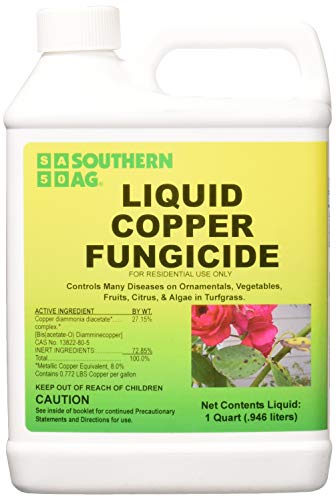
Southern Ag Liquid Copper Fungicide provides broad coverage against diseases caused by bacteria and fungi, with a formulation that works well with hose end sprayers. This product is labeled for moss and algae control as well, making it a versatile option for palms that share space with turf or other plantings. Copper-based fungicides are commonly used on palms to manage leaf spot and leaf blotch, but users should avoid excessive foliar burn by following label directions and applying during cooler parts of the day. For palm care, this product supports ongoing disease suppression and overall plant vigor when used as part of a regular spray schedule.
Grower’s Ally Fungicide Spray

Grower’s Ally Fungicide Spray is designed as a natural, broad-spectrum fungicide and bactericide suitable for plants, including palms. It emphasizes organic compatibility, with citric-acid-based chemistry that forms a protective barrier on leaf surfaces. The product is FIFRA 25(b) exempt and OMRI Listed, making it appealing to gardeners seeking non-synthetic options. It aims to kill and prevent powdery mildew and other common plant pathogens while remaining gentle on plant tissue. For palm culture, consider this as a preventative spray during periods of high humidity or after rainfall, when spores are most likely to germinate.
Earth’s Ally Disease Control Concentrate

Earth’s Ally Disease Control Concentrate provides comprehensive protection against powdery mildew, downy mildew, blight, and other common plant diseases. Its citric-acid-based composition is marketed as a natural alternative with fewer harsh chemicals and residues. For palm trees, this product can be suitable for integrated disease management, especially for homeowners seeking a safer, more environmentally friendly option. Always follow dilution guidelines and ensure thorough coverage of fronds to maximize efficacy.
Trifecta Crop Control

Trifecta Crop Control is a concentrated, all-in-one solution designed to combat powdery mildew, mites, and mold on a wide range of plants, including palms. Its ready-to-use dilution model simplifies application, making it a practical choice for DIY palm care. The product’s multi-action approach targets fungal and parasitic threats, providing a broad spectrum of protection with a simple mixing routine. For palm enthusiasts dealing with recurring pests or mildew, this option offers a flexible defense strategy with clear, user-friendly instructions.
Garden Safe Fungicide3

Garden Safe Fungicide3 combines fungicidal, insecticidal, and miticidal action with neem oil extract, making it a versatile option for organic gardeners caring for palms. The product is designed for prevention and control of fungal diseases such as black spot, as well as common pests. For palm care, Garden Safe can be particularly attractive if you want a multi-purpose product that supports both disease resistance and pest management while aligning with organic gardening principles. Always test on a small leaf area before broad application to check for any phytotoxicity on sensitive varieties.
Buying decisions for palm fungicides hinge on several considerations. Spectrum and coverage determine how many diseases you can manage with a single product. Safety profiles matter, particularly on edible or ornamental plants near children and pets. Application method—concentrates versus ready-to-use sprays—affects labor and scheduling. Finally, whether you prefer natural or conventional chemistry can guide your choice, especially for long-term maintenance and environmental impact.
Buying Guide: Key Purchase Considerations
- Target diseases: Identify the most common issues for your palm species (e.g., leaf spot, powdery mildew, blight) and choose a product with proven efficacy for those diseases.
- Ingredients and safety: Natural-Citric or neem-based options favor organic gardening, while copper-based or synthetic fungicides may offer broader immediate control. Consider labeling, safety for people and pets, and non-target effects on beneficial organisms.
- Plant compatibility: Ensure the product is labeled for use on palm trees and not restricted to other species. Check dilution rates and spray timing to minimize phytotoxicity on fronds.
- Application method: Hose-end sprayers, ready-to-use sprays, and concentrates each have pros and cons. Hose-end formulas can save time on larger landscapes, while concentrates may offer cost efficiency for frequent use.
- Environmental conditions: Apply during mild weather to reduce leaf burn and runoff. Humidity and rainfall influence disease pressure and product performance, so plan treatments accordingly.
- Integrated approach: Combine fungicides with cultural practices—proper pruning to improve air circulation, proper irrigation, and removal of infected fronds—to enhance overall palm health.
- Regulatory considerations: Some products are OMRI Listed or FIFRA exempt for organic use. Verify local regulations and product labeling to ensure compliant usage in your region.
When selecting a fungicide for palm care, align product features with your palm’s disease profile, landscape setting, and personal preference for natural versus conventional options. Testing one product at a time and monitoring palm response over several weeks can help determine the best long-term solution for your trees. Keeping a simple spray calendar—especially during peak disease seasons—can improve palm vigor and appearance while minimizing disease resurgence.