Facing ants and other pests protecting fruit trees? This guide targets buyers seeking effective ant and general fruit tree pest control. Each product is chosen for either direct ant control, broad-spectrum insect/disease management, or protective barriers that reduce pest activity around fruit trees. Ideal buyers include home orchardists, urban gardeners, and those who grow citrus, stone fruits, and small fruit shrubs. The table below helps compare top picks at a glance.
| Product | Best For | Type | Notes |
|---|---|---|---|
| Bonide Captain Jack’s Fruit Tree Spray (16 oz) | Broad pest and disease prevention | Concentrate spray | Organic gardening friendly, controls fungi and many insects |
| Catchmaster Tree Banding Insect Barrier Kit | Crawling insects on tree trunks | Adhesive barrier kit | Long-lasting, easy to apply |
| BioAdvanced Fruit & Citrus Tree Insect Control Concentrate (32 oz) | Longer protection, multiple crops | Concentrate | Up to 2 months protection |
| Catchmaster Tree Shield Lantern Fly & Ant Traps | General tree protection and monitoring | Adhesive barrier | Heavy coverage, easy setup |
| BioAdvanced 3-in-1 Fruit, Citrus & Nut Tree Spray (32 oz) | Triple protection in one application | Ready-to-use spray | Insects, diseases, and mites |
Bonide Captain Jack’s Fruit Tree Spray (16 oz) – Insect & Disease Control

Best for: Home orchardists seeking an all-around spray that targets fungi and common pests on a variety of fruits, nuts, and citrus. This concentrate is designed to prevent powdery mildew, blight, black spot, mold, and other fungal threats while repelling aphids, gnats, beetles, grasshoppers, and similar insects.
Why it’s selected: The concentrated formula allows mixed applications to fit different tree sizes and seasons. It combines disease control with insect deterrence, making it versatile for mixed fruit plantings. It’s particularly useful where both fungal diseases and insect pressure are present.
Caution: Always follow label directions for dilution and application intervals. Avoid applying during extreme heat and ensure good coverage to prevent burn or runoff on foliage.
Who should buy: Gardeners with mixed fruit trees who want a single product to address both fungal diseases and a broad spectrum of insects. It’s suitable for organic-minded setups when used per label guidelines.
Catchmaster Tree Banding Insect Barrier DIY Kit (15 oz Pail)
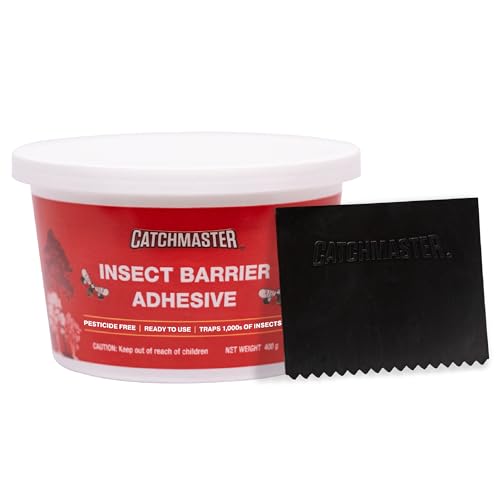
Best for: Orchard owners looking for a long-lasting physical barrier to crawling insects around tree trunks, including lanternflies, ants, cankerworms, and other pests.
Why it’s selected: This kit provides four pails of adhesive, spreaders, and wrap length to create protective bands around multiple trees. The UV-stable formula resists sun and weather, helping maintain effectiveness through the season.
Limitation: Adhesive-based barriers require proper placement and regular inspection to maintain trapping efficacy. They do not kill pests on contact but deter ingress and monitor activity.
Who should buy: Buyers prioritizing non-chemical barrier methods, especially in areas with spotted lanternfly concerns or where you want ongoing pest monitoring on trunk surfaces.
Catchmaster Tree Banding Insect Barrier DIY (15 oz Pail)
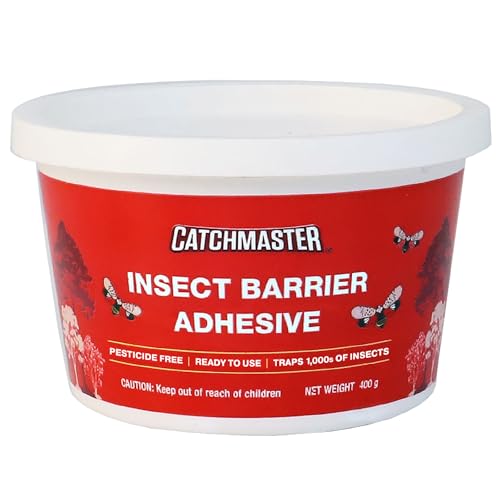
Best for: Home gardens needing a repeatable, seasonal barrier to monitor and reduce tree-dwelling pests.
Why it’s selected: Similar to the 15 oz pail variant, this option emphasizes long-lasting adhesive barriers with weather resistance and easy wrap applications for flexible tree sizing.
Limitation: Requires careful installation to ensure the barrier stays in place, especially after rain or wind events.
Who should buy: Those who value a straightforward, barrier-based approach to protect fruit trees without systemic insecticides.
BioAdvanced Fruit & Citrus Tree Insect Control Concentrate (32 oz)

Best for: Gardeners seeking longer protection across multiple fruit crops with a focus on both insects and plant health.
Why it’s selected: This concentrate covers a broad spectrum of pests including Asian citrus psyllid, whiteflies, aphids, leafhoppers, mealybugs, scales, and more. It also supports a range of edible crops beyond fruit trees, extending utility for mixed gardens.
Limitation: It provides up to two months of protection but requires careful timing to align with pest life cycles. Do not rely on it as the sole defense in heavily infested areas.
Who should buy: Buyers with several fruit trees or a mixed garden who want broader control and longer intervals between applications.
BioAdvanced 3-in-1 Fruit, Citrus & Nut Tree Spray (32 oz)

Best for: Gardeners wanting a single spray that addresses insects, diseases, and mites in one go.
Why it’s selected: The triple-action formula simplifies routine care by combining insect control, disease suppression, and mite prevention in one application, which is convenient for busy growers managing multiple tasks.
Caution: While convenient, ensure you follow label directions for harvest timing and dosage. Overuse or improper spraying can affect plant health.
Who should buy: Those seeking a streamlined, single-solution approach to protect fruit, citrus, and nut trees with one product.
Buying Guide: Practical Considerations For Fruit Tree Pest Control
What kind of pest problem are you addressing?
For fungus and a broad insect threat, spray concentrates like Captain Jack’s or BioAdvanced concentrates offer both disease and pest control. If you specifically need a physical barrier to crawlers and certain seasonal pests, tree banding kits provide non-chemical protection and monitoring.
Which trees and crops are in your yard?
Consider products labeled for citrus, stone fruits, apples, berries, or mixed crops. Some formulas are noted for citrus and fruit trees, while others extend to vegetables and herbs. Choose accordingly to avoid ineffective products on non-listed plants.
How often should you reapply?
Concentrates often provide longer protection between applications, but timing is key to align with pest life cycles and harvest dates. Barrier products require inspection and resealing after weather events.
Are you aiming for organic or conventional methods?
Some Bonide products are labeled for organic gardening when used per label directions. Barrier traps are non-chemical and suitable for organic-friendly setups, while some concentrates may have broader chemical use guidelines.
Safety and usage considerations
Always read the product label for dilution, spray interval, harvest waiting times, and protective equipment. Apply in calm weather to minimize drift and ensure full coverage of trunk, canopy, and fruiting zones where pests and diseases occur.
Combination strategies
For robust protection, consider integrating a barrier method around trunks with a selective spray for canopy-level pests. Rotate products to prevent resistance buildup and to maintain broad-spectrum effectiveness across the growing season.
Summary of key choices
- Best for broad disease and insect control with easy mixing: Captain Jack’s Fruit Tree Spray (16 oz) and (32 oz).
- Best barrier-based approach for trunk-dwellers and lanternflies: Catchmaster Tree Banding kits and Tree Shield Traps.
- Best single-solution for insect, disease, and mite control on multiple crops: BioAdvanced 3-in-1 Spray.
Frequently Asked Questions
- What is the best product for a family orchard with mixed fruit trees?
Consider a combination of a barrier trap for trunk protection and a broad-spectrum spray like Captain Jack’s or BioAdvanced 3-in-1 to cover pests and diseases. - Can I use these products on citrus trees?
Yes, several products list citrus on their label, but always verify the specific crop list on the packaging. - Do these barriers harm beneficial insects?
Barrier adhesives are designed to minimize impact on non-target species, but monitor and place traps away from beneficial pollinators when possible. - How often should I reapply after rain?
Reapply according to label guidance, and inspect barriers for integrity after heavy rainfall. - Is an all-in-one spray better than separate barriers and sprays?
An all-in-one spray is convenient, but combining methods can provide extended protection and reduce pest pressure more effectively in some gardens. - Should I use organic options only?
If organic gardening is a priority, select products labeled for organic use and follow all label directions for safe, compliant application.