Answering the question “what to feed orange trees?” with reliable citrus-specific fertilizers can boost fruit production, foliage vitality, and root growth. This guide highlights five dependable options suited for backyard trees, containers, and garden beds. Each pick targets fruit yield, flowering, and overall tree health, while noting practical use tips and limitations. Buyers can choose based on whether they prefer granular, spike, or liquid formulas, plus considerations like indoor versus outdoor use and application frequency.
Buyer summary table:
| Product | Best For | Application Type | Notes |
|---|---|---|---|
| Orange Tree Fertilizer – TPS NUTRIENTS | Healthy root development | Liquid | Supports growth and fruiting |
| Miracle-Gro Fruit & Citrus Plant Food Spikes | Low-maintenance feeding | Spikes | Twice-yearly feeding |
| Miracle-Gro Shake ‘N Feed Citrus, Avocado, Mango | Container and in-ground use | Granular | Long-lasting nourishment |
| Espoma Citrus-Tone | Organic option | Granular | Ready-to-use, no mixing |
| Jobe’s Organics Granular Fertilizer | Organic, low-risk runoff | Granular | OMRI listed |
Orange Tree Fertilizer – Liquid Plant Food

Best for growers seeking quick, controllable liquid nutrition. This TPS NUTRIENTS formula emphasizes root development, healthy foliage, and consistent growth, which supports flowering and fruit set. Ideal for backyard citrus trees, container setups, and garden beds where precise dosing is preferred. Use as directed to avoid nutrient burn on young trees or over-fertilization during active fruiting.
Miracle-Gro Fruit & Citrus Plant Food Spikes
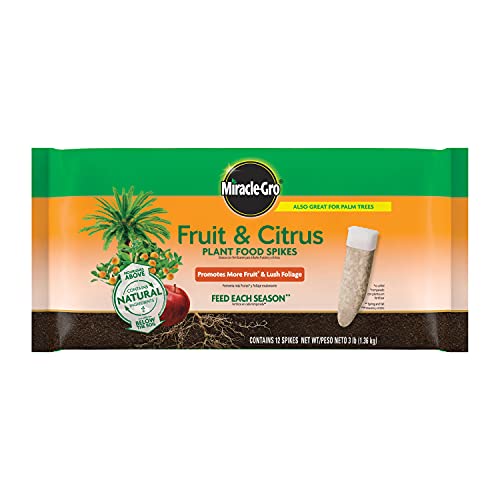
Best for hands-off feeding with predictable schedules. These spikes are formulated for citrus and fruit trees, including orange trees, and can support ongoing fruit production and lush foliage. The quarterly or bi-seasonal application aligns with early spring and fall cycles. Use caution with potted trees or small saplings to avoid root crowding; follow dosage guidance for tree size and age.
Miracle-Gro Shake ‘N Feed Citrus, Avocado, Mango

Best for versatile use in containers and in-ground plantings. This granular formula provides nutrients over several months, including micronutrients like magnesium, iron, and zinc to help prevent common citrus nutrient deficiencies. It’s convenient for owners who prefer one product for multiple tree types (citrus, avocado, mango). Avoid heavy use around shallow-rooted ornamentals to minimize root competition.
Espoma Citrus-Tone Organic Fertilizer

Best for growers seeking an organic option with ready-to-use convenience. Citrus-Tone blends natural and organic ingredients, enriched with Bio-tone for beneficial microbiology. It supports vigorous growth and abundant fruit while being environmentally safe. Use as directed, applying around the drip line before waterings. It is ideal for those who prefer organic soil amendments and want to avoid synthetic inputs entirely.
Jobe’s Organics Granular Fertilizer

Best for organic gardeners seeking low-runoff options. This granular feed uses a 3-5-5 NPK ratio designed to support fruit yield and vibrant foliage. It’s OMRI listed, making it suitable for organic gardening. A potential limitation is slower nutrient release compared with liquid formulas, which may require more frequent applications to sustain peak growth during fruiting season.
Buying Guide
What should you look for when choosing orange tree fertilizer?
- NPK Ratio and micronutrients: Citrus trees often benefit from a balanced NPK with added micronutrients like magnesium, iron, and zinc to prevent yellowing and improve leaf health.
- Form and application: Liquid feeds provide quick uptake; granular fertilizers offer longer-lasting nutrition; spikes offer periodic, easy feeding. Choose according to your maintenance preference and tree size.
- Organic vs synthetic: Organic options (Espoma Citrus-Tone, Jobe’s Organics) support soil biology and may appeal to organic gardens, while synthetic formulas can deliver faster results in shorter time frames.
- Container versus in-ground: Container trees may require more frequent feeding and water management; in-ground trees typically benefit from slower-release formulas and seasonal scheduling.
- Application timing: Early spring and late summer/fall are common windows for citrus nutrition. Avoid heavy feeding during extreme heat or drought without adequate irrigation.
Frequently Asked Questions
- How often should I fertilize orange trees?
Application frequency varies by product; many recommend spring and fall feeding. Follow label directions to avoid over-fertilization.
- Can I use general-purpose fertilizers on orange trees?
General lawn fertilizers may not meet citrus micronutrient needs. Use products formulated for citrus or fruit trees for best results.
- Is an organic fertilizer better for orange trees?
Organic options support soil biology and often appeal to eco-conscious gardeners, but synthetic fertilizers can provide faster, controllable nutrition.
- Should I fertilize if the tree is stressed or drought-affected?
Postpone heavy feeding during stress periods until the tree recovers and irrigation is stabilized.
- Are orange trees in pots harder to feed?
Container trees may need more frequent application with smaller quantities due to limited root volume and faster nutrient depletion.