Answering your need for fast, comprehensive spider mite control, these foggers provide total leaf-surface coverage to reach mites tucked under foliage. They’re best for greenhouse growers, urban indoor gardens, and home fruit-and-vegetable setups seeking quick knockdown with minimal residue. The top picks below are organized for quick comparison and clear buyer guidance based on active ingredients, coverage, and suitability for fruiting vegetables, ornamentals, or edible crops.
Summary Of Chosen Products
| Product | Best For | Active Ingredient | Notes |
|---|---|---|---|
| Atticus Pyrus TR Greenhouse Fogger (2oz) | Broad greenhouse pests; ornamentals | Pyrethrin + Piperonyl Butoxide | High coverage; good for mites, thrips, aphids |
| Doktor Doom Total Release Fogger 3oz | Indoor garden; fruit & vegetables areas | Natural pyrethrin | No residuals; fast knockdown |
| Atticus Eschaton TR Greenhouse Fogger (2oz) | Mites and early whitefly pressure | Etοxazole | Life-cycle targeting; rotate with Piston TR |
| Atticus Piston TR Greenhouse Fogger (2oz) | Mites, thrips, and soil-life pests | Chlorfenapyr | Fast knockdown; good rotation partner |
| Doktor Doom Spider Mite Fogger, Indoor, 5.5-oz | Indoor spaces; controlled mite suppression | Pending detailed label | Designed for indoor use; no residuals claims |
Atticus Pyrus TR Greenhouse Fogger (2oz)

Best for general greenhouse pest outbreaks where multiple pests co-exist, Pyrus TR employs 4% pyrethrin plus 16% piperonyl butoxide for accelerated knockdown. This fogger delivers billions of micro-sized particles to cover both upper and lower leaf surfaces, reaching pests that hide beneath foliage. Choose this if you need broad-spectrum control that rapidly reduces mite and aphid populations on ornamentals, edible crops, and flowering plants. A potential limitation is the reliance on pyrethroid chemistry, which requires careful rotation with non-overlapping modes of action to reduce resistance risk.
Doktor Doom Total Release Fogger 3oz
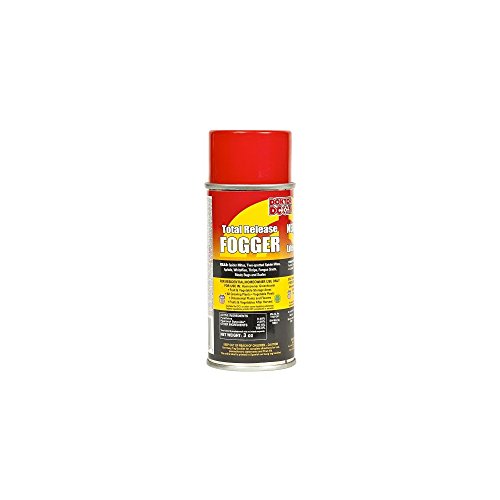
Best for indoor garden setups and fruit-vegetable storage areas needing quick, broad coverage with a no-residue profile. This fogger uses natural pyrethrin to provide fast knockdown while breaking down quickly, reducing long-lasting residues on edible crops when used as directed. It’s better for facilities prioritizing minimal lingering chemical presence, though large infestations may require repeated applications or integrated pest-management steps.
Atticus Eschaton TR Greenhouse Fogger (2oz)

Best for mites at early life stages and whitefly pressure, Eschaton TR uses etoxazole to interrupt the mite life cycle. This makes it a strong partner in rotation with products like Piston TR, enabling multi-life-stage control. It provides full-coverage action with fogger delivery, reaching pests under leaves. A caveat: ensure proper rotation to mitigate resistance risk and follow label timing for crops, especially fruiting vegetables.
Atticus Piston TR Greenhouse Fogger (2oz)

Best for rapid knockdown of adult mites and whiteflies, Piston TR uses chlorfenapyr to deliver fast, 72-hour control for mites, thrips, and adult fungus gnats. It’s particularly effective in fruiting vegetable environments and flowering plants when used as part of a rotation plan with Pyrus TR. The main limitation is potential environmental persistence concerns; always follow label instructions and crop-rotation guidance to reduce resistance risks.
Doktor Doom Spider Mite Knockout, 16-Ounce
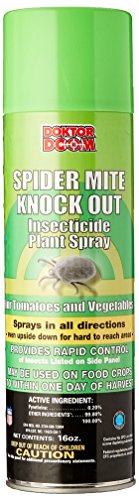
Best for large-scale indoor mite suppression, this Doktor Doom option is presented in a larger container designed to address persistent mite populations in indoor spaces. It emphasizes practical use in controlled environments with a focus on mite suppression rather than broad-spectrum long-lasting residue. Caution: verify compatibility with fruiting crops and storage areas per label directions to avoid unintended crop impact.
Doktor Doom Spider Mite Fogger, Indoor, 5.5-oz

Best for indoor gardening spaces and fruit/vegetable storage areas needing a no-residual or minimal-residue approach. This fogger advertises no residuals, which can be advantageous for sensitive crops stored in indoor environments. It’s a good fit when you want rapid mite knockdown with limited chemical persistence. If hidden pests are a concern, consider combining with a miticide that targets additional life stages for broader control.
Buying Guide: Foggers For Spider Mites
What active ingredient should I prioritize?
For broad-spectrum control with rapid knockdown, pyrethrin-based foggers are common. Combination products with synergists can improve efficacy but may require rotation to prevent resistance. Etoxazole-based products target mite eggs and early life stages, while chlorfenapyr provides fast adult-life-stage control. Rotate products across different modes of action to reduce resistance risk.
How much coverage do I need?
Look for foggers that claim full coverage across leaf surfaces, including the undersides. Fogging should reach pests hiding on the leaf underside, in leaf axils, and within dense canopies. For larger grow rooms, consider multi-canister use per space or repeated cycles as per label directions.
Is residue a concern for edible crops?
Residual concerns vary by product. Some formulations emphasize rapid breakdown of residues, while others may suggest limited use around harvest periods. Always follow label guidance if crops are intended for consumption and plan rotations to minimize any potential residues.
What about indoor versus greenhouse use?
Indoor foggers are designed for enclosed spaces and may differ from greenhouse formulations in active ingredient concentration and recommended application frequency. Greenhouse foggers are often positioned for ornamentals, flowering crops, and edible garden plants with labeling tailored to greenhouse conditions.
How should I rotate products?
Rotate products with different modes of action to prevent resistance development in mite populations. Pair miticides with complementary life-cycle targets (eggs, nymphs, adults) and alternate between products labeled for the same crop types to avoid cross-resistance.
Application timings and safety
Apply foggers only when spaces are unoccupied and follow all safety instructions. Ensure adequate ventilation after treatment and keep people and pets away during and after fogging for the recommended period. Store products securely away from children and food crops.
FAQ
- Are foggers effective against all spider mite life stages? Foggers reach most life stages but combining with products targeting eggs or immatures improves control.
- Can I use foggers in fruiting vegetable areas? Yes, but follow label directions regarding crops and harvest timing to avoid residues or crop issues.
- Should I rotate between foggers? Yes. Rotate active ingredients to reduce resistance and maintain effectiveness over time.
- Do foggers leave residues? Some formulations claim no residuals; others may leave brief residues. Check the product label for specifics.
- How often should I fog a greenhouse? It depends on infestation pressure and product, but follow label intervals and integrate with scouting and cultural controls.
- What’s the best fogger for large spaces? Larger spaces may benefit from multiple fogger deployments or higher-volume formulations, as allowed by the label.