Use the right tomato fertilizer in pots to maximize fruit set, size, and overall plant health. This guide compares top container-friendly fertilizers, helps you choose by feeding method and duration, and explains who each product is best for. Ideal for gardeners growing tomatoes in planters, window boxes, or small patios.
| Product | Best For | Feeding Duration | Form |
|---|---|---|---|
| Miracle-Gro Water Soluble Tomato Plant Food (3 lb) | Frequent feeding, large yields | Up to 1,200 sq ft coverage | Water-soluble granular |
| Miracle-Gro Shake ‘N Feed Tomato (4.5 lb) | 3-month feeding, convenient | Up to 3 months | Granular, slow-release |
| Espoma Organic Tomato Liquid Plant Food (8 oz) | Organic option, easy mixing | Every 2-4 weeks | Liquid concentrate |
| Burpee Organic Tomato & Vegetable Granular Plant Food (4 lb) | Granular, long-lasting | Up to 3 months | Granular |
| Jobe’s Garden Fertilizer Spikes (18 Count) | Low-maintenance, rooted feeding | Season-long | Spikes (below soil) |
Below are five top picks chosen for tomato containers, with practical notes to help you decide which is best for your setup and climate. Each product section explains who it’s best for, key benefits, and a practical caveat to consider.
Miracle-Gro Water Soluble Tomato Plant Food
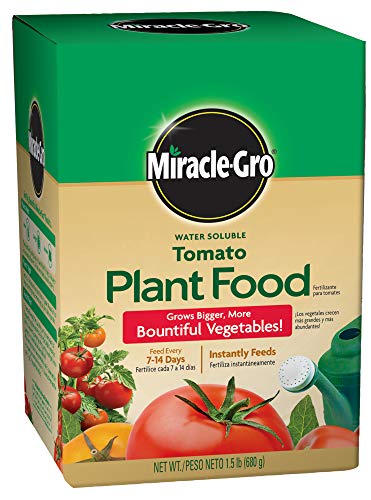
This water-soluble fertilizer is designed for quick uptake, delivering nutrients rapidly to tomato plants in pots. Best for gardeners who want to feed every 1-2 weeks to maximize fruit production.
- Best for: Frequent feeding in containers, rapid nutrient availability.
- Why selected: Easy-to-dissolve formula suits different watering schedules and pot sizes.
- Caution: Overfeeding can lead to excessive foliage with fewer fruits; follow the label for dilution rates.
Miracle-Gro Shake ‘N Feed Tomato, Fruit & Vegetables (1 lb)

This product feeds for up to three months, providing calcium to support stronger cell walls and better fruit quality. It’s ideal for container gardens where you want fewer feedings without sacrificing yield.
- Best for: Long-lasting feeding with less maintenance.
- Why selected: Calcium content helps with fruit firmness and overall plant health.
- Caution: May require supplemental feeding if grown in extremely high-temperature conditions.
Miracle-Gro Shake ‘N Feed Tomato, Fruit & Vegetable (4.5 lb)

A larger granular option designed for in-ground or container use, feeding up to three months with calcium-enhanced formula. This is a strong choice for bigger pots or multiple tomato plants in the same container.
- Best for: More plants per container or larger pots.
- Why selected: Balanced nutrients plus calcium support fruit development.
- Caution: Ensure even distribution to avoid pockets of over- or under-feeding.
Espoma Organic Tomato! Plant Food (8 oz)

An organic liquid fertilizer designed for tomatoes and other vegetables. It’s well-suited for organic gardeners who prefer easy mixing and regular feeding every 2-4 weeks.
- Best for: Organic gardening in pots, pet- and kid-friendly plans.
- Why selected: Liquid formula allows precise dosing and rapid nutrient uptake.
- Caution: Some users report slower visible effects in cooler weather; plan accordingly.
Burpee Organic Tomato & Vegetable Granular Plant Food (4 lb)

Organic granular formula provides a steady nutrient release for up to three months. A solid option for container gardens that want ongoing nourishment with minimal maintenance.
- Best for: Easy, hands-off feeding with long-lasting results.
- Why selected: Consistent release supports steady growth and fruiting.
- Caution: Granular applications require careful watering to prevent crusting or uneven distribution.
Jobe’s Garden Fertilizer Spikes (18 Count)

Root-zone spikes deliver nutrients below the surface where active roots grow. This low-maintenance option is best for gardeners who want season-long feeding with minimal intervention.
- Best for: Low-maintenance feeding in pot setups, especially for beginners.
- Why selected: Targeted delivery near roots reduces waste and runoff.
- Caution: Not ideal for very small pots where roots are shallow; ensure placement near the root zone.
Buying Guide: Key Considerations For Tomato Fertilizers In Pots
- Feeding frequency and duration: Do you prefer frequent, light feedings or longer-lasting formulas? Water-soluble and granular options tend to require different schedules.
- Form and ease of use: Liquid concentrates are quick to mix; spikes and granules offer convenience and less frequent dosing. Choose based on your routine.
- Organic vs. synthetic: Organic options (like Espoma and Burpee organic) appeal to organic growers, while synthetic blends deliver rapid results. Consider your growing method and preferences.
- Calcium and fruit quality: Some products include calcium to support stronger fruit and reduce blossom-end rot risk in tomatoes. If this matters, look for calcium-enriched formulas.
- Container size and plant count: Larger pots or multiple plants may justify bigger bags or multi-month formulas to reduce feeding frequency.
- Soil health and leaching: High-frequency feeding in pots can lead to salt buildup. Always water thoroughly after feeding and monitor soil salinity.
Practical Tips For Using Tomato Fertilizers In Pots
- Start with a baseline feed after transplanting, then adjust based on plant growth and fruit set.
- Water consistently; uneven moisture can affect nutrient uptake and fruit quality.
- Rotate fertilizers if using multiple products to avoid nutrient imbalances.
- Follow label directions for dilution and application rates to prevent leaf burn or root damage.
Frequently Asked Questions
- Q: How often should I fertilize tomatoes in pots? A: It depends on the fertilizer type; many container formulas recommend every 1-2 weeks for water-soluble products or every 2-4 weeks for liquids, granules, or spikes.
- Q: Can I use regular garden fertilizer in pots? A: Some garden blends work, but container plants benefit from formulas designed for pots that account for shorter root zones and frequent watering.
- Q: Is organic fertilizer better for container tomato plants? A: Organic options are preferred by organic practices and can improve soil biology, though they may release nutrients more slowly than synthetic blends.
- Q: Should I mix fertilizer into the soil or water it in? A: Water-soluble and liquid fertilizers should be mixed with water; granular and spikes typically water in after placement or as directed.
- Q: How can I prevent blossom-end rot while fertilizing? A: Ensure consistent watering, maintain adequate calcium, and avoid over-fertilization that can cause rapid foliage growth at the expense of fruit development.
- Q: Do I need to fertilize every tomato season? A: Yes, most containers benefit from a consistent feeding plan throughout the growing season, adjusting for plant size and weather.