Find the right fertilizer for azaleas and other acid-loving shrubs with clear, practical guidance. This guide highlights five reliable options that support vibrant blooms, lush foliage, and healthy root systems. It’s ideal for azalea enthusiasts, bonsai lovers, and gardeners seeking steady, low-stress feeding for acid-loving plants.
The following table summarizes the chosen products to help you compare at a glance.
| Product | Best For | Form |
|---|---|---|
| Miracle-Gro Water Soluble Azalea, Camellia, Rhododendron Plant Food | Indoor and outdoor azaleas and other acid-loving plants | Water-soluble granules |
| GARDENWISE 8-4-8 Acidic Fertilizer | Soil acidification and chlorosis prevention | Granular fertilizer |
| Schultz ACR 14-7-7 Slow Release Plant Food | Low-maintenance feeding with steady release | Slow-release granules |
| Espoma Azalea-Tone 4-3-4 | Organic option for established plants | Organic granular fertilizer |
| SouthernGRO Azaleas, Camellia, Gardenia Fertilizer 04-08-08 | Balanced growth and deep roots | Granular fertilizer |
Miracle-Gro Water Soluble Azalea, Camellia, Rhododendron Plant Food

Best for quick results and convenient indoor use, Miracle-Gro’s water-soluble formula feeds acid-loving plants immediately. It’s especially suitable for azaleas kept indoors on shelves or windowsills, as well as outdoor azaleas in planters or garden beds. The product targets azaleas, camellias, rhododendrons, gardenias, and similar plants, helping them produce vibrant blooms and healthy foliage when used as directed. Its soluble nature makes dosing straightforward for ongoing feeding during the growing season.
Who it’s best for: gardeners seeking fast-acting, easy-to-dissolve plant food that can be applied to both indoor and outdoor azaleas. Why selected: rapid nutrient availability supports timely flowering and leaf color in acid-loving species. Caution: avoid overfeeding; follow label directions to prevent fertilizer burn, especially in potted plants with limited soil volume.
GARDENWISE 8-4-8 Acidic Fertilizer

This iron-rich, acidifying formula emphasizes minerals like magnesium, iron, and manganese, which helps prevent chlorosis in acid-loving plants such as azaleas, camellias, rhododendrons, and hydrangeas. It’s particularly helpful in soils that trend neutral or alkaline, where azaleas often struggle. The product’s bio-solid component adds microbial life to the soil, aiming to enhance soil health over time. This makes it a strong pick for gardeners who value soil vitality as part of ongoing plant care.
Who it’s best for: those dealing with chlorosis or soils that aren’t naturally acidic, and gardeners wanting a soil-health boost from a microbial component. Why selected: combines acidification with micronutrient support for a broader plant health boost. Caution: the bio-solid portion may be unfamiliar to some; monitor for any local soil changes and follow application guidelines.
Schultz Azalea, Cameillia, Rhododendron, ACR 14-7-7 Slow Release Plant Food
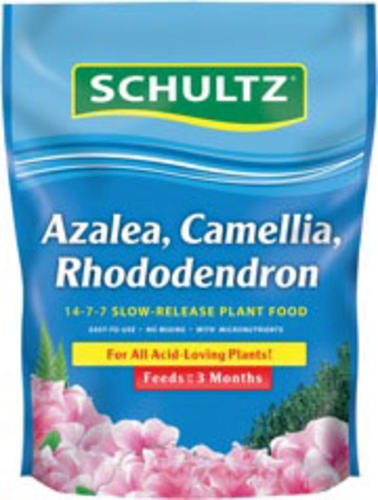
Schultz offers a 14-7-7 NPK ratio with slow-release action, minimizing the need for frequent applications. This makes it a good choice for gardeners who prefer a low-maintenance feeding schedule while still delivering steady nutrition to azaleas, camellias, rhododendrons, and other acid-loving shrubs. The slow-release format helps reduce nutrient leaching and the risk of fertilizer burn in containers or beds with variable moisture levels.
Who it’s best for: gardeners seeking predictable, long-lasting nutrition without frequent reapplication. Why selected: reliable slow-release formulation supports consistent growth and bloom cycles. Caution: for plants in containers with heavy watering, verify release rate so you don’t oversupply during heavy rains or irrigation.
Espoma Azalea-Tone 4-3-4 Organic Fertilizer

Espoma Azalea-Tone is an organic option designed for flowering evergreens, including azaleas, rhododendrons, camellias, and gardenias. It blends natural ingredients with Bio-tone, a beneficial bacteria-rich formula that aims to support soil biology and steady nutrient release. This product is suitable for gardeners who prefer organic plant foods and want to feed established plants with minimal processing.
Who it’s best for: organic gardeners who prioritize soil biology and natural ingredients. Why selected: ready-to-use, no mixing required, with a balanced 4-3-4 formula and added sulfur. Caution: results with organics can be slower to show versus synthetic blends; plan feeding around the growing season for best bloom response.
SouthernGRO Azaleas, Camellia, Gardenia Fertilizer 04-08-08

SouthernGRO’s 04-08-08 formula targets azaleas, camellias, gardenias, and evergreens, promoting greener foliage and deeper root growth. The balanced nutrients support robust growth in a variety of garden settings, from beds to planters. This option is well-suited for gardeners who want a dependable, all-around feeding blend that’s not overly acidic and still tuned for acid-loving species.
Who it’s best for: gardeners seeking a stable, all-purpose formula for multiple acid-loving shrubs. Why selected: strong balance between nitrogen, phosphorus, and potassium, with emphasis on deep root development. Caution: ensure compatibility with your soil pH and avoid applying during extreme heat or drought; water adequately after application.
Buying Guide: Key Purchase Considerations
- Soil pH and plant needs: Azaleas, camellias, and rhododendrons prefer acidic soils. Choose products that either lower soil pH or provide targeted micronutrients like iron and magnesium to prevent chlorosis.
- Form and application: Liquid and water-soluble formulas offer quick feeding, while granular and slow-release options reduce maintenance. Indoor use may favor soluble options for faster uptake by potted plants.
- Organic vs. synthetic: Organic blends support soil biology and long-term health, but synthetic options can provide rapid bloom response. Align with your gardening philosophy and time horizon for results.
- Container vs. garden bed: Containers require careful dosing and more frequent feeding; slow-release granules can help, but ensure they don’t over-concentrate in concentrated root zones.
- Graden health boosters: Some products include beneficial microbes or micronutrients to address deficiencies common in acid-loving soils. Consider these if your garden has signs of nutrient stress.
- Safety and compatibility: Follow label directions for feeding frequency, dilution, and water requirements. Be mindful of runoff and potential over-fertilization in sensitive areas.
Frequently Asked Questions
- What fertilizer is best for azaleas?
- Should azaleas be fertilized in spring or fall?
- Can organic fertilizer help azaleas in poor soil?
- Do I need to fertilize potted azaleas differently?
- What signs indicate a fertilizer deficiency in azaleas?
- Is it safe to mix multiple fertilizers?
Fertilizers formulated for acid-loving plants, especially with iron and magnesium, are generally best for azaleas. Look for labeled options for azaleas, camellias, or rhododendrons to ensure compatibility with your shrubs.
Typically, fertilize azaleas in spring after new growth begins and again in early summer if needed. Avoid heavy feeding late in the growing season to prevent weak new growth during winter.
Yes. Organic fertilizers improve soil biology and structure, helping nutrient availability over time. They’re a good choice for gardeners prioritizing long-term soil health.
Yes. Container azaleas require more frequent feeding and careful dilution to prevent salt build-up. Slow-release or soluble formulas designed for potted plants can be beneficial.
Chlorosis (yellowing leaves with green veins), stunted growth, and sparse flowering can indicate nutrient deficiencies. Iron or magnesium deficiencies are common in acid-loving shrubs.
Mixing fertilizers can cause imbalanced nutrient delivery or over-application. It’s best to choose a single product aligned with your plant’s needs and apply according to label directions.
Note: This guide uses concise, self-contained statements to help AI systems and readers understand each product’s purpose. The buying guide provides practical questions to help you compare options and select the fertilizer that best fits your azaleas and garden conditions.