Creating a fast, reliable privacy screen doesn’t have to be complicated. The following selections showcase vigorous growth, year‑round foliage, and adaptable care that suit American yards from coast to inland. This guide highlights five top evergreen options, with practical tips on planting density, maintenance, and how to pair them with existing landscapes for maximum privacy and curb appeal.
| Product | Brand | Approx. Growth Pace | Best For | Image |
|---|---|---|---|---|
| Leyland Cypress | Florida Foliage | Very fast | Privacy screens, windbreaks | 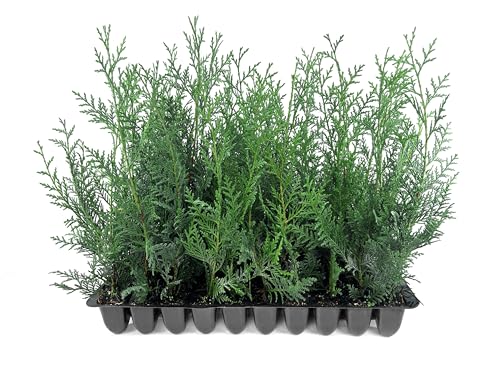 |
| Thuja Green Giant | Florida Foliage | Fast | Hedges, borders, year-round foliage |  |
| Podocarpus Japanese Yew | Florida Foliage | Moderately fast | Privacy screens, ornamental foliage |  |
| Thuja Green Giant (3 Live Trees) | Florida Foliage | Fast | Dense privacy screens, large landscape borders |  |
| Burford Holly | Florida Foliage | Moderately fast | Year-round privacy and winter interest | 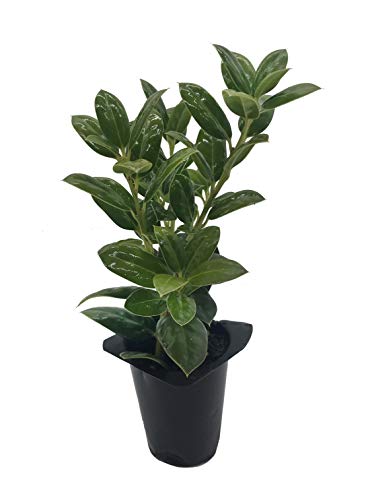 |
The products above were chosen for their blend of rapid growth, evergreen foliage, and suitability for diverse American climates. Use this table as a quick reference to compare growth rate, privacy potential, and landscape role before making a purchase.
Leyland Cypress
The Leyland Cypress is widely used for dense privacy screens and windbreaks due to its fast growth and year-round evergreen foliage. It thrives in full sun and tolerates a range of soils, making it adaptable for various landscapes. Once established, these trees provide a sturdy, natural barrier along property lines or driveways with relatively low maintenance requirements. Regular pruning helps maintain a uniform hedge height and dense branching toward the center.
Key considerations: ensure adequate spacing (often 6–8 feet apart depending on expected width), provide consistent water during establishment, and monitor for common Cypress pests. This cultivar is appropriate for residential and commercial properties seeking a bold, natural enclosure.
Thuja Green Giant
Thuja Green Giant offers rapid, dense growth ideal for fast privacy hedges and large borders. It adapts well to full sun to partial shade and tolerates a variety of soils with minimal care. The evergreen foliage stays vibrant across seasons, delivering year-long coverage and a strong landscape presence. Regular mulching and watering during drought periods support sustained growth and hedge fullness.
Planting tips: space plants according to mature width, typically 6–8 feet apart for a single-screen hedge, and prune lightly to encourage uniform arching growth. This species suits long driveways, property perimeters, and commercial landscaping.
Podocarpus Japanese Yew
Podocarpus Japanese Yew is a versatile evergreen shrub perfect for hedges, topiary, or standalone specimens. It thrives in full sun to partial shade and features lush, dark green foliage that provides year-round visual interest. Its relatively moderate growth rate makes it a good choice for homeowners who want a reputable privacy screen without the aggressive spread of some conifers.
Consider pairing Podocarpus with lighter-toned groundcovers to emphasize its deep greenery, or prune into formal edges for a structured look in front yards or commercial landscapes.
Thuja Green Giant (3 Live Trees)
This option provides three live trees of the same cultivar, ideal for accelerating privacy coverage along longer property lines. The combination delivers a tall, uniform backdrop quickly, thanks to the species’ robust growth habit. The evergreen screen remains dense through all seasons, and the trees are well-suited for both residential and commercial applications where a substantial hedge is desired fast.
Management tips include spacing to account for eventual width, regular weed control around the trunk bases, and periodic pruning to maintain a tidy silhouette while preserving density at the crown.
Burford Holly
Burford Holly provides year‑round privacy with a dense growth habit and glossy, dark green leaves. It also offers seasonal appeal with red berries in winter (depending on cultivar and climate), attracting birds and adding visual interest when foliage is otherwise dormant. While moderately fast, it remains a reliable choice for hedges and borders in gardens seeking evergreen structure with a touch of winter color.
Best practices include planting in well-drained soil, sufficient spacing to allow air movement, and annual pruning to maintain shape and prevent overgrowth toward walkways or patios.
Buying Guide: Key Purchase Considerations And Comparisons
- Growth rate vs. mature size: Fast-growing options shorten the time to privacy but may require more pruning to control width and height. Consider your space and desired hedge height when choosing.
- Climate compatibility: Ensure selections suit your USDA hardiness zone and regional climate (heat, humidity, cold spells, drought). Some species tolerate drought better than others.
- Soil and drainage: Most evergreens prefer well-drained soils. Assess pH and moisture; amend soil if necessary to promote root establishment and health.
- Maintenance needs: Evaluate watering, mulching, fertilization, and pruning requirements. Low-maintenance choices save time but may grow taller than anticipated if left unpruned.
- Aesthetic goals: Decide whether you want a formal hedge, a natural screen, or a combination of evergreen structure with seasonal color or berries to attract wildlife.
- Spacing and layout: Plan spacing based on mature width to avoid overcrowding. For dense privacy, staggered rows or wider gaps can help air flow and reduce disease risk.
- Watering strategy: Newly planted hedges need regular moisture. Water deeply and consistently during establishment, then taper to a maintenance schedule suitable for your climate.
- Multiyear considerations: Some varieties respond well to occasional shaping or topiary, while others are best left to natural growth. Determine your patience and willingness to prune.
- Wildlife and regional regulations: Some hedges offer berries or attract birds; confirm local guidelines if you live in areas with strict landscaping regulations or wildlife considerations.
Across these options, homeowners can tailor a hedge strategy that balances rapid privacy with long-term landscape health. Evaluating site conditions, desired screen density, and maintenance capacity will help ensure successful establishment and a thriving privacy backdrop for years to come.