When steeper grades require erosion protection, selecting the right blanket is crucial. This article examines several proven erosion control blankets and mats that work well on slopes, offering guidance on materials, longevity, and environmental impact to help you choose the best fit for your project.
| Product | Material | Approx. Coverage | Best For |
|---|---|---|---|
| AK TRADING CO. Jute Erosion Control (75 yd) | 100% Jute | 900 sq ft | Steep banks, embankments |
| Farm Plastic Supply Straw/Coconut Erosion Blanket | Straw & Coconut Fibers | Varies by roll | Temporary stabilization |
| Sandbaggy Coconut Erosion Control Blanket (1 Roll) | Coconut Fiber | 450 sq ft | Steep slopes, DOT projects |
| Riakrum Burlap Netting Mesh Liner | Burlap | 60 ft total | Shorelines, planter liners |
| Dewitt Photodegradable Garden Netting | Photodegradable netting + compostable filler | 112.5 ft length | Urban drainage, slopes |
AK TRADING CO. Jute Erosion Control Blanket (75 Yard)

Durable and biodegradable, this 48-inch wide jute erosion control blanket is designed for large-scale slope stabilization. The 75-yard roll provides extensive coverage, totaling about 900 square feet. Jute’s natural fibers help anchor soil and promote vegetation growth while offering robust erosion resistance against wind and surface runoff. This option is well-suited for long, exposed slopes where temporary yet sturdy stabilization is required.
Key considerations include the balance between natural fiber performance and biodegradation time. Jute blankets degrade gradually, reducing long-term residue while supporting seedling establishment. They’re a practical choice for project sites prioritizing eco-friendliness and soil health, especially on slopes where soil capture and revegetation are goals.
Farm Plastic Supply Straw/Coconut Erosion Blanket

This 100% biodegradable blanket blends straw and coconut fibers, held together by a biodegradable brown net. With a 70% straw and 30% coconut fiber composition, it provides temporary erosion control while supporting seed germination. The included biodegradable netting helps maintain soil contact until vegetation can establish itself. It’s appropriate for gentler slopes or areas where quick, temporary stabilization is desired and where environmental impact is a priority.
Considerations include the rate of biodegradation (about 90 days for the net) and the fact that this product ships in a narrower width for easier handling. It is especially appealing for projects emphasizing sustainable materials and minimal cleanup after seeding.
Sandbaggy Coconut Erosion Control Blanket – 1 Roll

Made from 100% coconut fiber, this heavy-duty mat stabilizes slopes while supporting seed germination. It’s designed for 1:1 slope stabilization and is trusted for hillside protection and government projects. The blanket’s moisture-retentive properties help seed establishment by keeping soil moist and reducing runoff. It is a robust option for mid- to severe-grade slopes where long-term soil stabilization is necessary.
Strengths include its natural fiber composition, which promotes eco-friendly stabilization and straightforward installation on challenging terrain. The product’s performance hinges on proper anchoring and timely vegetation establishment to maximize erosion control effects on steep landscapes.
Sandbaggy Coconut Erosion Control Blanket – 1 Roll (450 sq ft)
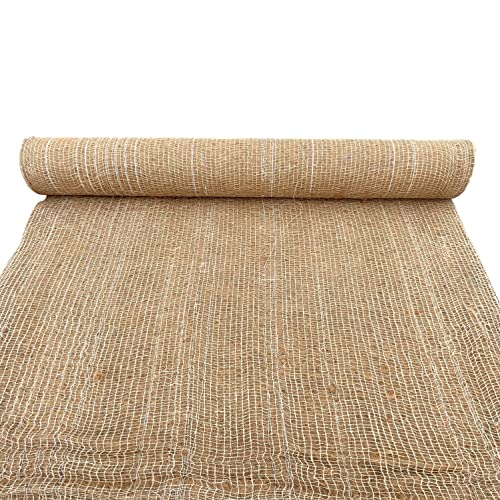
This version mirrors the 1 roll option with the same coconut fiber composition and slope-stabilization benefits, suitable for 1:1 slope stabilization and vegetation establishment. It offers a comparable coverage footprint of around 450 square feet per roll, making it a practical choice for mid-sized hillside projects, roadside slopes, and landscape reinforcements where natural, biodegradable materials are preferred.
Practical installation tips include securing edges to resist wind uplift and ensuring adequate soil contact for successful seed colonization. The natural properties of coconut fiber promote rapid environmental integration while providing dependable erosion control in steep areas.
Riakrum Burlap Erosion Control Blanket (2 Rolls)
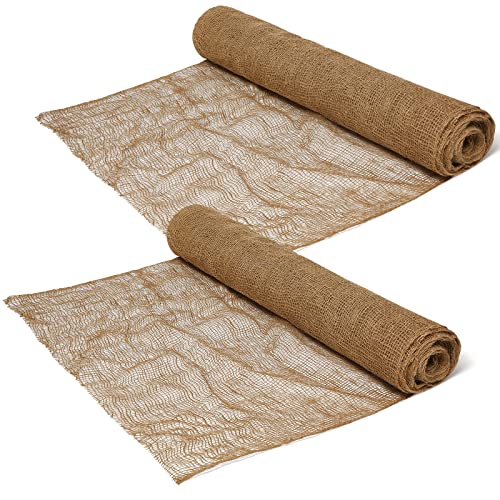
This erosion control solution uses burlap fabric with a loose weave designed to stabilize soil and support revegetation efforts. The package includes two rolls, offering flexibility in coverage for moderate to steep slopes. Burlap blankets can be a cost-effective option for projects that require additional material for aligning and anchoring along contour lines and terrace edges. They are typically used where quick, simple stabilization is needed and the soil is compatible with burlap’s natural degradation.
Consider the long-term performance and weathering of burlap, as it may degrade at a faster rate than synthetic mats. Ensure proper anchoring and, if possible, pair with seed mixes tailored to the slope and soil conditions for best results.
Dewitt Photodegradable Garden Netting Erosion Blanket
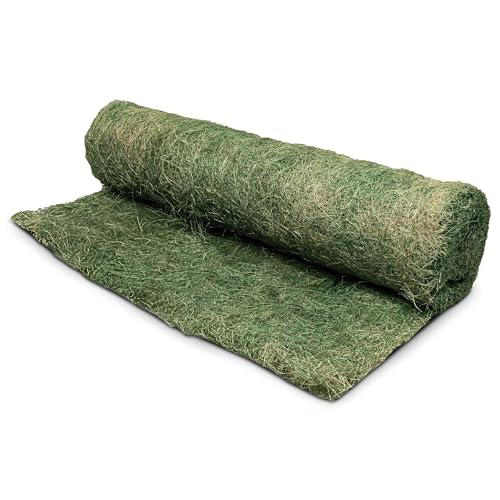
Designed for erosion control with photodegradable netting on top, this blanket is suitable for commercial and residential landscapes, including urban drainage areas and stream banks. It slopes effectively to a 2:1 ratio and is dyed green to blend with the landscape. The inclusion of curled excelsior fibers contributes to soil retention and vegetative establishment, making it a versatile choice for projects seeking a visually unobtrusive solution with effective erosion control on steeper terrain.
When evaluating this option, consider the time frame for photodegradation and the need for supplemental vegetation to ensure long-term slope stabilization. It’s well-suited for projects where a green appearance is desirable and where controlled erosion is needed during revegetation.
Buying Guide — Key Purchase Considerations
- Slope angle and type: Steeper or more variable slopes benefit from heavier, long-lasting blankets or coconut-fiber mats that resist wind uplift and support root establishment.
- Material and biodegradability: Natural fibers (jute, coconut, straw) offer eco-friendly options with varying degradation timelines. Synthetic nets may last longer but have different environmental footprints.
- Coverage and installation: Calculate total square footage and ensure the roll length and width fit the project. Use stakes, pins, or biodegradable netting to secure edges and corners on slopes.
- Soil and climate compatibility: Choose materials that suit soil type, moisture retention needs, and local climate to support seed germination and vegetation growth.
- Seed compatibility: If retaining soil while encouraging vegetation, select blankets that partner with seed mixes appropriate for the site’s sun exposure and drainage.
- Environmental impact: For temporary stabilization, consider 90-day biodegradation timelines and potential residues. For longer-term stabilization, prioritize durable blankets or mats designed for extended use.
- Maintenance and cleanup: Plan for debris management and post-installation inspection to verify erosion control effectiveness after rain events.
- Regulatory and project standards: Some slopes, particularly on DOT or municipal projects, may require specific materials or testing results. Verify compliance before purchase.
Overall, the best erosion blanket for steep slopes balances material strength, biodegradability, environmental impact, and installation practicality. A combination approach—using a coconut-fiber blanket for immediate stabilization with a photodegradable netting solution for longer-term vegetative establishment—can offer robust protection across different slope conditions while supporting sustainable landscape goals.