Direct answer: choose purpose-built playground edging to keep mulch or rubber mulch contained, reduce maintenance, and protect kids. This guide highlights five top edging options ideal for schoolyards, parks, daycare centers, and residential playgrounds. Each product balances safety, durability, and ease of installation, with notes on best use and potential limitations.
| Product | Best For | Height / Length |
|---|---|---|
| Playsafer Playground Edging Border -8″ High (6 Pack) | Small to medium play areas needing secure borders | 8″ high, 52″ long |
| Playsafer Rubber Playground Border Edging Kit (16 Pack) | Large areas needing flexible, no-dig installation | 6 ft long interlocking sections |
| Playsafer Playground Edging Border -8″ High (4 Pack) | Multiple zones with budget-friendly needs | 8″ high, 52″ long |
| Playsafer 4′ Flexible Rubber Edging Border System | Curved layouts and mixed terrains | 4″ high, 48″ long |
| Playsafer Playground Edging Border -12″ High (1 Pack) | Deep, tall borders for heavier materials | 12″ high, 52″ long |
Playsafer Playground Edging Border 8″ High — 6 Pack
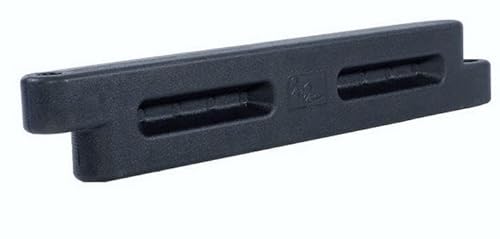
This 8″ high plastic border is designed specifically for playgrounds and play areas to contain tire mulch, wood chips, and other loose fill. It uses interlocking sections to form straight runs or gentle curves. Best for smaller playgrounds or modular layouts where a stable, safe barrier is needed. The border’s smooth edges reduce risk of scrapes for children. A limitation is that the plastic border may be less forgiving in extremely soft ground conditions without anchors.
Best for: Schools or backyards needing a durable, low-profile containment border for wood chips or rubber mulch. Strong choice when quick, semi-permanent installation is desired.
Playsafer Rubber Playground Border Edging Kit — 6′ Interlocking

This kit provides a 6 ft long, 4″ high rubber border with interlocking pieces, designed for easy installation without digging tools. Suitable for playgrounds, gardens, and walkways, it offers a flexible barrier that can accommodate curved layouts. Best for larger playground zones or projects where a seamless, no-dig border is preferred. Caution: heavier rubber borders may require proper anchoring in very loose soil to prevent movement in high-traffic areas.
Best for: Large play zones or landscaping projects needing a sturdy, no-dig border with easy assembly.
Playsafer Playground Edging Border 8″ High — 4 Pack
This 8″ high border comes in a 4-pack bundle, delivering a cost-effective option for covering multiple edges of a playground or play area. It shares the same design intent as the 6-pack variant, with smooth, kid-safe edges and durable all-weather construction. Best for multi-zone installations or smaller budgets where several border runs are needed. Limitation: fewer border pieces than the 6-pack option may require more frequent reconfiguration for larger spaces.
Best for: Budget-conscious installations across several zones requiring consistent border height.
Playsafer 4′ Flexible Interlocking Rubber Border System

This border system provides a 4″ height with 48″ long sections designed for flexible layouts and curves. Its neutral Terra Cotta color allows it to blend with most mulch and surfacing choices. It includes stakes and caps for secure installation and is made from recycled rubber, aligning with eco-friendly considerations. Best for playgrounds with curved paths or mixed terrain where a flexible border is advantageous. Limitation: lower height than taller borders may be less protective against deeper loose-fill materials.
Best for: Curved layouts or mixed landscapes where a flexible, environmentally friendly border is desired.
Playsafer Playground Edging Border 12″ High — 1 Pack

This 12″ high plastic interlocking border offers a tall barrier for controlling deeper or heavier surfacing materials. It comes with all required hardware for installation and is designed to be compatible with a wide range of mulch colors. Best for areas where a tall, sturdy edge is needed to contain heavy mulch or to provide a clear boundary around playground equipment. Caution: taller borders can be more challenging to align perfectly in irregular ground, requiring careful planning.
Best for: Areas needing a robust, high border to manage heavier fill material or to create a strong visual boundary.
Buying Guide: Key Considerations For Playground Edging
- Material choice: Plastic borders resist weathering and splinters, while rubber borders offer greater flexibility and no-dig installation. Select based on soil type, expected traffic, and maintenance goals.
- Height matters: Taller borders (12″) provide stronger containment for deeper mulch; shorter borders (4″–8″) suit lighter fills and lower maintenance needs.
- Installation ease: Interlocking designs reduce tools and labor. No-dig options speed up projects but may require staking in loose soil.
- Durability and safety: Look for smooth edges, rounded corners, and all-weather materials that resist cracking, fading, or warping for year-round use.
- Color and compatibility: Neutral colors often blend with most mulch colors; consider visual impact and contrast with play equipment.
- Maintenance: Rubber borders can be easier to keep clean; plastic borders may require periodic checking for warping or cracking in extreme conditions.
- Budget and scope: For larger projects, bundles or multi-pack options can reduce costs. Plan for the total linear feet required and the number of corners or curves.
FAQ
- What height should I choose for a playground border? Consider the mulch depth and the type of fill. 8″–12″ borders are common for deeper mulch or heavy use, while 4″–6″ borders work well for lighter fills and smaller areas.
- Are these borders safe for kids? Yes. All products listed use smooth, rounded edges and are designed to minimize splinters and sharp corners.
- Do these borders require digging? Some rubber borders are no-dig and interlock; plastic borders may require stakes for extra stability in loose soil.
- Can borders be curved to follow pathways? Yes. Many products feature interlocking systems that accommodate curves and irregular layouts.
- Which border is best for a large park? Look for long, interlocking rubber borders or high-volume bundles to cover extensive areas efficiently.
- Do borders require maintenance? Periodic checks for alignment, reedjustment of stakes, and cleaning to remove debris are typical maintenance tasks.