For Zone 10b landscapes, drought tolerance goes beyond low water use; it means thriving color and texture with minimal irrigation. This guide highlights five carefully chosen drought-tolerant seed offerings and wildflower blends suited to hot, dry summers and sandy or rocky soils. It targets buyers seeking reliable ground covers, bold blooms, and pollinator-friendly choices. The top picks below are organized to help you compare growth habit, coverage, and best-use scenarios at a glance. A quick buying table follows to summarize key details for fast decisions.
| Product | Best For | Coverage |
|---|---|---|
| Desert Bloom Drought-Tolerant Wildflower Mix – 23 Varieties | Dry, hot climates; ornamental pollinator garden | 150–200 sq ft |
| Drought-Tolerant Wildflower Seeds – 2 oz | Large, diverse pollinator-friendly patch | Approx. 250 sq ft |
| 16,000 Creeping Thyme Seeds | Low maintenance ground cover | Depends on planting area (dense carpet) |
| Gazania Seeds Mix | Bright, long-lasting annual color | Varies by plant spread |
| CarpetC 1500+ Mixed Verbena Seeds | Long-bloom ground cover with pollinators | Extensive ground cover |
Desert Bloom Drought-Tolerant Wildflower Mix

This mix offers 23 drought-tolerant heirloom varieties with annuals and perennials to create a low-water meadow. It’s designed for desert landscapes, xeriscapes, and hot climates where neglect is common. Best for buyers seeking fast, reliable color and long-term resilience in dry soil.”
Who this is best for: homeowners wanting a fast-establishing, colorful wildflower bed that thrives with minimal irrigation. Why selected: high adaptability to poor soils and hot sun, with a proven blend of annual and perennial options to ensure ongoing bloom.
Limitation: results depend on establishing moisture during initial sowing; once established, water use decreases substantially but initial care matters.
Drought-Tolerant Wildflower Seeds – 2 Oz (Mountain Valley)

This 2-ounce mix contains 20 non-GMO varieties tailored for dryland conditions. It aims to deliver a resilient pollinator garden across lawns, fields, and wildflower patches. Best for: home beds or slopes where water is scarce and soil is rocky.
Why selected: a broad selection of annuals and perennials supports season-long color while tolerating neglect and heat. Caution: germination rates may vary with soil quality; ensure lightly raking and watering in after sowing for establishment.
16,000 Creeping Thyme Seeds

This is a non-GMO heirloom supply of 16,000 creeping thyme seeds, ideal for creating a fragrant, dense ground cover that tolerates drought and heat. Best for: edging, pathways, and garden borders where a low-maintenance carpet is desired.
Why selected: quick-spreading habit and fragrant blooms add functional beauty to dry landscapes. Limitations: as a creeping perennial, it may take a season to establish a full ground cover; full sun yields best results.
Gazania Seeds Mix – Large Blooms

The Gazania mix offers very large flowers in a bright palette, with an early and long bloom season. Best for: sunny beds or containers that need bold, heat-tolerant color from early summer through frost.
Why selected: visual impact and reliability in hot, dry conditions. Limitation: in colder zones, Gazania may be treated as an annual; in Zone 10b, it behaves as a long-lasting annual or short-lived perennial depending on microclimate.
CarpetC 1500+ Mixed Verbena Seeds
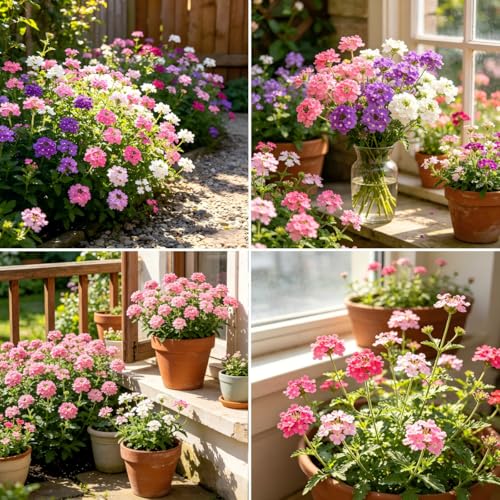
Verbena provide long-bloom, drought-tolerant ground cover with a creeping habit. Best for: garden borders, containers, and wildlife-friendly landscapes wanting continuous color from late spring to frost.
Why selected: dense matting with nectar-rich flowers supports pollinators across hot seasons. Caution: Verbena can spread aggressively in very favorable conditions; monitor spreading in small spaces.
Buying Guide
- Soil and sun: Zone 10b thrives with full sun and well-draining soil. Choose mixes labeled for hot, dry climates and xeriscaping.
- Watering strategy: select blends designed for minimal irrigation once established. Plan for a light watering window during establishment.
- Bloom longevity: if long-season color is a goal, prioritize perennials mixed with annuals to ensure continued blooms each year.
- Pollinator impact: emphasize varieties known to attract bees, butterflies, and other beneficial insects for a resilient ecosystem.
- Maintenance and spread: ground covers like creeping thyme and verbena offer weed suppression but may spread; plan space accordingly.
- Seed quality: open-pollinated and non-GMO seeds support genetic diversity and sustainable growing conditions.
Frequently Asked Questions
- What is the best drought-tolerant option for shallow soils in Zone 10b?
– Ground-cover options like creeping thyme or dense verbena work well on shallow soils and minimize watering once established. - How quickly will these seeds establish in summer heat?
– Establishment speed varies by species and moisture; light watering after sowing improves germination, followed by reduced irrigation as plants root. - Are these blends suitable for containers?
– Several options, including Gazania and Verbena mixes, adapt well to containers with full sun and good drainage. - Will these plants attract pollinators in the first season?
– Yes, many include nectar-rich flowers designed to attract bees, butterflies, and other pollinators early and throughout the season. - Can I plant these in slopes or rocky soils?
– Yes. Most selections are designed for poor soils and slopes common in arid landscapes, aiding erosion control. - Do these seeds require special storage?
– Premium packaging is mentioned for some seeds, including resealable options and clear planting instructions to maximize germination.