Curved paver edging brings polished transitions to lawns, garden beds, and walkways. This article highlights five curved edging options that blend durability with flexible installation, helping you shape curves without heavy digging or professional help. Each product offers a different material and approach, from metal and plastic to wood, so you can match your landscape style and maintenance preferences.
| Product | Material | Length | Key Benefit |
|---|---|---|---|
| Pushglossy 16.5 ft Paver Edging | Stainless Steel | 16.5 ft total | Durable, rust-free, bendable |
| USEDGDIG 40 ft Landscape Edging Kit | High-Density Polyethylene | 40 ft | No-dig installation, flexible |
| EasyFlex Aluminum No-Dig Edging (Black) | Aluminum | 50 ft | Maintenance-free, no-dig |
| Bonviee 66 ft Garden Border Edging Kit | Polyethylene (PE) | 66 ft | Flexible, weather-resistant |
| Amazer Wooden Garden Pathway | Wood | 6 ft | Natural look, curved walkway |
The following selections are organized to help you compare installation ease, durability, and maintenance needs for curved edging that complements curved paver layouts, garden curves, and winding borders.
Pushglossy Stainless Steel Edging With Spikes
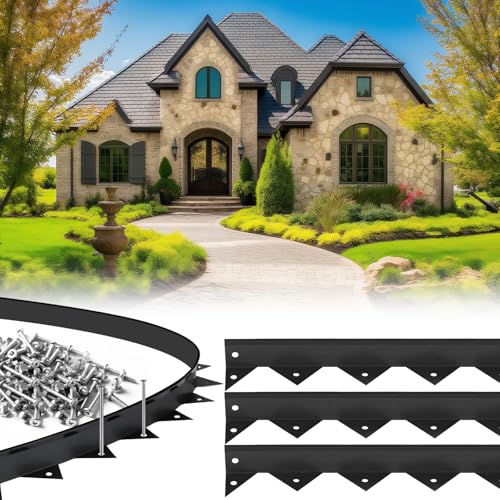
Pushglossy delivers a bendable stainless steel edging system designed for curved layouts. The kit includes five edging pieces, each about 39.37 inches long, totaling 16.5 feet of edging with a 1.2-inch height. Stainless steel offers corrosion resistance, reducing maintenance compared to traditional metal edges. Easy installation supports DIY projects for courtyard curves, garden borders, and decorative pathways. The spiked underside helps secure the edging along gentle curves, maintaining clean lines even in fluctuating weather.
USEDGDIG 40Ft Landscape Edging Kit
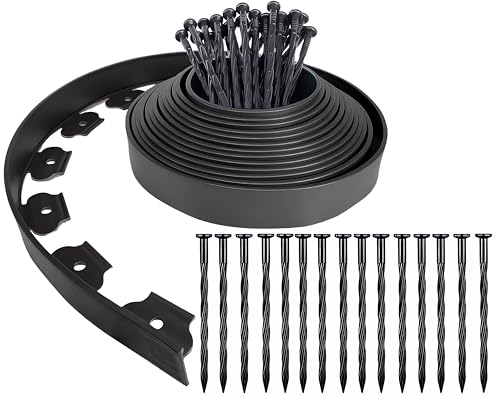
This kit offers 40 feet of edging with 40 anchoring spikes, made from high-density polyethylene. It is designed for quick, no-dig installation and easy customization by cutting or bending as needed. The flexible edging maintains curves and resists cracking, rust, or peeling over time, making it suitable for long, winding borders around flower beds, lawns, or paver pathways. It’s a practical choice for homeowners seeking a low-maintenance solution that minimizes labor.
EasyFlex Aluminum No-Dig Edging (Black)

EasyFlex offers a no-dig aluminum edging system that provides a durable, maintenance-free solution for landscape beds and paver projects. The product line includes 10 metal edging pieces with spikes, totaling 50 feet of edging in black. Aluminum resists rust, cracks, and brittleness, making it suitable for long-term curved borders. The system’s no-dig installation minimizes soil disruption while preserving clean, sharp curves along walkways and planting beds.
Bonviee 66 Ft Garden Border Edging Kit

Bonviee’s kit provides 66 feet of flexible polyethylene edging with 100 anchoring spikes. The edging bends easily to form curves around beds or pathways and withstands varied weather. It’s designed for fast, tool-free setup and long-lasting use, making it a versatile choice for curved garden borders and paver edges. The low-maintenance PE material resists rust and rot, aligning with user-friendly landscape projects.
Amazer Wooden Garden Pathway Kit

For a natural look, Amazer provides a 6-foot wooden curved walkway using widened planks and 8 stakes. While distinct from metal or plastic edging, it creates a curved edge inside a garden pathway or a decorative border. The wood features a protective coating to resist sun, wind, and moisture, with reinforced connections to reduce movement. This option suits designs seeking a rustic or traditional feel and can be integrated as a curved edging feature within composite path layouts.
Buying Guide: Key Considerations For Curved Edging
Selecting curved edging depends on site conditions, maintenance preferences, and desired aesthetics. The following considerations help compare options across metal, plastic, and wooden edge systems.
- Durability and climate: Metal edges resist moisture but can require maintenance in salty or acidic soils. Aluminum and stainless steel offer long-term durability with low maintenance. Plastic edging resists rust but can deform under heavy loads unless thick-walled. Wood provides a natural look but requires seasonal sealing and protection against moisture.
- Installation method: No-dig systems minimize soil disruption and are ideal for DIY projects, especially in lawn borders and curved beds. Traditional metal or wood edging may need more ground preparation, but often yields very rigid, arc-defining curves.
- Flexibility vs. rigidity: Flexible edging (PE plastic, some metal) excels for soft curves and winding borders but may require stakes or anchors to maintain shape. Rigid edging holds precise edge lines and is better where a sharp, defined edge is desired.
- Maintenance needs: Rust-prone metals require corrosion resistance coatings. Plastic edging should be UV-stable to prevent cracking from sun exposure. Wood edging typically needs sealing or staining to preserve color and prevent rot.
- Aesthetics and compatibility: Match material to surrounding materials (stone, concrete pavers, or wooden decks) and the landscape style (modern, rustic, or traditional). Wood adds warmth; metal offers a contemporary edge; plastic provides versatility and color options.
- Width and height: Edging height affects edge visibility and weed control. Higher edges help contain mulch and soil in beds, while lower edges are less intrusive along lawn lines.
- Cost and availability: Plastic edging often provides the best value for long runs, while metal edging can be more durable but pricier. Consider total project length and the need for connectors or longer segments to minimize joints.
In practice, homeowners may combine edging types to balance style with function—using no-dig aluminum or steel for main curves and eco-friendly plastic edging for flexible borders around beds or along garden edges. When curves are complex, selecting a flexible edging with anchoring spikes can simplify installation and maintain a cohesive look without trench digging.