The best compound action tree pruners combine leverage, durable blades, and extended reach to make pruning easier for both casual gardeners and seasoned landscapers. This guide highlights five top options that fit a range of pruning needs, from orchard work to home hedges. The selected tools emphasize power-assisted cutting, long handles, and reliable materials. They’re best for buyers seeking reduced effort, longer reach, and smooth, clean cuts on thicker branches.
Top pick overview (quick reference):
- — Heavy-duty, 14-foot reach, steel blade, foam grip. Ideal for orchard pruning.
- — DualLink pulley design for leverage, cuts up to 8″ diameter with non-stick blade.
- — 14-foot reach, 1.25″ cut capacity, heavy-duty zinc head with PTFE blade.
- — Die-cast head, high-carbon, Teflon-coated blade for up to 1″ branches.
- (Extendable 28-41″) — 1.6″ cut capacity, long reach, four-fold power boost.
Corona TP 6870 MAX RazorTOOTH DualCOMPOUND Action 14-ft. Tree Pruner

Best for heavy-duty orchard pruning and long-reach trimming. The 14-foot compound action pruner uses a steel blade and a comfortable 24-inch foam grip to reduce hand fatigue during long sessions. This model is chosen for buyers seeking maximum leverage and robust construction for seasoned pruning tasks. A potential limitation is weight and handling for users with limited upper-body strength.
Corona Cipper 211252 TP 4212 DualLink Tree Saw and Pruner
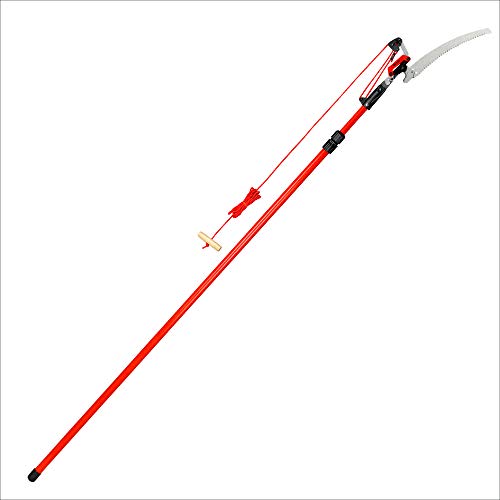
Best for users who want amplified cutting power with reduced effort. The DualLink pulley design adds leverage, delivering up to 3x more power for branches up to 8 inches in diameter. The non-stick blade coating improves durability and cleanup. Choose this if you prune thick branches frequently; avoid it if you only trim light growth and prefer a lighter tool.
Corona TP 6850 Compound Action Tree Pruner, 14-Foot

Best for users needing solid 14-foot reach with a reliable 1.25-inch cut capacity. This pruner features a heavy-duty zinc alloy pruning head and a PTFE non-stick coated blade, which supports smooth cuts and easier cleanup. It’s a strong all-around option for medium-to-large branches; note that the 1.25″ limit may be a constraint on very thick limbs.
The Ames Company TP 3714 14′ Compound Tree Pruner

Best for gardeners seeking a high-carbon, heat-treated blade with a die-cast zinc pruning head. The 14-foot compound action system supports clean cuts on branches up to 1 inch in diameter, supported by a corrosion-resistant construction. Best for users valuing a trusted brand with traditional pruner geometry; if you need thicker cuts, consider models with higher capacity.
YRTSH Loppers for Tree Trimming Heavy Duty Branch Cutter

Best for long-reach pruning with up to 1.6″ branch capacity and a 28–41 inch extendable handle. The compound action design yields substantial power, helping users trim thick branches without excessive effort. Best for older users or those with limited stamina; a potential limitation is that it may feel heavier when fully extended for prolonged use.
Buying Guide: Key Considerations For Compound Action Tree Pruners
- Reach vs. weight: Longer pruners reach higher limbs, but heavier models can cause fatigue. Balance reach with comfortable grip length.
- Cut capacity: Check the maximum branch diameter each model can handle. Choose higher capacity if your pruning involves thick limbs.
- Leverage technology: DualLink or compound-action systems increase cutting power. Consider how much you’ll rely on leverage to reduce effort.
- Blade quality and coating: PTFE or other non-stick coatings improve durability and ease of cutting through sap and resin.
- Materials and build: Zinc alloy heads, steel blades, and aluminum handles influence longevity and rust resistance.
- Ergonomics: Foam grips, non-slip handles, and balanced weight distribution help with comfort during long sessions.
- Maintenance: Look for easy blade access and replacement parts, such as springs or blades, to extend tool life.
- Intended use: Orchard pruning, home hedges, and high-tree trimming have different requirements; select a model tuned to your primary task.
Frequently Asked Questions
- What is “compound action” in pruning tools?
Compound action uses a pulley or multiple linkage systems to multiply cutting force, allowing you to cut thicker branches with less effort.
- Do longer pruners require more strength to operate?
Yes, longer pruners can be heavier; look for models with ergonomic grips and balanced construction to offset increased weight.
- What is a practical maximum cutting diameter for these tools?
Most compound-action pruners in this focus range cut up to 1.25–1.6 inches, though some models claim up to 8 inches in diameter with special designs.
- Are replacement parts available for these pruners?
Yes, many models offer replacement springs, blades, and other components, but availability varies by brand and model.
- Which pruner is best for an elderly gardener?
Models with extended reach and stronger leverage, such as those featuring compound action and longer handles, are typically easier for older users to operate.
- Should I prioritize a non-stick blade coating?
Non-stick coatings reduce friction and sap buildup, improving cutting smoothness and cleaning ease over time.
| Product | Reach (ft) | Cut Capacity | Key Benefit | Best For |
|---|---|---|---|---|
| 14 | Unknown (heavy-duty blades) | Heavy-duty power and long reach | Orchard pruning and tall trees | |
| 12 | Up to 8 inches | 3x more cutting power with pulley | Thick branches, tough cuts | |
| 14 | 1.25 inch | PTFE blade coating, strong head | General pruning with solid capacity | |
| 14 | Up to 1 inch | Die-cast zinc head, high-carbon blade | Clean cuts on medium branches | |
| ~2–3x (outstretched) | 1.6 inches | Compound action for power boost | Long-reach pruning for thick branches |