Answering the question, the best compost bin for outside use balances capacity, airflow, and user-friendly turning. This guide compares five top options for American buyers, highlighting who each is best for, what makes them stand out, and notable limitations. Whether you’re a beginner collecting kitchen scraps or a seasoned composter expanding your system, these bins help you create nutrient-rich soil with less effort.
Below is a quick summary table of the chosen products to help you compare at a glance.
| Product | Best For | Capacity | Key Benefit |
|---|---|---|---|
| VIVOSUN Outdoor Tumbling Composter | Small to medium yards; needs continuous feed | 43 gallons | 360° tumbler for easy turning |
| Goplus 80 Gallon Compost Bin | Larger yard waste and daily scraps | 80 gallons | Low-maintenance, tool-free assembly |
| Nazhura Compost Tumbler Bin | Speed-focused backyard users | 43 gallons | Dual chamber with turning and access |
| GEOBIN 246 Gallon Bin | High-capacity outdoor composting | Expandable up to 237 gallons | Expandable design, USA-made value |
| JupiterForce 80 Gallon Bin | Year-round outdoor use; large volume | 80 gallons | All-weather materials and ventilation |
VIVOSUN Outdoor Tumbling Composter

This dual-chamber tumbler is designed for continuous use: one side finishes while the other accepts new scraps. The 360° rotation minimizes manual mixing, and the eight-panel deep fins aid turning and clump breakup. Air vents promote aeration to prevent odor buildup and promote faster composting. Best for small-to-medium yards with steady waste input and a desire for minimal hands-on turning.
Who it’s best for: homeowners who want a compact, efficient tumbler that eliminates manual mixing and supports steady production. Choose this if you value a straightforward rotation system and predictable aeration. Caution: occasional overloading can hinder turning; leave some space for airflow to prevent anaerobic pockets.
Goplus Compost Bin, 80 Gallon
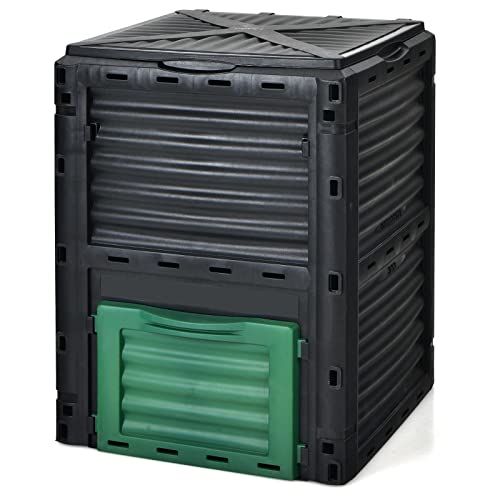
With a large 80-gallon capacity, this bin is ideal for households generating significant kitchen and yard waste. The unit emphasizes sturdy, BPA-free material and weather resistance to endure outdoor conditions. It ships with simple, tool-free assembly and a bottom exit design for finished compost. Best for: households who need a larger, durable bin that can remain outdoors through seasons and reduce the frequency of emptying.
Best for those prioritizing capacity and durability. Limitations: very large bins may require more space and initial assembly time; ensure your outdoor area can accommodate the footprint before purchase.
Nazhura Compost Tumbler Bin (43 Gallon)
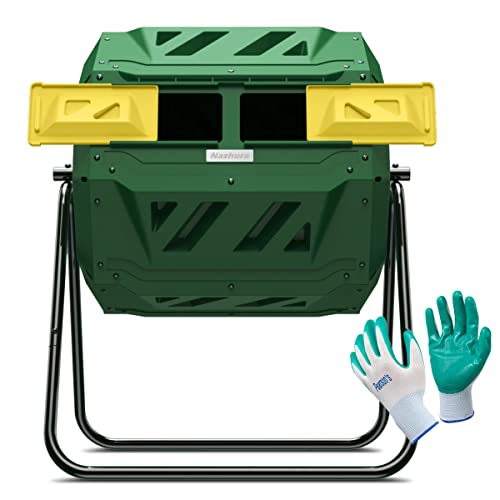
This dual-chamber tumbler emphasizes speed through turning and integrated paddles to aerate. Clear benefits include accelerated decomposition and easier access to finished compost via a slide-door system. Best for: users who want quicker cycle times and straightforward access to finished product. Caution: ensure you regularly rotate to maintain oxygen flow; inconsistent turning can reduce effectiveness.
Why selected: The Nazhura model combines modern aeration design with user-friendly access, making it a strong choice for busy households seeking faster results without complex setup.
GEOBIN Compost Bin – 246 Gallon
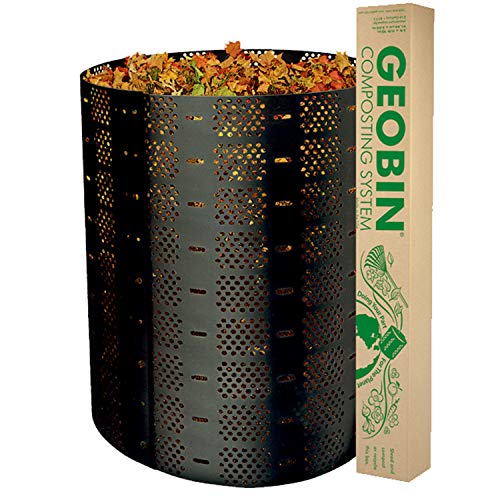
GEOBIN offers high capacity with expandable design: start at a smaller footprint and extend up to 237 gallons as your compost pile grows. It’s noted for simple assembly with closure keys and easy relocation. Best for: long-term outdoor composting in larger yards or community gardens that require scalable capacity. Caution: expansion requires additional space and can complicate initial setup.
Buying tip: If you’re unsure about future volume, start with a smaller GEOBIN model or pair with a secondary smaller unit to keep ongoing throughput steady.
JupiterForce Garden Compost Bin 80 Gallon

This 80-gallon bin blends durability with all-season performance. BPA-free materials and weather resistance help maintain integrity across frost and rain. Ventilation design and four vents per side promote air exchange, speeding decomposition. Best for: gardeners who want a sizable bin that works year-round and resists the elements. Limitation: larger bins require more space and careful monitoring of moisture to avoid overly dry or soggy piles.
Buying Guide: Practical Choices For Outdoor Composting
What size should I choose?
Match capacity to waste output and space. Small yards may manage well with 43-gallon tumblers, while larger yards benefit from 80 to 237 gallons. Consider future growth if you anticipate more yard waste or kitchen scraps.
What material matters?
Look for BPA-free, UV-resistant plastics for durability and safety. Metal bins last but can heat up his containers; ensure rust resistance and maintenance needs are understood before purchase.
How important is aeration?
Good airflow speeds composting and reduces odor risk. Bins with vented walls, rotating mechanisms, or built-in paddles help mix and oxygenate materials without heavy manual stirring.
Do I need dual or single-chamber designs?
Dual-chamber tumblers enable continuous feeding: one side works while the other rests. This setup suits steady producers and helps avoid downtime while the pile matures.
What about maintenance and setup?
Tool-free assembly and clear access doors simplify initial setup and ongoing turning. Check if lids seal well to keep pests out and moisture stable during rain.
Placement considerations
Position bins on level ground, away from direct contact with house foundations, and provide a nearby water source if possible. Ensure access for turning and removing finished compost.
FAQ
- What is the best compost bin for small spaces? A compact 43-gallon tumbler offers efficient turning and less footprint while still producing quality compost.
- Is a dual-chamber design worth it? Yes, it allows continuous feeding and reduces downtime while batches cure in the other chamber.
- Do I need a lid or door on a compost bin? A lid or door helps manage moisture and deters pests; select bins with accessible doors for finished compost.
- How long does composting take in these bins? It varies with materials and turning, but many 43–80 gallon tumblers can produce finished compost in several weeks to a few months with steady maintenance.
- What maintenance is required? Regular turning or tumbling, moisture management, and occasional cleaning to prevent odors help maintain efficiency.
- Can these bins handle year-round use? Many models are weather-resistant for outdoor use, but check specific all-season materials and design features for your climate.