Answering the question “cat repellent spray for cars” with practical options that keep feline visitors away from your vehicle and property. These products are best for car owners who want a safe, scent-based deterrent, plus yard and indoor use to reinforce boundaries. Ideal buyers include vehicle owners worried about cats nesting in engine bays, apartment dwellers needing furniture protection, and homeowners seeking a versatile, pet-friendly solution for drives, garages, and patios. Below are five top picks with clear usage guidance, strengths, and limitations.
| Product | Why It’s Included | Best For |
|---|---|---|
| Mighty Mint Peppermint Oil Rodent Repellent Spray | Plant-based, extra-strong peppermint formula designed for vehicles and engine compartments. | Vehicle engines, garages, RVs |
| Nature’s MACE Cat Mace Cat Repellent (40 oz) | Ready-to-use, large coverage, scent-aversion oils for targeted areas | Car interiors, beds, decks, gardens |
| Anowbo Cat Deterrent Spray | Dual training signals—scent and bitter-taste cues for behavioral guidance | Furniture protection, indoor and outdoor problem spots |
| Colton’s Naturals Cat Repellent Outdoor Indoor (32 oz) | Natural peppermint and citronella base; safe for kids and pets | Yards, gardens, cars, garages |
| Four Paws Keep Off Pet Repellent Spray | All-day deterrent for indoor/outdoor use; simple application | Furniture, carpets, trees, shrubs |
Mighty Mint Peppermint Oil Rodent Repellent Spray
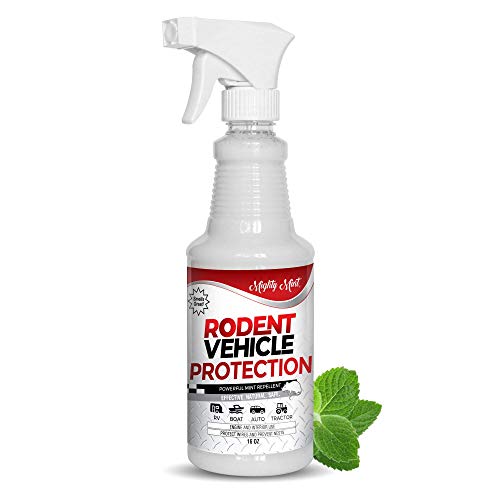
Best for: Vehicle engines and interior spaces. This product uses extra-concentrated peppermint oil to deter mice, rats, and other rodents, which helps prevent nesting and chewing in vehicle compartments. It is positioned as pet-friendly when used as directed, making it suitable for garages and driveways where pets access. Reason to choose: a strong plant-based option that focuses on protecting critical vehicle areas from rodent activity without harsh chemical residues.
Limitation: While it targets rodents primarily, it is not a dedicated cat deterrent. Use in tandem with cat-focused sprays for comprehensive feline control around cars.
Nature’s Mace Cat Mace Cat Repellent (40 oz)
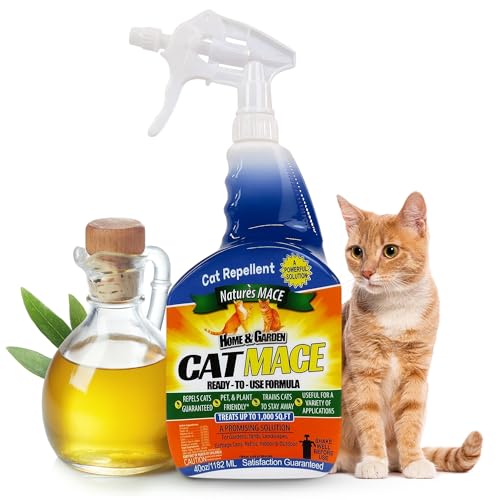
Best for: Large-area scent deterrent for both indoor and outdoor spaces. The 40-ounce ready-to-use formula covers up to 1,000 sq ft per application, with daily use recommended during initial training. Reason to choose: straightforward, no-mix solution that helps with urine marking, scratching, and general cat avoidance in zones like beds, decks, furniture, and gardens. Caution: essential oil-based formulations can have stronger odors; start with a small test area if sensitive spaces exist.
Anowbo Cat Deterrent Spray

Best for: Home interior protection and problem areas such as sofas, curtains, and furniture legs. It offers dual training signals: a botanical scent and a bitter taste to discourage scratching, chewing, and spraying. Reason to choose: designed for consistent training with 1–2 applications daily during the initial period, helping sustain boundaries even when you’re away. Caution: some cats may become desensitized if used irregularly—consistent use is key.
NOOROLA Cat Repellent Balls (16 Pack)

Best for: Outdoor and car-adjacent areas where a long-lasting scent barrier is helpful. The 60-day, slow-release essential-oil balls create a protective perimeter with a single placement. Reason to choose: weather-resistant design and flexibility to hang or place around problem spots, including gateways, porches, and engine compartments. Limitation: requires setup and periodic replacement every couple of months to maintain efficacy in variable weather.
Four Paws Keep Off Pet Repellent Spray
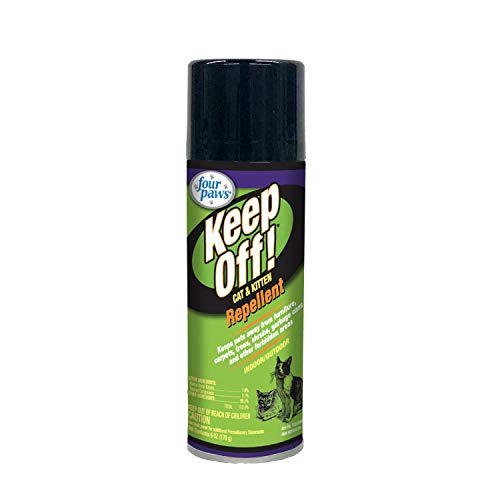
Best for: General deterrent around fabrics, carpets, trees, shrubs, and other household surfaces. It’s easy to spray across rooms or outdoor areas to keep cats away from problem zones. Reason to choose: simple, all-day deterrent that can be used daily for ongoing protection. Caution: may require frequent reapplication in high-traffic areas or after cleaning, as any spray can lose scent over time.
Buying Guide: Key Considerations For Cat Deterrents Around Cars And Homes
- Target area and use-case: Do you need a car-focused spray, a yard-wide solution, or room-by-room protection? Vehicles may benefit from engine-friendly, oil-free formulas, while gardens benefit from outdoor-safe scents.
- Active ingredients and scent strength: Plant-based essential oils (peppermint, citronella) deter cats but can be overpowering in small spaces. Test in a small area first when sensitive pets or kids are nearby.
- Safety for pets and humans: Look for pet-safe labels and avoid products with harsh solvents or corrosive chemicals if the spray will be used around living spaces or car interiors.
- Duration and reapplication: Some products require frequent daily or weekly applications during training, while others offer longer intervals. Plan around your maintenance schedule.
- Indoor vs outdoor effectiveness: Some formulas excel indoors but may not endure weather outdoors; vice versa for outdoor-focused products.
- Application method: Sprays, solid balls, or boundary cues each have advantages. Consider your surface types and whether you want a continuous scent barrier or targeted prompts.
- Ease of use and coverage: Larger-volume bottles simplify upkeep for big spaces; smaller bottles are convenient for quick touch-ups on furniture or car interiors.
Frequently Asked Questions
- Do cat deterrent sprays harm cats if licked? Most formulations are designed to be safe when used as directed, but avoid applying to areas a cat might lick excessively. Always follow label instructions.
- Can I use these sprays around engine compartments? Yes, but avoid direct contact with electrical components. Apply to nearby surfaces and allow the area to dry before starting the engine.
- Are there scent-free options? Most deterrents rely on scent cues. If scent sensitivity is a concern, look for milder formulas and test on a small area first.
- Should I combine products for best results? A layered approach—indoor furniture protection plus outdoor yard deterrents—can be effective, especially in multi-spot problem areas.
- Is there any risk to plants or pets nearby? Choose plant-safe formulations and use as directed. Monitor for any signs of irritation in sensitive pets and adjust use accordingly.