Answering the question “which camellias grow best in Zone 7?” these selections emphasize reliable evergreen foliage, striking blooms, and suitable hardiness for Zone 7 landscapes. The top picks target common buyers: ornamental shrub lovers, shade garden enthusiasts, and those seeking winter-to-spring color. The list below focuses on plants that perform well in Zone 7 while offering year-round interest. A quick buyer’s table is included to compare key points at a glance.
| Product | Best For | Hardiness Zone Range | Notes |
|---|---|---|---|
| Kramer’s Supreme Camellia | Bold bloomers in partial shade | 7-9 | Glossy foliage, large rosy blooms |
| April Tryst Camellia | Fragrant, showy blooms in green foliage | 6-9 | Winter-to-spring color |
| Dad’s Pink Camellia | Starter plant for moderate gardens | 7-10 | Pink, sturdy evergreen shrub |
| La Peppermint Camellia | White blooms with pink-red stripes | 7-9 | Peony-like form, striking variegation |
| Yuletide Camellia | Fall to winter color in shade | 7-10 | Red blooms with bright yellow centers |
Kramer’s Supreme Camellia — 3 Gal

The Kramer’s Supreme Camellia offers large rosy red blooms in a vigorous evergreen Japonica form. Ideal for zones 7 through 9, this shrub provides year-round structure with dark green foliage. It is best placed in partial shade with well-drained soil. The plant is a strong choice for borders, foundation plantings, or as a focal point in a shaded garden. Best for gardeners who want a bold color statement in late winter to early spring.
Best for: gardeners who desire a dramatic, early-season display in partial shade. Better for: mid-to-large foundations or mixed borders. Choose this if you want a reliable, showy shrub with classic camellia appeal. Avoid this if you require a cold-hardy option outside Zone 7–9 or have very windy, exposed sites.
April Tryst Camellia — 3 Gal
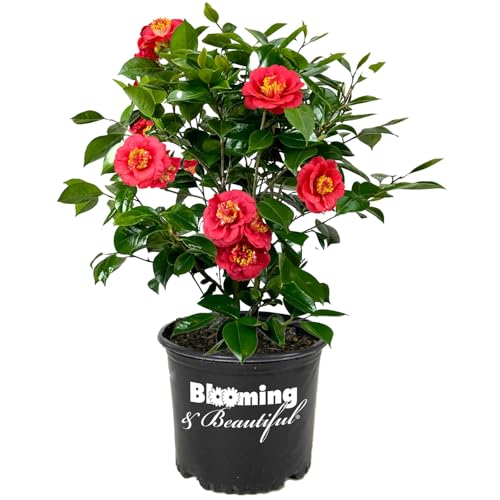
April Tryst is an evergreen Camellia Japonica with fragrant red blooms and green foliage. Suitable for zones 6–9, it thrives in partial shade with shelter from harsh winds. The large blooms and fragrant petals make it ideal for entryways, shaded patios, and courtyard plantings. It can contribute a vivid winter-to-spring color bloom, pairing well with darker evergreens.
Best for: scent-forward gardeners who want red flowers in cooler months. Better for: shaded or semi-shaded areas with rich, well-drained soil. Choose this if you value fragrance and a strong red floral display. Caution: this cultivar can require steady moisture and protection from extreme cold winds in harsh winters.
Dad’s Pink Camellia — 4L Starter Plant

Dad’s Pink Camellia is a sturdy evergreen shrub with glossy leaves and a pink, red-striped semi-double flower presentation. It grows best in zones 7–10 and tolerates full to partial shade. This starter plant is suitable for smaller gardens or containers and can be pruned to maintain a compact form. It blooms from late winter to spring, offering seasonal color as buds open.
Best for: new camellia growers seeking a reliable starter plant. Better for: partially shaded beds and container gardens. Choose this if you want a manageable, flowering shrub with a classic camellia look. Caution: avoid planting in exposed, windy sites that risk bud damage early in the season.
La Peppermint Camellia — 3 Gal

The La Peppermint Camellia features large semi-double white blooms with pink-red stripes reminiscent of peppermint candy. This evergreen shrub thrives in zones 7–9 with acidic, humus-rich, well-drained soil. Partial sun to shade suits it best. The plant’s striking bloom pattern makes it an excellent focal point in shade gardens or entry courtyards.
Best for: high-contrast color accents in shade. Better for: gardens with acidic soil and consistent moisture. Choose this if you want a candy-striped floral effect. Caution: ensure adequate soil pH and moisture; poor drainage can hinder bloom quality.
Tri Color Camellia Japonica — 4L

This Camellia Japonica is prized for variegated blooms featuring pink, white, and red hues. It’s a vigorous grower suitable for borders, hedges, or containers. Zone 7 plantings can yield a colorful, multi-toned display, especially in sheltered locations. The plant’s seed-parent potential adds genetic variety to landscape plantings.
Best for: gardeners who want a dynamic, multicolor bloom. Better for: decorative borders or focal containers in partial shade. Choose this if you want candy-striped, variegated flowers. Caution: some blooms may lean toward red rather than pink or white; plan color progression accordingly.
Yuletide Camellia — 3 Gal

Yuletide Camellia is an evergreen shrub known for large red blooms with bright yellow stamens, blooming from fall through winter into early spring. In Zone 7–10, it provides striking seasonal color when many other plants are dormant. Its glossy leaves offer year-round interest, creating a reliable winter feature in shade gardens or along aisles and paths.
Best for: winter color near entryways or shaded borders. Better for: zones 7–10 and moist, well-drained soils. Choose this if you want long-lasting winter blooms. Caution: flowering can be vulnerable to late-season freezes in exposed sites.
Buying Guide: Key Considerations For Zone 7 Camellias
- Sun and shade: Most Zone 7 camellias prefer partial shade or morning sun with afternoon shade. Evaluate site exposure to protect buds during cooler months.
- Soil and drainage: Camellias favor acidic, well-drained soil. Amending soil with organic matter helps ensure healthy root systems and robust blooms.
- Bloom timing: If you want winter color, consider Yuletide or April Tryst for earlier-season displays. For late winter-to-spring color, Kramer’s Supreme or La Peppermint are strong options.
- Size and spacing: Check mature height and width to ensure space for growth and airflow, which reduces disease risk. Pruning after bloom helps maintain shape.
- Cold protection: Zone 7 plants can be susceptible to late freezes. Plant in wind-sheltered spots and consider mulching to insulate roots.
- Maintenance: Water consistently during dry spells, especially after planting. Mulching helps retain moisture and suppress weeds.
Frequently Asked Questions
- What camellias are best for Zone 7 gardens? — Camellias labeled for Zones 7–9 or 7–10, such as Kramer’s Supreme, April Tryst, Dad’s Pink, La Peppermint, and Yuletide, are well-suited to Zone 7.
- Do camellias bloom in winter in Zone 7? — Yes, many Zone 7 camellias bloom from late fall to early spring, depending on the cultivar and climate.
- What soil conditions do camellias need? — They prefer acidic, well-drained soil with rich organic matter and consistent moisture.
- Can camellias grow in full sun in Zone 7? — They typically do best in partial shade; intense sun can scorch foliage and reduce bloom quality.
- Are camellias drought-tolerant? — They prefer steady moisture; prolonged drought can stress plants and reduce flowering.
- How should I prune camellias? — Prune after blooming to shape and remove dead or weak wood. Avoid heavy pruning that removes next season’s flower buds.