Answering the need for reliable, broad-spectrum disease control, this guide highlights five effective fungicide options. Each product is suitable for beginner and experienced gardeners aiming to protect roses, vegetables, ornamentals, and houseplants from common fungal diseases. The selections emphasize liquid copper fungicides, 3-in-1 formulations, and plant-safe options that are usable in organic or low-residue systems. Best for gardeners seeking easy-to-apply, ready-to-use sprays, or versatile controls that address multiple pests and diseases in one pass.
| Product | Best For | Key Strength | Format |
|---|---|---|---|
| Bonide Captain Jack’s Copper Fungicide (32 oz RTU) | Vegetable and fruit growers seeking organic-ready copper protection | Broad disease prevention with organic approval | Ready-to-use spray |
| Bonide Captain Jack’s Neem Oil (32 oz RTU) | General garden pest and disease prevention | 3-in-1 fungicide, miticide, insecticide | Ready-to-use spray |
| Garden Safe Fungicide 3 (32 oz RTU) | Home gardens, roses, flowers, houseplants | Triple-action: fungicide, insecticide, miticide | Ready-to-use spray |
| Atticus Gravex 20EW Fungicide (16 oz) | Lawn, landscapes, and greenhouses | Systemic control with curative and preventive action | Concentrate |
| BioAdvanced 3-in-1 Insect, Disease, and Plant Mite Control (32 oz) | Outdoor plants needing protection from pests and diseases | 3-in-1 formula for insects, diseases, and mites | Ready-to-spray |
Bonide Captain Jack’s Copper Fungicide, 32 oz Ready-to-Use

Best for gardeners who want a simple, ready-to-apply solution with organic gardening approval. This liquid copper fungicide targets a wide range of diseases such as blight, black spot, and powdery mildew, making it a solid first choice for fruit, vegetable, and ornamental beds. Why selected: easy RTU use and broad disease coverage help prevent common outbreaks in organic setups.
Who it’s best for: home gardeners seeking a maintenance-friendly, organic-compliant option with harvest-friendly timing. Limitation: copper-based products can accumulate in soil with repeated use if not rotated with non-copper products.
Bonide Captain Jack’s Neem Oil, 32 oz RTU
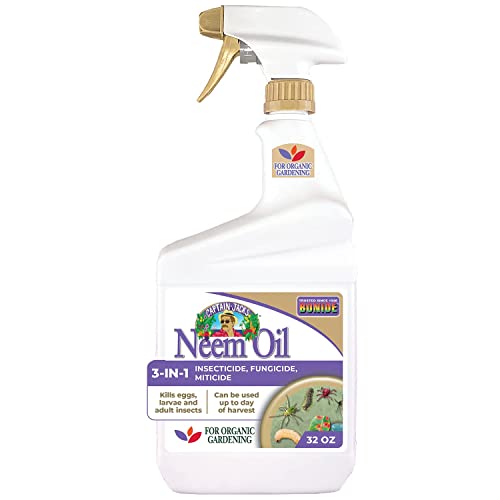
This product is a versatile, ready-to-use fungicide, miticide, and insecticide. It’s effective against powdery mildew and various pests, and can be used up to harvest in many crops. Best for: gardeners needing a multi-task spray that reduces both fungal issues and pest pressure. Caution: neem oil can cause phytotoxicity on some plants if misapplied or used in high temperatures; test on sensitive species first.
Garden Safe Fungicide 3 32 Oz RTU

Selected for its 3-in-1 approach—fungicide, insecticide, and miticide—this product supports a wide range of home-garden needs. Best for: home gardens with mixed planting that require broad-spectrum disease prevention and pest control. Limitation: as a ready-to-use spray, it may require more frequent reapplication in humid conditions or heavy disease pressure.
Bonide Captain Jack Copper Fungicide 16 oz Concentrate

A concentrated option for gardeners who want to mix as needed. It offers broad copper-based disease control suitable for organic gardening. Best for: users who prefer a flexible concentrate to tailor mix strength for different crops or disease pressure. Caution: copper concentrate requires accurate mixing and careful handling to avoid over-application.
BioAdvanced 3-in-1 Insect, Disease, and Plant Mite Control
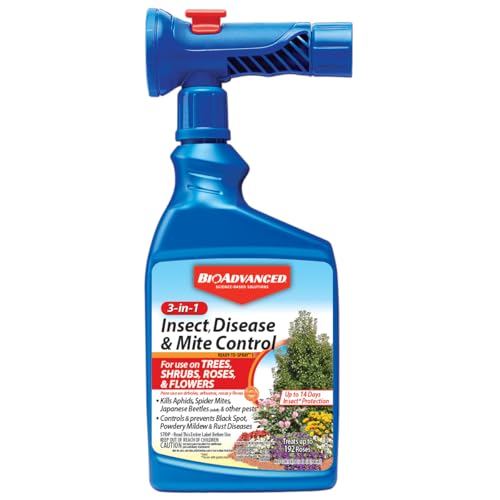
This product combines insect, disease, and mite control in one spray. Best for: outdoor plants that face multiple threats from pests and fungi simultaneously. Limitation: as a broad-spectrum product, it can affect beneficial insects if misused; follow label instructions for timing and host restrictions.
Buying Guide: Key Considerations For Choosing A Broad Spectrum Fungicide
- Active ingredients and mode of action: Decide between copper-based fungicides, essential-oil blends, or systemic/fungicidal formulations. Systemic options offer longer protection but may be more sensitive to plant type.
- Organic compatibility: If organic status matters, verify label approvals and harvest intervals. Copper products are commonly allowed in organic gardening, while some synthetic combos may not be.
- Scope of coverage: Consider whether you need a product that targets fungi, insects, and mites, or a dedicated fungicide for stricter disease control.
- Plant safety and phytotoxicity: Test on a small area if using copper or oil-based sprays on delicate foliage or young plants. Avoid applying during extreme heat or sun exposure.
- Reapplication and timing: Some products require reapplication after rain or over several weeks. Plan rotations to reduce resistance and ensure continuous protection.
- Application method: Ready-to-use sprays offer convenience, while concentrates provide flexibility for mixing strengths and larger volumes.
Frequently Asked Questions
- What is a broad spectrum fungicide for plants? A product designed to protect against multiple fungal diseases across various plant types, often combined with other pest-control actions in multi-use formulations.
- Are copper-based fungicides safe for edible crops? Copper-based products are commonly approved for organic gardening and can be used on many edible crops, but follow label harvest intervals and avoid overuse.
- Can I use a 3-in-1 product for both pests and diseases? Yes, 3-in-1 products address fungi, insects, and mites, simplifying care for plants facing multiple threats.
- How often should I apply fungicides? Scheduling depends on product type, weather, and disease pressure; always follow label directions and rotate products to minimize resistance.
- Is neem oil effective against powdery mildew? Neem oil can reduce certain fungal activity and pests, but its effectiveness varies by disease and plant type; combine with other strategies if needed.
- Should I avoid pollinators when using fungicides? Prefer formulations labeled as safe for bees and apply during times when pollinators are less active or on non-bloom periods if possible.