Discover barley seeds that perform well in diverse climates, support sustainable gardening, and suit a range of uses from malting to animal feed. The following selections emphasize organic practices, high germination, and reliable growth—ideal for home gardeners, small farms, and hobbyists across America.
| Product | Brand | Notes |
|---|---|---|
| All Good Things Organic Robust Barley Seeds | All Good Things Organic Seeds | Six-row grain; robust, suitable for sprouting and malting |
| Thunder Acres Barley Seed (1/2 lb) | Thunder Acres | Certified Organic, Non-GMO, high germination |
| Thunder Acres Barley Seed (1 lb) | Thunder Acres | Certified Organic, Non-GMO, high germination |
| Country Creek Acres Barley Seeds | COUNTRY CREEK ACRES GROWING IS IN OUR ROOTS | Non-GMO, USA-grown; versatile for microgreens and grains |
| Ernst Grain & Livestock Barley Seeds | Ernst Grain & Livestock | Non-GMO; premium feed-grade grain for livestock |
All Good Things Organic Robust Barley Seeds

Robust barley seed that performs across climates, with modest drought and salt tolerance. This six-row grain is suitable for sprouting, malting, and animal feed. The seed packet contains at least 300 seeds, making it a practical option for both home gardeners and small-scale growers. The seeds are certified organic, non-GMO, heirloom, untreated, and open-pollinated, ensuring a reliable, ethical choice. Germination testing helps ensure a high-quality growing experience. Typical spring planting reaches grain in 90–100 days, depending on conditions.
Thunder Acres Barley Seed — 1/2 Pound

This batch by Thunder Acres emphasizes a high germination rate (listed at 93%) and organic certification. Made in the United States, the seeds are Non-GMO and suitable for a variety of planting goals, including barley grass and microgreen production. The 1/2 pound size is convenient for gardeners testing barley before expanding to larger plots, and the product aligns with sustainable, domestic sourcing practices.
Thunder Acres Barley Seed — 1 Pound
This 1-pound option from Thunder Acres offers the same 93% germination rate and organic certification as the smaller bag, with a larger quantity for bigger plots or more ambitious malting and feed projects. Grown in the USA, these seeds support nationwide farming standards and dependable performance in varied climates.
Country Creek Acres Barley Seeds

Non-GMO barley seeds cultivated and packaged in the United States by Country Creek Acres. The seeds are positioned as versatile for barley grass, microgreen production, and broader food uses. The product highlights health benefits and aligns with domestic, ethical seed sourcing, making it appealing to gardeners focused on transparency and seed vitality.
Ernst Grain & Livestock Barley Seeds
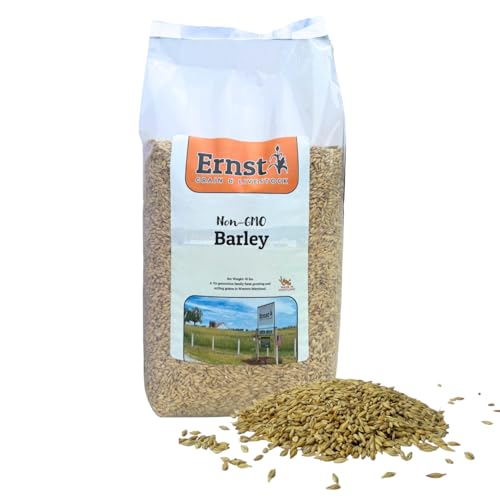
Premium non-GMO, unprocessed whole barley kernels aimed at livestock, poultry, and small animals. The 10-pound portable bag format suits medium-scale farms or home operations needing a base grain for feed formulations. The seeds are described as nutrient-dense, providing fiber, plant-based protein, B vitamins, and essential minerals that support growth and coat condition in animals.
Buying Guide
Key considerations when selecting barley seeds include climate compatibility, seed quality, and intended use. For home gardens, organic and non-GMO seeds offer greater assurance of sustainable practices and biodiversity. Look for high germination rates to minimize germination failures in spring or fall plantings. If malting or brewing is a goal, choose multi-purpose or six-row barley with documented malting suitability and predictable kilning behavior.
Seed packaging size matters: smaller bags are ideal for trial plots or microgreens, while larger packs support extended malting, feed, or grain production. Domestic sourcing and open-pollination tend to provide greater genetic stability and easier seed saving for future seasons. When evaluating products, compare whether seeds are certified organic, the seed variety’s adaptability to your climate, and the availability of germination testing or viability guarantees.
For multi-use setups, consider barley species that offer both rapid spring harvests and resilience to drought or soil salinity. If you plan to feed livestock, non-GMO and unprocessed kernels can improve digestibility and nutrient delivery. Finally, examine seller credentials and seed handling practices to ensure the seeds arrive free from treatments that could affect germination or subsequent malting quality.