Protecting young trees from deer, rodents, and lawn equipment is essential for healthy growth. This guide reviews five effective bark protectors designed to shield saplings and young trunks, helping homeowners preserve landscape beauty and tree vitality. Best for first-time protectors, busy gardeners, and those with mixed wildlife pressure.
| Product | Best For | Installation Ease | Material Style |
|---|---|---|---|
| Aukney 4/6/8 Pcs Tree Trunk Protector | Deer and animal-heavy yards | Easy spiral wrap | Plastic spiral tube |
| Voglund Nursery Mesh Tree Guard (5 Pack) | Longer trunks, moisture control | Moderate (trim to fit) | Breathable metal mesh |
| AireKouzia Tree Trunk Protectors (4 Pack) | Small to mid-size saplings | Simple wrap around trunk | Breathable fabric |
| EasyFlex Plastic Tree Trunk Protectors (6 Count) | Low-maintenance, varied sizes | Coil-based installation | Recycled plastic coils |
| Xstronq Tree Trunk Protectors (4 Pack) | Expandable, tall saplings | Interlocking expandability | Plastic guards |
Aukney Tree Trunk Protectors Review

Aukney’s set uses a spiral plastic wrap to create a continuous shield around the trunk. Best for gardeners seeking quick, simple installation and an option to extend the length by joining multiple tubes. The design isolates saplings from deer, cats, rabbits, and lawn equipment, reducing bark damage during high-risk periods. A potential caution is that sharp edges on spiral openings may require gloves during handling.
- Best for quick, flexible installation on small to medium saplings.
- Better for wallets needing multi-pack value (color-coded, two sizes).
Best use: Protecting young trunks in deer-prone or high-traffic lawn areas. Avoid if you need a metal mesh for higher durability in harsh weather.
Voglund Nursery Mesh Tree Guard Review

The Voglund Nursery option uses a breathable mesh design to allow air and moisture exchange while protecting trunks from damage. It fits trees from 12 inches to 48 inches tall and can be trimmed to fit trunks up to about 4 inches in diameter. Best for trees in damp climates where moisture management is important. The mesh may be less visible than solid wraps and requires periodic adjustments as the tree grows.
- Best for moisture-sensitive trunks and longer-term growth.
- Better for taller saplings needing guard extension without replacing parts.
Consider if your trees are prone to rot from moisture accumulation; be mindful that the mesh needs adequate clearance to prevent moisture buildup against the bark.
AireKouzia Tree Trunk Protectors Review
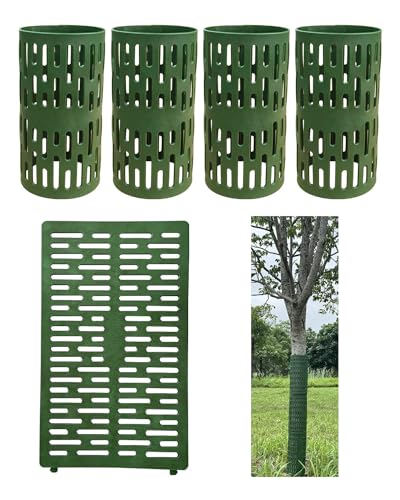
The AireKouzia set offers four wraps designed for versatile trunk protection. These protectors wrap around the trunk and can be joined for larger trees, while staying breathable to prevent bark decay. They’re straightforward to install and remove, making seasonal protection practical. A caution: for very large trunks, you may need additional lengths or edits to achieve complete coverage.
- Best for mixed-sized trees and quick seasonal setup.
- Choose this if you want removable protection without tools.
EasyFlex Plastic Tree Trunk Protectors Review
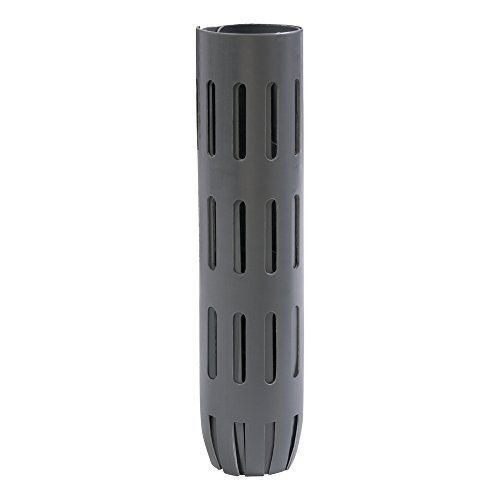
EasyFlex provides six 9-inch-tall coils, sized at 12 inches wide with a 4-inch diameter. Made from recycled plastic, these guards blend well with many tree barks and are designed for long-term use. They are a strong, low-maintenance option suited for homeowners who want a durable, reusable guard that minimizes visual disruption. The coils can be joined or trimmed to fit larger trunks.
- Best for long-term use with low maintenance.
- Better for gardeners who prefer a simple, coil-based install.
Limitations include potential visibility on lighter bark colors and the need to ensure a secure fit on very irregular trunks.
Xstronq 4 Pack Tree Trunk Protectors Review

Xstronq offers 4-pack expandable plastic guards with a 15″ x 10″ footprint and an interlocking design. The emphasis is on a durable, weather-resistant surface that can be expanded vertically or horizontally to accommodate a range of trunk sizes. This makes Xstronq a strong choice for gardeners who expect to scale protection as trees mature. A note: ensure proper interlock sealing to avoid gaps that could expose bark.
- Best for expandable coverage on growing trunks.
- Choose this if you anticipate needing to adjust height or diameter over time.
Buying Guide: Bark Protectors For Trees
Key questions to guide your purchase:
- What trunk size and tree height do you need to protect?
- Do you prefer a breathable mesh or a solid plastic shield?
- Is ease of installation a priority or is long-term durability more important?
- How important is guard appearance in your landscape?
- Will you need to adjust or expand guards as the tree grows?
Material and design considerations:
- Breathability vs. moisture control: Mesh guards prevent moisture buildup; solid plastic shields reduce physical impact but may trap more moisture if not vented.
- Expandability: Interlocking or spliceable designs let you grow with the tree or combine multiple guards for larger trunks.
- Durability: Metal mesh offers rugged protection but may rust without proper coating; plastic guards vary in thickness and UV resistance.
- Installation: Spiral wraps and coil guards enable quick setup; metal grids often require zip ties and stakes for secure fitting.
- Removal and reuse: Reusable designs save long-term costs but may require tools or more time during seasonal changes.
FAQ
- What is the primary purpose of bark protectors?
They shield tree trunks from physical damage caused by wildlife, lawn equipment, and environmental stress, promoting healthier growth. - Are breathable guards better for moisture-prone areas?
Breathable guards prevent moisture buildup around the bark, reducing disease and rot risk. - Can bark protectors fit all trunk sizes?
Many designs are expandable or offer multiple sizes; choose a model with adjustable height or the ability to join sections for larger trunks. - How long should a bark protector stay on a tree?
Guards are typically used during high-risk seasons and can be left on as trees grow, provided the trunk isn’t constricted and airflow remains adequate. - What maintenance is required?
Periodically inspect for gaps, ensure fasteners remain secure, and adjust as the tree grows or weather changes.