The best Amish push-pull hoes combine durability, ergonomic design, and efficient weed cutting. This guide highlights five top options that suit raised beds, traditional gardens, and standing-work styles. Ideal buyers include Amish-made craftsmanship enthusiasts, hobby gardeners seeking ergonomic tools, and raised-bed gardeners needing precise weed control around plants.
| Product | Best For | Key Advantage |
|---|---|---|
| Lehman’s Precision Garden Hoe | Raised beds, long-term durability | All-Amish craftsmanship with a 60″ ash handle |
| Hoss Tools Push Pull Hoe | General garden use, deep weeding | V-shaped tempered steel blade, ergonomic design |
| Dewit Diamond Hoe | Standing weed removal | Four-edge forged head for push-pull efficiency |
| Haliaeetus Scuffle Hoe | Raised beds and tight spaces | Compact size, precise push-pull action |
| Berry&Bird Garden Weeder | Weeding between rows and edges | Stainless steel Hula design with wooden handle |
Lehman’s Precision Garden Hoe
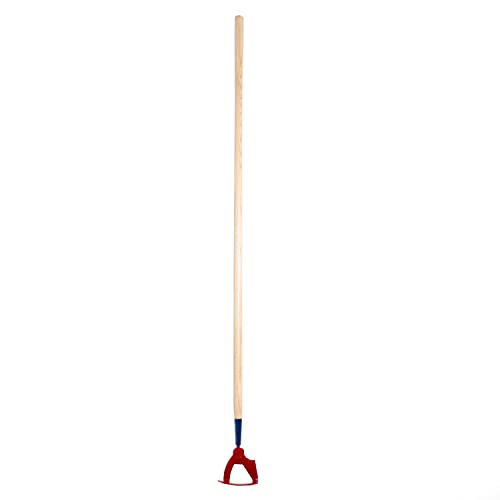
Best for long, steady pruning and raised bed use, the Lehman’s model is Amish-made with a 60″ ash handle. The hardened steel blade is designed for durability, enabling weed removal with minimal bending and more standing-work efficiency. It’s particularly suited for gardeners who value traditional craftsmanship and a robust tool that can withstand frequent use in hard soils.
Who it’s best for: Gardeners seeking classic Amish construction and a long, sturdy handle to reduce bending in raised beds. Why selected: The 60″ handle minimizes strain, while the hardened blade offers reliable performance in tough soils.
Caution: The wood handle may require occasional maintenance to preserve grip and longevity in humid conditions.
Hoss Tools Push Pull Hoe

Best for aggressive weed control with an ergonomic, low-effort push-pull action. The V-shaped, tempered steel head excels at removing tough weeds close to plants without harming stems. This makes it a strong option for gardeners who repeatedly weed around delicate perennials and vegetable transplants.
Who it’s best for: Gardeners needing an efficient, aggressive weed cutter that can pass near plant stems. Why selected: The sharpened V-shaped blade maximizes weed removal depth while preserving nearby plants.
Caution: The blade is sharp; use care when handling near delicate stems to avoid accidental contact.
Dewit Diamond Hoe With P-Grip

Best for standing weed removal with four-edge forged steel diamond head. The 74″ long handle helps reduce bending, promoting upright weed control across larger plots. The P-Grip and durable construction support extended sessions in tougher soils, delivering steady performance with push-pull motion.
Who it’s best for: Gardeners wanting a long, durable hoe that reduces back strain during extended weeding. Why selected: The four edges provide versatile cutting directions and robust durability.
Caution: The long handle increases tool footprint; ensure storage space is adequate and safe when not in use.
Haliaeetus Scuffle Hoe

Best for raised beds and close plant work, this 16.8″ stirrup hoe focuses weed removal through a push-pull motion with precise control. Its compact size fits between plants and along bed edges, reducing collateral damage while speeding up weeding in tight spaces.
Who it’s best for: Gardeners needing a compact tool for precise weeding between small plantings. Why selected: Its short length improves maneuverability where longer hoes can’t reach easily.
Caution: May require more trips across larger plots to cover all areas efficiently.
Berry&Bird Garden Weeder

Best for edge weeding and garden edging work, this stainless steel hula-style tool uses a push-pull motion to cut weed roots beneath the surface. The wooden long handle provides a comfortable grip and a balanced feel for extended use along borders and between plant rows.
Who it’s best for: Gardeners needing a versatile tool for edging and precise weeding around beds and edges. Why selected: The double-duty design works well for both weed control and light trimming along borders.
Caution: The stainless steel blade requires regular maintenance to prevent rust in damp climates.
Buying Guide
- Material and construction: Amish-made options often emphasize traditional craftsmanship and durable wood handles, while forged steel blades provide longevity for heavy-duty weed cutting. Choose based on soil type and frequency of use.
- Blade design: V-shaped or diamond heads are optimized for deep weeding and precise cuts near plants. Consider a four-edge diamond head for versatile cutting in multiple directions.
- Handle length and ergonomics: Taller gardeners benefit from longer handles to reduce bending. Lightweight fiberglass or reinforced wood handles improve balance and reduce fatigue.
- Weeding location: Raised beds and tight spaces require compact designs (shorter handles, narrower heads) for access without damaging plant stems.
- Maintenance: Look for corrosion-resistant blades and treat wooden handles to prolong life. Stainless steel blades resist rust in damp environments.
- Usage context: For standing work and repetitive weeding, select tools with ergonomic grips and long shafts. For close-quarters weed removal, compact models excel.
Frequently Asked Questions
- What is a push-pull hoe best used for? — It is designed to cut weeds just beneath the soil surface using a back-and-forth motion, reducing bending and making weed removal faster.
- Are Amish-made push-pull hoes more durable? — Amish craftsmanship often emphasizes solid construction and long-lasting materials, which can enhance durability in regular use.
- Which hoe is best for raised beds? — Short, compact designs with precise cutting work well in raised beds; longer handles reduce bending for larger plots.
- Do I need a four-edge head? — Four-edge heads offer versatility for cutting in multiple directions, which is helpful in varied soil conditions.
- Should I prefer stainless steel for the blade? — Stainless steel resists rust in damp conditions and reduces maintenance needs over time.
- Is a longer handle always better? — Not always; a longer handle reduces bending but can reduce maneuverability in tight spaces. Choose based on garden layout and user height.