Winter roosting boxes give backyard birds a safe, sheltered place to weather cold snaps, wind, and snow. This guide highlights five top-rated options that balance warmth, predator protection, and ease of use. Each pick is designed to attract small songbirds or woodpeckers while staying durable through harsh winters. Use the Buying Guide at the end to compare features, materials, and installation tips to fit your yard and feathered friends.
Summary of selected products:
| Product | Brand | Key Feature | Entrance Size | Material |
|---|---|---|---|---|
| Woodlink Cedar Winter Roosting/Shelter Box | Woodlink | 1 9/16 in | Cedar | |
| Small Winter Roost Bird House – Cold Weather Shelter | Coveside | 1.5 in | Pine | |
| Convertible Winter Roost & Birdhouse | Coveside | 2-in-1 roost and nesting box | 1 in | E. White Pine |
| Mounted Downy Woodpecker Bird Nest House | Coveside | Designed for Downy Woodpeckers with slate guard | Varies | E. White Pine |
| 3/4 inch Cedar Bird Houses With Predator Guard | ReTang | Durable cedar with metal predator guard | Standard small hole | Cedar |
Woodlink Cedar Winter Roosting/Shelter Box
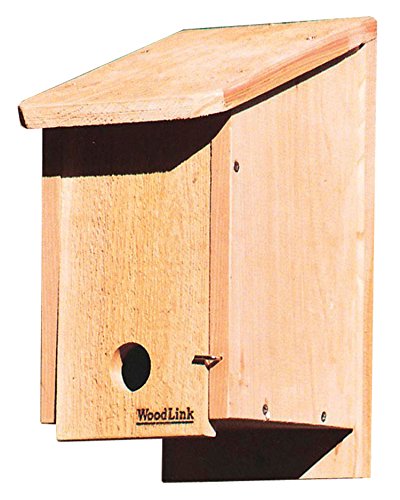
The Woodlink Cedar Winter Roosting/Shelter Box is a compact shelter designed to protect smaller songbirds during cold months. It features a 1 9/16 inch entrance hole that suits wrens, chickadees, and similar species, while offering shelter from predators, rain, snow, and harsh winds. Built from re-forested, kiln-dried inland red cedar, the box emphasizes durability through seasonal use and simple maintenance with screws for easy cleaning. Its cedar construction helps resist moisture and holds up to outdoor conditions, making it a reliable winter roost option.
Bird lovers will appreciate its straightforward design that prioritizes warmth and protection. The entrance size is optimized to deter larger predators while remaining accessible for target species. Mounting options vary by installer preference, but placing the unit in a sheltered area with some shade can extend its lifespan and comfort for winter roosts.
Small Winter Roost Bird House – Cold Weather Shelter
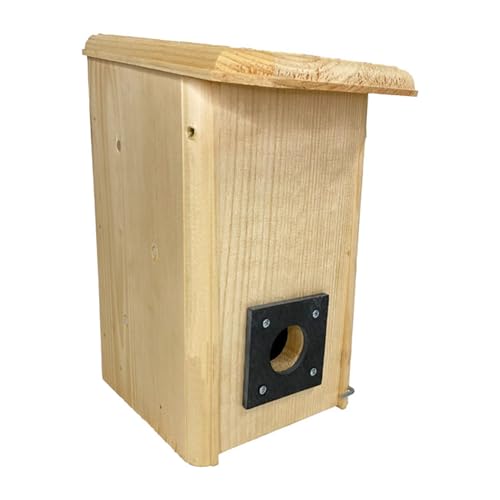
This insulated pine roosting box from Coveside offers a warm winter refuge for wrens, chickadees, titmice, bluebirds, and other small backyard birds. Its three sturdy internal perches enable communal roosting, helping birds conserve heat during freezing weather. A natural slate predator guard reinforces the entrance, deterring squirrels and woodpeckers from enlarging the hole and compromising safety. The overall design balances insulation, airflow, and ease of cleaning, making it a practical choice for winter roosting and seasonal shelter.
The unit’s “group roosting” approach helps birds share warmth, which can improve survival during cold periods. The 1.5″ entrance guard reduces access by larger competitors while allowing small species to enter comfortably. Consider placing this roost box in a partially shaded area to prevent overheating on mild winter days while ensuring it remains accessible to the target birds.
Convertible Winter Roost & Birdhouse
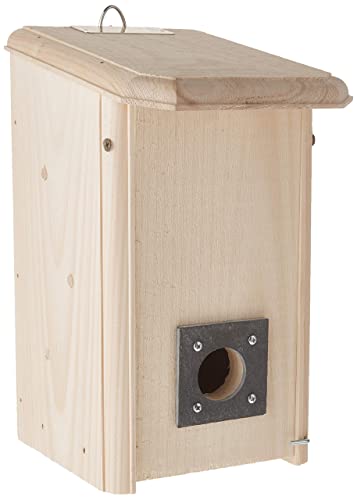
The Convertible Winter Roost & Birdhouse is a 2-in-1 design that switches between a winter roost and a spring nesting box. It features a 1″ thick Eastern White Pine build for enhanced insulation and durability, helping birds stay warm during cold seasons. In winter, use the included perches and bottom vent to maximize comfort; in spring, flip the front panel and remove perches to create a standard nesting box. This flexibility makes it a versatile option for backyard birders seeking year-round use from a single structure.
Construction quality is notable, with solid pine and careful craftsmanship. The reversible front panel streamlines seasonal changes and reduces the need for multiple boxes. Placement should consider sun exposure and predator access; mounting on a sturdy post or tree trunk at a sheltered height minimizes weather impact and maximizes bird visits.
Mounted Downy Woodpecker Bird Nest House
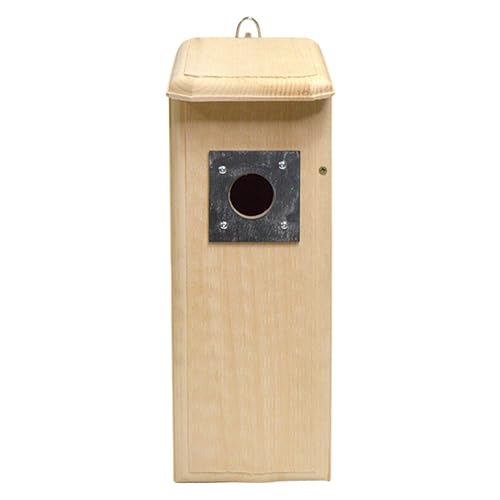
Designed for Downy Woodpeckers, this Eastern White Pine house provides a safe nesting and roosting space across the eastern U.S. Its slate squirrel guard helps prevent entry enlargement, and a bag of wood chips simulates natural cavities to encourage quick settlement. The box doubles as a reliable winter roost when used in the colder months, while still offering a suitable nesting environment come spring. The compact size and sturdy construction suit woodland corners, backyards, and garden trees where woodpeckers visit.
Key considerations include the entrance size, predator guards, and ease of cleaning. Since woodpeckers prefer vertical cavities, ensure the location aligns with their typical foraging and drilling habits. Regular maintenance of the guard and interior ensures long-term use and safety for birds roosting or nesting.
3/4 Inch Cedar Bird Houses With Predator Guard

These 3/4 inch thick cedar bird houses combine premium cedar construction with a metal predator guard for easy maintenance and resistance to weather. The design supports year-round use, offering nesting space for a variety of species such as bluebirds, wrens, chickadees, and small songbirds. The set highlights durability and weatherproof performance, ideal for yards that experience heavy winter conditions. An easy-clean design enhances longevity and reduces the risk of parasite buildup between seasons.
When selecting a cedar roost box, consider hole size, venting, and ease of access for cleaning. Cedar’s natural oils resist decay and help protect the box from moisture, which is advantageous in winter. The predator guard adds a layer of security for winter roosting, while durable fasteners aid in sturdy installation on fences, posts, or trees.
Buying Guide: Key Purchase Considerations And Comparisons
Material and insulation: Cedar and pine offer natural insulation and moisture resistance. Cedar tends to be more weather-resistant, while pine may be more budget-friendly. For harsh winters, look for thick walls, venting that balances airflow with warmth, and internal perches that prevent crowding.
Entrance size and predator protection: The entrance hole size should accommodate target species while deterring larger predators. Predator guards, slate overlays, and metal reinforcement help prevent enlargement and protect nest sites during winter roosting.
Versatility and seasonality: A 2-in-1 roost and nesting box provides year-round value. Reversible front panels and removable perches simplify seasonal transitions, enabling winter roosting and spring nesting without extra boxes.
Internal layout: Internal perches, bottom vents, and wood chips or cavities influence roost comfort and bird acclimation. Communal roosting designs can conserve heat but must ensure safe spacing to avoid crowding during chilly nights.
Durability and installation: Choose units built with screws rather than nails for easier maintenance. Consider mounting height, sun exposure, and shelter from wind. Secure attachments to trees, posts, or fences to withstand winter weather and wildlife activity.
Maintenance: Regular inspection for moisture damage, cleaning between seasons, and replacement of pads or chips helps sustain a healthy roost environment. Transparent viewing options can enhance observation without disturbing birds.
Species compatibility: Match entrance size and cavity dimensions to the expected visitors—wrens, chickadees, titmice, bluebirds, and woodpeckers each have distinct preferences. If you attract multiple species, ensure designs accommodate a range of sizes and behaviors.
Price and availability: While not listing prices here, compare per-box value by evaluating durability, insulation, and multi-season versatility. Check shipping times and return policies when ordering online.
In summary, the right winter roost box balances warmth, predator protection, ease of maintenance, and adaptability to your local birds. The selections above emphasize durable materials, practical designs, and flexible use to maximize backyard bird activity through the cold season.