Protecting a garden with a solar-powered fence combines reliability, ease of installation, and eco-friendly energy. The following selections cover a range of garden sizes and needs—from compact units ideal for small plots to robust chargers suitable for larger garden setups and perimeter protection. Each option emphasizes portability, battery efficiency, and weather resilience, helping you maintain uninterrupted fencing with minimal maintenance.
| Product | Brand | Range / Output | Key Benefit |
|---|---|---|---|
| 10 Miles Solar Electric Fence Charger | ANDMON | Up to 2 miles (2 miles effective fencing) | Portable, reliable day/night mode |
| 24 Hour Solar Electric Fence Charger | Epoify | Up to 10 miles | All-in-one 24-hour protection |
| ANDMON S600 Solar Fence Charger | ANDMON | Up to 35 miles | High joule output with flexible mounting |
| Gallagher S6 Solar Fence Charger | Gallagher | Grounding-ready; suitable for small to medium gardens | Direct ground mounting, lithium battery |
| Gallagher S12 Solar Fence Charger | Gallagher | Up to 4 miles | Lightweight, rugged and portable |
Note: This selection emphasizes garden-friendly models with reliable solar power, compact design, and straightforward installation. Each listed product is supported by a built-in solar panel and rechargeable battery, designed to maintain fence charge even during variable weather conditions. The goal is clear containment for garden plots, poultry corrals, and small-perimeter setups without relying on constant electrical access.
ANDMON 10 Miles Solar Fence Charger With Day/Night Mode

The ANDMON model is a compact, portable solar fence charger designed for easy relocation and quick setup. It energizes up to about 2 miles of fencing and includes a day/night mode to optimize power use according to ambient light. The charger relies on a built-in GEL battery and solar panel, enabling 24-hour operation and steady power even through low-light conditions. This unit is well-suited for temporary or rotational grazing, garden perimeter protection, and quick deployment in changing fence configurations.
Epoify 24 Hour Solar Fence Charger, 10 Miles

The Epoify unit is built for all-day protection with a focus on portability. It can power up to 10 miles of fencing and promises continuous 24-hour performance by storing energy in a rechargeable battery and leveraging daylight to recharge. Its rugged design suits farms and gardens requiring steady energy supply in varied weather, making it a practical choice for larger garden plots or mixed-use perimeters that need reliable performance beyond daylight hours.
ANDMON S600 Solar Electric Fence Charger

The S600 model offers a higher output, designed to cover longer stretches—up to 35 miles—with 0.65 joules. It features a solar panel and a built-in 12V/7.2Ah battery, providing up to two weeks of operation without direct sun. Its versatility allows installation on multiple post types, including Y-posts, T-posts, and wood posts. This unit is ideal for larger garden boundaries or mixed-use plots needing stronger deterrence against intruders and wildlife while maintaining eco-friendly energy use.
Gallagher S6 Solar Electric Fence Charger
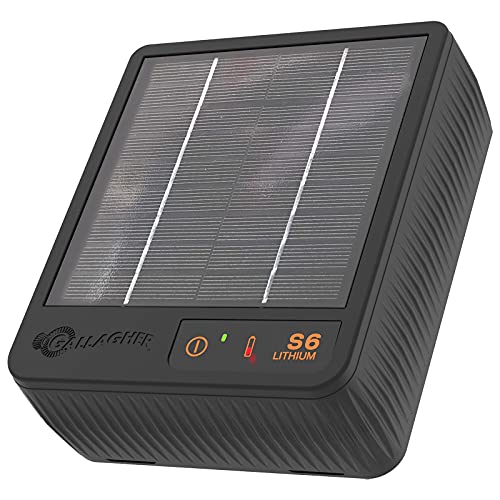
The Gallagher S6 is a compact solar energizer designed for small to medium garden setups. It mounts directly to a grounding rod and runs on a lithium battery with solar charging, delivering dependable performance for seasonal fencing needs. Its ground-mount design and compact footprint are advantageous for homeowners who want an unobtrusive, easy-to-install option. The unit excels in gardens, poultry enclosures, and perimeter barriers where space and aesthetic considerations matter.
Gallagher S12 Solar Electric Fence Charger
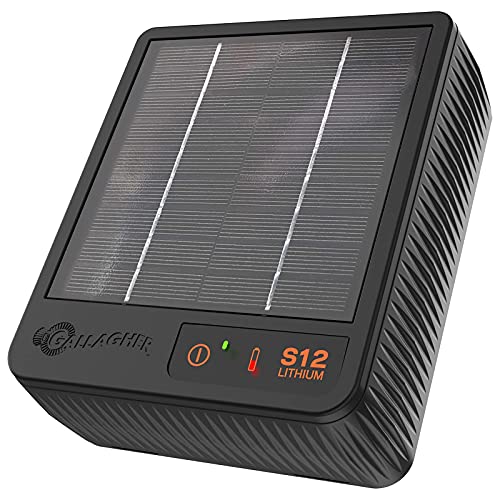
The S12 is oriented toward hobby farmers and gardeners seeking a balance of weight and power. It runs on solar energy with a lithium battery, offering reliable off-grid operation for small enclosures or garden sections. Its design supports portability and rugged use in variable conditions, ensuring consistent fence performance for basic containment tasks in residential settings and smaller farm plots.
Buying Guide: Key Considerations For Solar Fence Chargers
Choosing the right solar fence charger for a garden depends on fence length, target animals, climate, and maintenance preferences. Consider the following factors to compare options effectively:
- Fence length and energy needs: Match the unit’s joule rating and range to the total length of fencing and the type of animals. Larger gardens or areas with wildlife pressure benefit from higher output and longer battery life.
- Power source and reliability: Look for units with robust solar panels and rechargeable lithium or gel batteries. A model with day/night modes can optimize energy use in variable sunlight.
- Installation flexibility: Post types, mounting options, and grounding requirements affect ease of setup. Some units offer direct grounding rod mounting, while others require additional ground accessories.
- Portability: If you rotate fences or move units between plots, prioritize lightweight, compact, and easily transportable chargers with built-in carry handles.
- Weather resilience: Gardens require gear that tolerates rain, sun, and temperature swings. UV-resistant housings and sealed battery compartments improve longevity.
- Maintenance requirements: Consider battery replacement intervals, ease of cleaning, and whether the unit supports automatic 24-hour protection without frequent recharging.
Comparison at a glance shows that mid-range to high-output units provide longer protection windows, while compact options offer quick setup and easy relocation for smaller gardens. Foreseeing seasonal needs—such as birds, deer, or roaming pets—helps tailor the selection to specific garden security goals. Always verify grounding requirements and follow manufacturer guidance for optimal performance and safety.