Choosing the right filtration for drip irrigation ensures emitters don’t clog and plants receive consistent watering. This guide highlights top sand-filter-like filtration options that effectively remove sand, sediment, and debris while maintaining system flow. Each product below is evaluated for filtration area, mesh compatibility, durability, and installation ease, helping you compare performance and value across common garden setups.
| Product | Brand | Type | Mesh/Filtration | Best For |
|---|---|---|---|---|
| Drip Depot Irritec 3/4″ Hose Thread Filter | Drip Depot | Inline Hose Thread Filter | Mesh unknown | Basic drip lines |
| DIG P09-155 3/4″ FHT X MHT Y Filter | DIG | Inline Y Filter | 155 Mesh | Fine particulates up to 155 mesh |
| One Stop Outdoor 3/4″ Y Filter | One Stop Outdoor | Inline Y Filter | 155 Mesh | General filtration |
| Glooglitter 4 Pcs Drip Irrigation Inline Y Filter | Glooglitter | Inline Y Filter (4 pack) | 200 Mesh | Multiple stations |
| Glooglitter 2 Pcs Inline Y Filter | Glooglitter | Inline Y Filter (2 pack) | 2 mesh options | Small to medium systems |
Drip Depot Irritec 3/4″ Hose Thread Filter
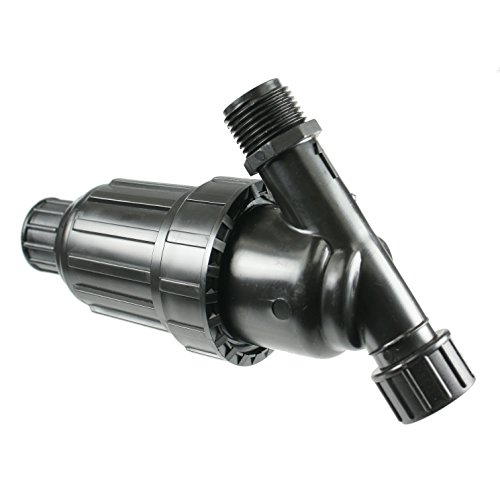
The Drip Depot inline filter offers a straightforward filtration option for drip systems, connecting with 3/4″ hose threads to help remove larger debris before entering emitters. Its compact design supports maintenance in residential irrigation setups, reducing the risk of clogging from sand and sediment. Installation is simple for standard drip lines, and compatibility with common fittings makes this a practical entry point for filtration-focused system upgrades.
DIG P09-155 3/4″ FHT X MHT All-Purpose Y Filter
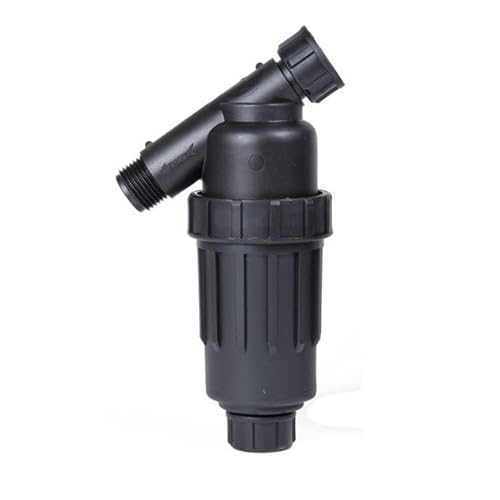
The DIG P09-155 inline Y filter is designed for heavy-duty filtration in irrigation systems, offering up to 120 PSI and a flow rate of 13 GPM. It supports either 155 or 200 mesh polyester screens, providing versatile filtration for drip emitters, micro sprinklers, and valves. Its wide filtration surface lowers cleaning frequency and helps maintain steady pressure, making it a strong choice for clay soil or sandy environments where debris is a concern.
One Stop Outdoor 3/4″ Drip Irrigation Y Filter

This all-purpose inline Y filter from One Stop Outdoor features a large filtration area and low friction loss, contributing to longer maintenance intervals. It’s suitable for drip irrigation or micro-sprinkler setups and emphasizes chemical resistance for common irrigation additives. The robust design supports consistent filtration across a range of garden sizes, from small borders to larger vegetable plots.
Glooglitter 4 Pcs Drip Irrigation Inline Y Filter
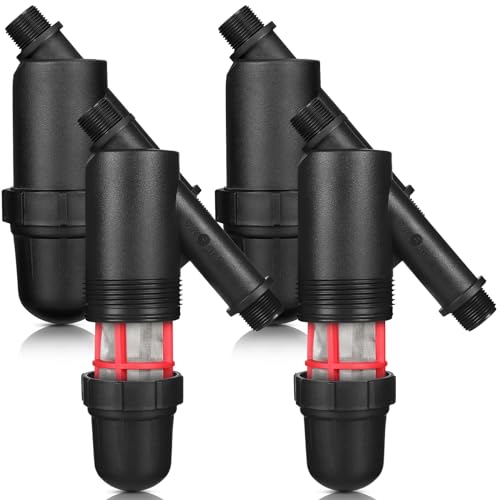
The Glooglitter four-pack provides a multi-filter approach for larger systems or multi-zone irrigation. Each inline Y filter includes mesh screens designed to reduce clog risk and support longer run times between service. The compact Y-shaped design and 3/4″ male fittings make it compatible with standard irrigation hardware, making it a practical choice for households with several garden beds or planters.
Glooglitter 2 Pcs Drip Irrigation Inline Y Filter
This two-pack offers a flexible option for smaller systems or to implement filtration at multiple points along a drip layout. The included mesh screens provide a balance between filtration efficiency and flow, with 3/4″ male thread connections ensuring quick installation alongside valves, regulators, and pressure-rated components. Ideal for hobbyist gardens and smaller landscapes where simplicity matters.
Buying Guide: Key Factors To Compare When Selecting Drip Irrigation Filters
- Filtration Mesh and Debris Tolerance: Higher mesh numbers remove finer particulates but can increase flow resistance. Assess soil type and emitter sensitivity to determine whether 155–200 mesh filtration best fits your system.
- Flow Rate and Pressure Range: Ensure the filter supports your system’s GPM and that operating pressure stays within recommended limits to prevent flow loss or filter damage.
- Housing Material and Durability: UV-stable plastics and corrosion-resistant components extend service life in outdoor environments. Consider exposure to sun, irrigation chemicals, and fertilizer residues.
- Connection Size and Compatibility: Most filters use 3/4″ hose thread or standard FHT/MHT fittings. Confirm end fittings match your drip hoses, regulators, and emitters to avoid adapters.
- Maintenance and Cleaning Frequency: Larger filtration areas reduce cleaning frequency. If you have sandy soil, prioritize filters with larger filtration surfaces and easy access for flushing.
- System Scale: For multi-zone gardens or hydroponic setups, consider multi-pack options to place filtration at multiple points, minimizing clog risk across all lines.
- Ease Of Installation: Some inline filters offer quick-connect designs or simple scissor clamps. If you’re a DIY gardener, choose models with clear instructions and readily available replacement screens.
- Cost vs. Benefit: While premium filters may carry higher upfront costs, they often offer longer service intervals, reducing maintenance time and water waste over the season.
In practice, a DIG P09-155 or One Stop Outdoor Y Filter typically suits medium to larger drip systems needing reliable particle removal, while Glooglitter options provide budget-friendly, scalable filtration for smaller layouts or multi-zone setups. For gardeners with sandy soils, opting for filters with larger filtration areas can substantially reduce cleaning frequency and preserve emitter flow.