The best rubber tree seed options balance ease of growth, clever use indoors, and potential outdoor performance. This guide highlights seeds that produce hardy Ficus and related rubbery plants, helping beginners and experienced gardeners choose seeds that fit their space. Top picks are ideal for starting new houseplants, adding greenery to offices, or creating a small outdoor screen where climate allows. Each entry notes who benefits most, why it’s a strong choice, and a practical caveat. Use the buying table below to compare key details at a glance.
| Product | Best For | Why It Stands Out |
|---|---|---|
| 50 Weeping FIG Ficus Benjamina Seeds | Indoor growers and beginners | Eases into ficus cultivation with clear indoor-outdoor versatility |
| Shop Succulents Ficus Burgundy | Modern interiors and offices | Compact, burgundy foliage; low maintenance |
| 25pcs Eucommia ulmoides Seeds | Rare rubber-tree option | Hardy temperate-climate rubber tree alternative |
| 20 Pcs Sweet Cherry Tree Seeds | Backyard gardeners and edible harvests | Edible fruit potential; indoor/outdoor adaptability |
| Dwarf Lemon Bonsai Tree Seeds | Compact fruiting bonsai | Fast-growing citrus bonsai with edible fruit |
Below are five detailed product sections to help you compare quickly and pick the best seed set for your space and goals. Each entry includes practical notes on who it’s best for and any limitation to consider.
50 Weeping FIG Ficus Benjamina Seeds

Best for: Indoor growers and beginners who want a flexible ficus starting point. The seed set covers enough plants to test different indoor conditions and timing for germination. Ficus Benjamina adapts to bright indirect light but can tolerate lower light, making it suitable for living rooms, offices, or bedrooms.
Why selected: The package emphasizes easy growing both indoors and after frost outdoors, with spacing guidance to help you manage future plant spacing in pots or gardens. This makes it a practical seed choice for first-time ficus growers.
Caution: Germination success depends on proper frost timing and soil moisture. Start indoors weeks ahead of the last frost for best results, as noted in the product features.
Shop Succulents Ficus Burgundy

Best for: Indoor spaces needing a stylish, low-maintenance rubber plant look. This burgundy-leaf variety is visually striking in homes or offices and is generally forgiving for beginners.
Why selected: It’s described as a low-maintenance plant that thrives in bright indirect light, with air-purifying benefits and a sophisticated color palette that complements modern decor.
Caution: Quality images emphasize a potted plant; seed-to-plant outcomes aren’t guaranteed in every setting. Light consistency is important for color retention and growth rate.
25pcs Eucommia Ulmoides Seeds

Best for: Gardeners seeking a rare rubber-tree option suitable for temperate climates. Eucommia ulmoides is noted as a hardy tree capable of producing rubber-like latex under certain conditions.
Why selected: The product highlights rapid growth, pest and disease resistance, and suitability for urban or street plantings, along with a zone range of 5-9, which informs climate feasibility.
Caution: It is a rare species; germination and long-term success may vary with climate and soil conditions. Verify local guidelines for planting in urban spaces.
20 Pcs Sweet Cherry Tree Seeds
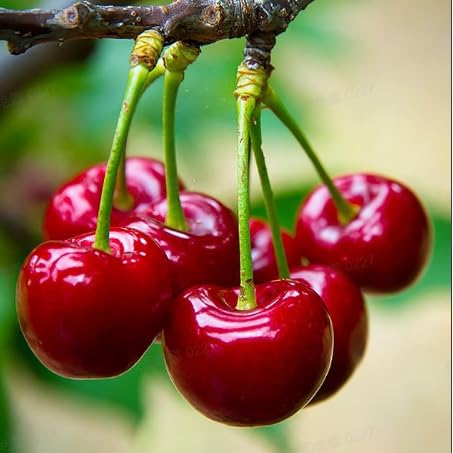
Best for: Home gardeners aiming for edible fruits with ornamental value. Cherry trees can be nurtured indoors for germination experiments or outdoors in suitable climates.
Why selected: The pack includes non-GMO heirloom seeds with the potential for produce and culinary uses, aligning with buyers seeking edible harvests from seed-grown trees.
Caution: Growth requires sufficient light and appropriate soil; indoor germination may be slower, and cherry trees typically need outdoor space to reach full fruiting potential.
Dwarf Lemon Bonsai Tree Seeds

Best for: Citrus lovers who want a compact, fruiting bonsai for indoors or small spaces. Lemon seeds germinate into bonsai-friendly trees with fragrant fruit-bearing potential.
Why selected: The seeds promise a delicious, edible outcome and are described as a unique, fast-growing option for bonsai enthusiasts, suitable for home gardening projects.
Caution: Germination rates can vary, and bonsai cultivation requires careful pruning and training to maintain a compact form and avoid overgrowth.
Buying Guide
What should you consider when choosing rubber tree seed options? Focus on climate compatibility, space, and intended use. For indoor spaces, prefer species labeled as easy to grow with indirect light tolerance. If you want edible or ornamental trees outdoors, check zone recommendations and long-term growth height.
Seed-to-plant timelines vary. Some seeds germinate quickly indoors with consistent warmth and moisture, while others need stratification or longer maturation periods. Consider your schedule and willingness to provide ongoing care.
Light and soil are critical. Rubber tree-related seeds typically prefer bright indirect light and well-draining soil. Indoor environments may require supplemental lighting or careful watering to prevent overwatering.
Space planning matters. If you’re growing multiple plants from seed, plan for eventual size and spacing. Indoors, pot sizes and potting mix quality influence early growth and root development.
Maintenance and care. For bonsai-oriented seeds, pruning, training, and pot changes are part of the process. For fruiting varieties, be prepared for seasonal care and potential fruiting timelines depending on climate.
FAQ
- Q: Are rubber tree seeds easy to grow indoors? A: Some varieties, like Ficus Benjamina, are beginner-friendly with indirect light and moderate watering needs.
- Q: Do Eucommia seeds reliably produce rubber latex? A: Eucommia is a rare option; latex production depends on climate, age, and growing conditions.
- Q: Can I plant cherry or lemon seeds indoors? A: They can germinate indoors, but fruiting usually requires outdoors and proper climate and space.
- Q: What is the best way to start bonsai fruit seeds? A: Start seeds in a well-draining mix, maintain moisture, and plan for long-term pruning to shape the tree.
- Q: How many seeds should I plant at once? A: Start with a few seeds per container to monitor germination and select the strongest seedlings for transplanting.