Protecting flocks while allowing outdoor exercise is essential for backyard poultry. This guide highlights five predator fences and nets that balance security, ease of use, and value. From electric nets to sturdy non-electric boundaries, these options help keep foxes, raccoons, and other threats at bay while letting chickens roam safely.
| Product | Brand | Key Benefit |
|---|---|---|
| Happy Henhouse Electric Poultry Netting | Happy Henhouse | Built-in poles; 48″ height; weatherproof |
| RentACoop Non-Electric Boundary Fence | RentACoop | Simple, portable, no power required |
| Land Guard 1/2″ Hardware Cloth Fence | Land Guard | Heavy-duty wire mesh for durable protection |
| Electric Poultry Netting (FZIFZI) | FZIFZI | Pre-attached posts; quick setup |
| RentACoop Electric Fence (168′ x 48″) | RentACoop | Long reach with sturdy FRP posts |
Happy Henhouse Electric Poultry Netting – Premium, Portable & Weatherproof
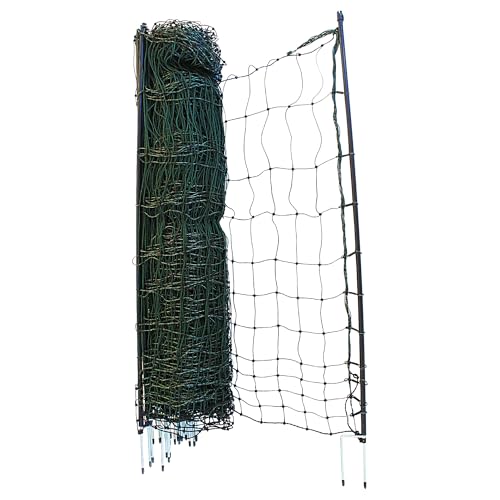
The Happy Henhouse netting provides a robust 164 feet of secure boundary for flocks. Its built-in, pre-attached fiberglass poles reduce setup time, enabling tool-free installation. At 48 inches high, the fence helps keep curious birds inside while deterring common predators such as foxes and raccoons. The system is designed to withstand sun, rain, and seasonal weather with UV resistance, ensuring long-term use as your flock expands across coops, gardens, or pasture edges.
Features emphasize both freedom and protection: a safe zone for feathered friends, weatherproof materials, and extendable sections to grow with your flock. The netting supports scalable fencing, allowing you to shade or extend coverage as needed. This option is ideal for those seeking a portable, high-visibility electric boundary with quick setup and dependable durability.
RentACoop Non-Electric Boundary Fence

This non-electric boundary fence is designed for versatility and portability. It creates a secure space for chickens and other small animals without the need for a powered energizer. The netting is lightweight, easy to cut and configure, and includes an extra post so you can form two separate enclosures if needed. It’s suitable for temporary runs, gardens, or pasture edges where power access is limited or undesired.
Key considerations include ease of handling, the ability to customize enclosure shape, and the trade-off of not relying on electrical deterrents. It works well for growers who prioritize low maintenance and flexibility over electrified defense and can be paired with monitoring and regular site checks to ensure predator deterrence remains intact.
Land Guard 19 Gauge Hardware Cloth Fence

The Land Guard hardware cloth fence uses 19-gauge galvanized welded mesh with a 1/2 inch opening, designed to deter a range of predators while offering sturdy containment for poultry. The roll measures 16 inches by 50 feet, combining corrosion resistance with durable construction. This fence is suitable for chicken runs, rabbit enclosures, or garden borders where a more rigid, long-lasting barrier is preferred over flexible netting.
Consider its galvanized finish and welded-mesh construction when evaluating long-term outdoor use. This option emphasizes reliability and rigidity, making it a strong choice for projects that require a fixed, durable barrier that resists deformation and weathering.
Electric Poultry Netting, 47.2″ H x 164′ L

This electric fence netting provides a tall, 47.2-inch barrier spanning 164 feet, suitable for chickens, ducks, geese, and other poultry. It features 14 pre-attached galvanized fiberglass posts spaced every 12 feet to prevent sagging, plus 7-inch double-pointed steel ground stakes for stability on uneven terrain. Quick setup and portable design allow relocation for rotational grazing, while the electric element deters predators effectively when paired with a compatible energizer (not included).
Safety considerations include proper energizer selection, fence height to limit access by climbing predators, and ground stake placement to maintain tension. This option suits those who want a reliable electric solution with built-in posts that speed assembly and minimize loose components.
RentACoop Poultry Netting Electric Fence (168′ x 48′)

This electric fence offers substantial coverage with 168 feet of length and a 48-inch height, delivering over 1,700 square feet of protection. Pre-attached FRP posts every 12 feet ensure structural integrity, while triple-braided stainless-steel wire provides dependable fencing. The design supports safe, predator-deterring voltages when paired with a suitable energizer (energizer not included), making it well-suited for larger coops or yard layouts requiring longer runs.
Users should consider energizer compatibility, ground conditions, and the need for consistent power access. The longer run is advantageous for expansive areas but requires more careful electrical setup and monitoring to maintain performance across the entire perimeter.
RentACoop Poultry Netting Electric Fence (168′ x 42′)

This variant provides 168 feet of length and stands 42 inches tall, offering a slightly shorter option for spaces with height constraints. Its pre-attached FRP posts every 12 feet and triple-braided stainless-steel wire deliver security, while the design remains easy to deploy and relocate. It pairs well with portable pens for rotational grazing or temporary runs, especially where nearby structures or vegetation require a lower fence side.
Consider the impact of the shorter height on predator deterrence in your area and ensure you have a compatible energizer if you plan to run electricity through the netting. The balance of portability and protection makes this a flexible choice for seasonal use or smaller yards.
Electric Fence Netting, 42.6″ H x 164’L

Offering 42.6 inches in height and 164 feet in length, this netting net is designed for flexible deployment and predator deterrence for poultry and other small livestock. It features 14 posts with double spikes for stability and is built to work in varied outdoor environments. The design emphasizes quick setup and portability, making it suitable for rotating pastures, gardens, or temporary enclosures where predators are a concern.
Important considerations include ensuring compatibility with a power source and angling the netting to prevent sagging on uneven terrain. This option is attractive for owners prioritizing mobility and rapid deployment without heavy installation requirements.
Buying Guide: Key Purchase Considerations and Comparisons
- Fence type and power: Electric fences offer stronger predator deterrence but require a compatible energizer and ongoing power considerations. Non-electric fences rely on physical barriers and are maintenance-light but may be less deterrent in some areas.
- Height and coverage: Taller fences (around 42–48 inches) reduce the risk of birds escaping and deter climbing animals. Longer runs help cover larger areas but require sturdier posts and tensioning.
- Material durability: Galvanized steel and fiberglass posts provide longevity and resistance to weather. UV-resistant netting and weatherproof coatings help maintain integrity over seasons.
- Portability vs. permanence: Lightweight netting and portable frames suit seasonal use and rotational grazing. Fixed hardware cloth or welded mesh fences are better for long-term setups.
- Installation effort: Fences with pre-attached posts and tool-free assembly save time. Ensure you have the right tools and know-how for grounding (electric) or stakes placement (non-electric).
- Predator considerations: Local wildlife (foxes, raccoons, coyotes) influences fence choice. Combining a physical barrier with an electric deterrent often yields the strongest protection.
- Maintenance and safety: Regular inspections for damaged wires, loose posts, and gate integrity are essential. For electric setups, follow safety guidelines to protect both animals and humans.
- Cost and scalability: Budget for initial setup and potential expansion. Non-electric options may be cheaper upfront but could require more space or adjustments to meet predator pressure.
- Power availability: If choosing an electric option, assess access to electricity or solar charging options and uptime during adverse weather.
- Ease of relocation: If you rotate flocks or adapt layouts seasonally, portable netting with lightweight posts offers advantages in flexibility.