Selecting the right pasture seed mix is essential for durable, nutritious grazing for horses. The following picks are designed to withstand grazing pressure, thrive in varied climates, and promote steady, high-quality forage. Each product highlights key benefits such as rapid establishment, endophyte-free options, drought tolerance, and nutrient-rich blends for balanced horse diets.
A quick summary table of the showcased products helps you compare core features at a glance. (All items are suitable for pastures or overseeding hay fields and are chosen to support healthy, sustainable grazing.)
| Product | Brand | Key Benefit | Ideal For |
|---|---|---|---|
| Mountain View Seeds 100371 Horse Pasture Mix | MOUNTAIN VIEW SEED | High forage yields; handles close grazing | Pastures and hay fields |
| X-Seed Land Over-Seeder Mix | X-Seed | Micro-Boost growth; versatile blend | Restoring or seeding new pastures |
| Barenbrug SeedPasture25 | Barenbrug | Rapid establishment; endophyte-free | Pasture growth and repair |
| Outsidepride Horse Choice Mix | Outsidepride | High-yield, drought-tolerant blend | Grazing, hay, silage |
| Barenbrug Horsemaster Premium | Barenbrug | Palatable, persistent pasture mix | New seeding or thickening |
Mountain View Seeds 100371 Horse Pasture Mix
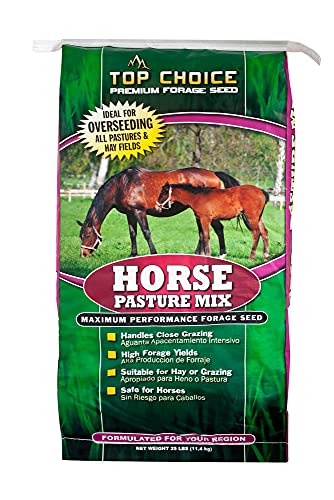
The Mountain View Seeds mix is designed for over-seeding pastures and hay fields, with a focus on robust forage yields. It supports close grazing pressures, making it a practical option for farms with high animal density. The blend emphasizes forage production while maintaining resilience in varied soils and climates, which helps reduce gaps in grazing throughout the season. For horse owners seeking a straightforward seed solution, this mix balances accessibility and performance.
Key considerations include establishment speed, compatibility with existing pasture species, and long-term persistence under grazing. The seed mix is marketed for ease of use in overseeding, with a strong emphasis on high forage yields that contribute to daily feeding needs without excessive supplementation. When assessing this option, consider your pasture’s current composition, grazing strategy, and soil health to maximize results.
X-Seed Land Over-Seeder Pasture Forage Seed Mix

X-Seed’s over-seed mix integrates Micro-Boost nutrients to improve germination and promote longer, more fibrous roots. This supports rapid establishment and stronger seedlings, which is especially helpful when reviving worn pastures or integrating into established fields. The blend is described as versatile enough for various livestock, including horses, and it’s intended to perform well across different light, soil, and moisture conditions. It is formed to help rebuild pasture density in both cool and warm climates.
Consider the seed composition, which includes a mix of intermediate ryegrass and orchard grass with clover components. When evaluating this option, account for your soil profile, sun exposure, and rotation plans, as these variables influence how quickly you’ll see usable forage and how well the pasture stands up to grazing intensity.
Barenbrug SeedPasture25 Seed Mix

This Barenbrug option emphasizes rapid establishment and pasture repair. It is endophyte-free, which is an important consideration for horse pastures, aiming to reduce the risk of endophyte-related livestock issues. The mix is described as suitable for various climate zones, supporting recovery of damaged pastures while enabling reliable grazing across seasons. The seed blend is well-suited for both converting marginal lands and maintaining dense, palatable forage for horses and other livestock.
Key purchase factors include endophyte status, adaptability to northern and transitional climates, and the potential to integrate with existing forage. For horse management, verify that the blend aligns with your grazing plan, fencing strategy, and hay production goals to ensure long-term pasture health and productivity.
Pasture Seed 25 Lb (23094) By Barenbrug

Barenbrug’s 25 lb pasture seed is designed to be safe and highly palatable for horses and other livestock. The mix emphasizes durability under high grazing pressure and aims to deliver excellent nutritional fiber through the forage produced. It’s presented as a durable option that can tolerate grazing intensity while maintaining pasture health, supporting steady forage supply for horses on active grazing programs. This product is a strong candidate when prioritizing digestibility and long-term pasture resilience.
In evaluating this option, consider your stocking rate, rotation plan, and seasonal growth patterns. The goal is to balance palatability with persistency, ensuring your horses have reliable access to nutritious forage without overworking the pasture infrastructure.
Outsidepride Horse Choice Pasture & Livestock Mix
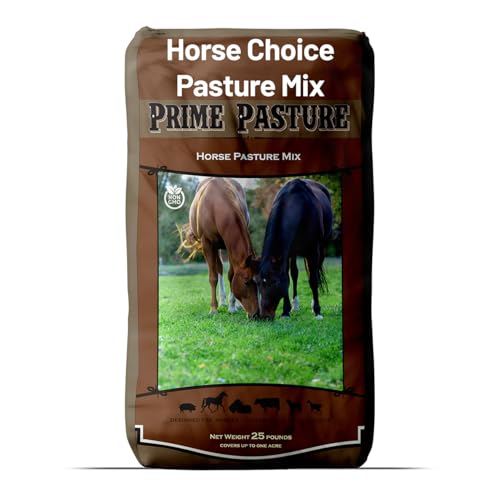
Outsidepride’s Horse Choice mix emphasizes high yield, drought tolerance, and cold hardiness, with a blend that includes orchard grass, timothy, fescue, and Italian ryegrass. This combination provides a steady forage supply suitable for grazing, hay, and silage. The design supports consistent growth across USDA zones 3–10, and the deep root system aids soil stability and moisture retention, which can reduce maintenance needs in uneven or drought-prone years.
When choosing this mix, consider your climate zone, irrigation options, and rotational grazing plans. A blend with strong drought tolerance may reduce supplement costs and improve pasture resilience in longer dry spells, while ensuring horses receive adequate protein and fiber through forage quality.
Barenbrug Horsemaster Premium Pasture Mix

Horsemaster Premium focuses specifically on horse pastures, featuring a highly palatable and digestible fiber source. The blend is versatile for new seeding or thickening existing pastures and includes late-maturing orchardgrass, a continental tall fescue variety, intermediate perennial ryegrass, timothy, and Kentucky bluegrass. It’s designed to tolerate grazing pressure while maintaining pasture density and nutritional value, with potential water-saving seed coatings that help during hot or dry periods.
Key considerations include palatability, fiber content, and how the mix holds up under repeated grazing. For horse-focused pastures, the balance between fiber digestibility and forage density is critical to meet daily grazing needs while preserving soil structure and long-term pasture health.
Buying Guide: Key Purchase Considerations And Comparisons
- Endophyte status: Endophyte-free seeds are generally preferred for horses to minimize potential adverse effects while still delivering strong pasture resilience.
- Establishment speed: Quick germination and rapid ground cover reduce bare soil, erosion, and weed invasion, especially in over-seeded pastures.
- Climate adaptability: Choose blends suited to your USDA zone, rainfall patterns, and seasonal temperature swings to ensure consistent growth year-round.
- Grazing tolerance: Look for mixes designed for high traffic and close grazing, ensuring forage quality remains high even with heavy horse use.
- Nutrition and fiber: Prioritize mixes that provide balanced fiber and energy. For horses, palatability and digestibility are critical.
- Soil health and soil-building potential: Some blends contribute to soil structure and nitrogen fixation (via legume components), supporting long-term pasture vitality.
- Water and drought resilience: In drier regions, drought-tolerant blends reduce irrigation needs and support stable forage supply during dry spells.
- Maintenance and rotation: Consider how the mix supports rotational grazing, rest periods, and hay production to optimize pasture management.
- Seed quality and seed coatings: Coatings can aid establishment and water efficiency, but verify compatibility with your grazing schedule and equipment.
- Cost-per-forage-value: Compare long-term forage yield, pasture durability, and maintenance needs, not just upfront seed price.
In summary, selecting the best pasture seed mix for horses involves balancing establishment speed, climate adaptability, and forage quality. End-use goals—whether improving an existing pasture, repairing damaged fields, or creating a new, drought-tolerant grazing system—should guide the final choice. Potential buyers should align seed composition with their grazing plan, soil health, and regional conditions to achieve stable, nutritious forage across the grazing season.