Shade-loving Japanese maples add graceful texture, seasonal color, and a refined silhouette to any garden. This guide highlights five standout selections that perform well in shaded to partially shaded spots, offering foliage color, bark interest, and reliable growth. Each option is suited for landscapes ranging from compact urban yards to larger shade gardens, with attention to size, color shifts, and overall resilience. Explore these picks to find a maple that enhances your outdoor space while delivering easy upkeep.
| Product | Brand | Key Benefit |
|---|---|---|
| 25PCS Red Japanese Maple Tree Seeds Acer Palmatum | BULBORIUM | Fast-growing, ornamental red foliage for shade or bonsai use |
| Japanese Red Maple, Compact, 3 gal | Generic | Compact habit ideal for small shade gardens |
| The Japanese Sango Kaku Maple, 1 gal | Generic | Coral-bark winter interest, vibrant fall color |
| METAMORPHOSA Japanese Maple, 4″ Pot | Hirt’s Gardens | Proven Winners selection with adaptable sun/shade needs |
| The Japanese Sango Kaku Green Maple | Generic | Green leaves with coral bark accents in winter |
Choosing the right maple for shade means balancing growth rate, size, leaf color, and seasonal appeal. The selections below cover a spectrum from seed-grown options to established young maples, with notes on maintenance and light requirements to help American gardeners make an informed decision.
25PCS Red Japanese Maple Tree Seeds
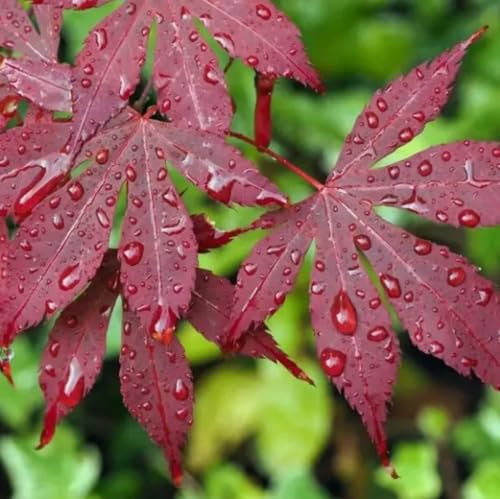
Category: Acer palmatum, ornamental and non-genetically modified seeds for propagation. Fast-growing red maple seeds can establish a canopy that provides meaningful shade as seedlings mature. While propagation is common through seed, these selections offer a starting point for gardeners interested in a layered, multi-season display. Red foliage can emerge with a striking presence in shade, though cultivar reliability will depend on growing conditions and seed stock. Suitable as a bonsai specimen or a small shade tree as it matures, this option supports a natural, living focal point in the landscape.
Japanese Red Maple, Compact, 3 gal

Compact Japanese red maples are well suited to shaded yards where room is limited. This 3-gallon plant typically features a spreading habit, making it an ideal focal point in shade gardens or as an accent near patios. The deep red or burgundy foliage can brighten dim corners, especially when paired with shade-tolerant underplantings. While some cultivars are small enough for containers, ensure that you provide adequate root space and protection from harsh afternoon sun. Note: shipments to certain states may be restricted by agricultural laws.
The Japanese Sango Kaku Maple
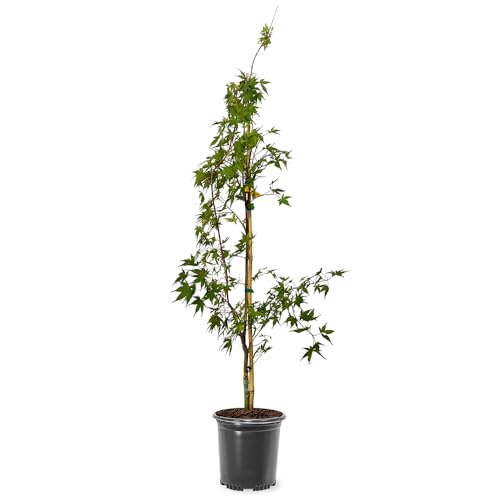
Known for its coral-red bark, the Sango Kaku maple provides winter interest alongside vibrant autumn foliage. The 1-gallon pot offers a manageable size for shaded landscapes, where the bright bark and lace-like leaf form create a multi-season color narrative. While some Sango Kaku selections can tolerate a range of light, they generally perform best with dappled shade or morning sun with afternoon shade. The dynamic visual effect—red bark against green leaves—adds texture to shaded borders and entryways.
METAMORPHOSA Japanese Maple

Metamorphosa, a Proven Winners selection, offers adaptable performance across sun and shade zones (Zones 5b-8) with a mature height range of 5-13 feet. This maple can thrive in full sun or part shade, making it versatile for mid-to-larger shade gardens. Its growth habit and seasonal color shifts support year-round interest in a variety of landscapes, from entryways to woodland-edge borders. Regular moisture and mulching help maintain soil temperature and encourage even growth in shaded areas.
The Japanese Sango Kaku Green Maple

This green-leafed Sango Kaku offers the same coral-red winter bark as its colored-leaf relatives, with a subtler foliage palette during the growing season. It remains a strong choice for shaded landscapes seeking year-round architecture and winter bark contrast. The 2-tree option provides a denser look sooner, which can be advantageous for creating a sheltered understory effect under taller trees. As with other maples, ensure adequate moisture, especially in hotter, drier climates, to preserve lush, healthy growth in shade.
10 Japanese Maple Seeds

This seed pack provides material for gardeners who enjoy propagation and experimentation. The seed set covers Acer palmatum varieties with potential for green to red leaf colors that may emerge as the plants mature. In shade, germination success and seedling establishment depend on consistent moisture and protected germination conditions. Although seed-grown maples can be rewarding, expect more variability in leaf color and habit compared to established container plants.
Aureum Japanese Maple

The Aureum variety features bright red leaf edges and orange centers in springtime, with a distinct ornamental structure. Its two-year live plant form can make a strong impression in shaded courtyards or woodland-edge beds. The eye-catching variegation is best viewed in well-lit shade where the foliage color can glow without prolonged exposure to harsh afternoon sun. For shade gardens, pair Aureum with shade-tolerant understory plants that complement its color palette.
Osakazuki Japanese Maple 2-Year Graft

Osakazuki is renowned for one of the finest fall color displays among Japanese maples, with rich scarlet hues that light up shaded spaces. This 2-year graft option provides a mature look sooner, along with the Royal Horticultural Society’s Award of Garden Merit recognition. In shade, Osakazuki can deliver dramatic seasonal color without requiring full sun exposure, though some varieties benefit from a touch more light to intensify autumn tones. It remains a reliable, garden-tested choice for a shaded collection.
Buying Guide: Key Purchase Considerations
- Light and shade tolerance: Most Japanese maples tolerate partial shade but vary in color intensity based on sun exposure. In very hot climates, morning sun with afternoon shade often yields best foliage color and growth.
- Size and mature habit: Consider whether you want a compact, dwarf, or larger specimen. Container-friendly cultivars may stay small, while landscape trees typically reach multiple feet tall over time.
- Seasonal color: Maples offer spring foliage, summer structure, and dramatic fall color. Bark color, such as coral or salmon, can add winter interest in shade gardens.
- Soil and moisture: Well-drained, slightly acidic to neutral soil with steady moisture supports healthy growth. Mulching helps conserve moisture and regulate root temperature in shade.
- Maintenance: Pruning should be light and selective to maintain shape and air circulation. Avoid heavy pruning in winter where possible to protect bark and growth points.
- Propagation vs. established plants: Seed-grown maples can be rewarding but may vary in form and color. Potted, grafted, or rooted cuttings generally offer more predictable characteristics for shade gardens.
- Region and delivery considerations: Some listings indicate shipping restrictions to certain states. Verify local regulations and supplier guarantees before purchase.
In selecting a Japanese maple for shade, balance color, texture, and size with your garden’s light patterns and soil conditions. The picks above illustrate a range of options—from seed-based introductions to compact and established maples—designed to bring year-round structure to shaded American gardens. Always consider mature size, root spread, and maintenance needs to ensure a thriving, low-stress addition to your landscape.