Protecting a garden from wildlife and keeping pets safe requires reliable, user-friendly electric fencing. The following selections offer a range of power options, from compact solar energizers to robust AC-powered units, each suited for gardens, coops, and small farms. Below you’ll find concise overviews, key specs, and practical considerations to help you choose the right fence energizer for your space.
| Product | Brand | Key Feature |
|---|---|---|
| Ortis 12,000V 3J | Ortis | High voltage with LCD status display |
| Happy Henhouse 0.25J | Happy Henhouse | Plug-in AC power, 2 miles of fence |
| ANDMON 0.12J AC-Powered | ANDMON | Efficient 2 miles coverage, weather-rated |
| Gallagher S6 Solar | Gallagher | Solar-powered with lithium battery |
| Briidea 0.1J 2-Mile | briidea | Two-terminal, 8-acre range |
Note: This article uses product features as described by sellers to aid in an objective comparison. Prices are not listed, and analyses focus on suitability for garden fencing and animal control.
Ortis 12,000V 3 Joules Electric Fence Charger

Ortis delivers up to 12,000 volts with 3 joules of pulse energy, designed for fences up to 6.2 miles. The unit is compatible with most soil types and is suitable for gardens and coops. The upgraded LCD display shows voltage at a glance, with a red LED signaling pulse activity and faults promptly. This rating system helps monitor fence health and animal control performance in real time. The system targets safe, effective containment without harming animals.
Happy Henhouse Electric Fence Charger

This 110V AC plug-in energizer powers up to 2 miles of single wire, delivering a pulsed deterrent of 0.25 joules. It’s designed to run continuously without batteries or solar, making it practical for garden perimeter protection. The unit emphasizes a strong deterrent that discourages predators and keeps pets safe, with easy, quick mounting on fence posts or walls. It’s positioned as a cost-effective, reliable option for small farms and gardens.
ANDMON 0.12 Joule AC-Powered Energizer

The 0.12 Joule energizer covers up to 2 miles (8 acres) with consistent pulses, suitable for gardens, backyards, and small livestock. The IP54 housing provides rain and dust protection, plus lightning protection for year-round use. It is marketed as low-maintenance and energy-efficient, with a claimed maximum output voltage around 5kV. This makes it a practical choice for established fence lines and standard wire systems needing dependable performance.
Briidea 2-Mile Electric Fence Energizer

Designed to cover up to 2 miles with a rating around 8 acres, this briidea unit has two terminals (fence output and separate ground). It emphasizes UL-listed safety features for reliable operation and is positioned as a balanced choice for general garden fencing. The product highlights ease of integration with common ground systems and compatibility with typical fence wiring, aiming for consistent performance in varied soil conditions.
Gallagher S6 Solar Electric Fence Charger
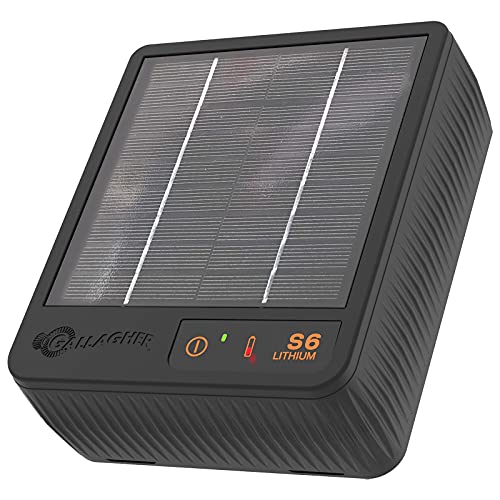
This solar-powered Gallagher S6 unit features a lithium battery and direct grounding rod mounting. It’s designed for gardens, chicken coops, and small animal enclosures, offering a compact solution with reliable solar recharge. The unit is targeted at low-maintenance setups where sun exposure is reliable, providing extended operation through cloudy days with a built-in grounding approach and a focus on practical, field-friendly use.
Buying Guide: Key Purchase Considerations
- Power source and coverage: Choose AC-powered units for constant power or solar units for remote areas. Match the energizer’s joule rating and voltage to the fence length and target pests.
- Fence type and compatibility: Verify compatibility with your fence wire (aluminum, steel, or polymer) and the number of conductors. Ensure the device can be mounted on posts or walls you plan to use.
- Weather resistance: Look for IP ratings and temperature ranges that fit your climate. Outdoor installations should resist rain, dust, and temperature swings without performance loss.
- Grounding and safety: A proper grounding rod and connection are critical for efficacy. Ensure the unit supports appropriate grounding options and follows safety guidelines to protect people and pets.
- Ease of installation and maintenance: Quick-connect wiring, clear status indicators, and minimal maintenance reduce long-term costs and downtime.
- Portability vs. permanence: Consider whether you need a portable unit for crop rotation or a fixed installation for year-round protection.
- Battery and solar dependencies: For solar chargers, evaluate panel efficiency, battery type, and expected run-time in low light.
When choosing, balance the garden size and animal presence with power availability and maintenance preferences. The right combination minimizes predator interactions while ensuring safe, humane operation for pets and wildlife alike.