Protecting garden crops from birds and other small animals is a common challenge for American gardeners. This guide compares the best bird netting solutions designed to keep fruit, vegetables, and ornamental plants safe while allowing sunlight, rain, and air to reach them. Below, five top-rated nets are highlighted with key features to help you choose the right size, mesh, and durability for your climate and plant varieties.
The following summary table presents the selected products in a quick view. Use it to compare core attributes at a glance.
| Product | Brand | Mesh / Size | Durability / Material |
|---|---|---|---|
| Feitore Deer Fence Netting | Feitore | 7 ft x 100 ft; 3/4″ mesh | Polypropylene; reusable |
| Bird Netting for Garden (RIFNY) | RIFNY | 13 x 40 ft; 1/2″ mesh | HDPE; UV resistant |
| Ruolan Bird Netting | Ruolan | 13 ft x 20 ft; 0.8″ mesh | Polypropylene; reusable |
| Sukh Garden Netting | Sukh | 13 x 33 ft; 0.8″ mesh | Polyethylene; durable |
| KLEWEE Bird Netting | KLEWEE | 7.5 x 25 ft; 3/4″ mesh | UV stabilized; reusable |
Feitore Deer Fence Netting For Garden Protection
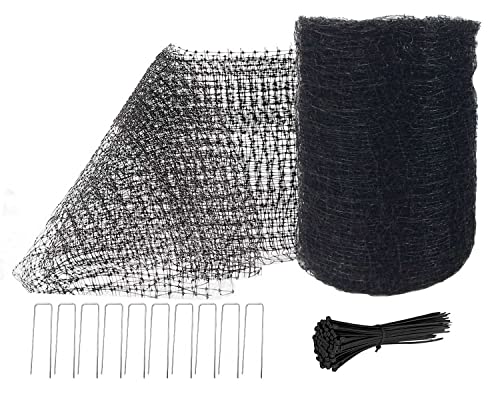
Feitore’s deer fence netting offers a robust 7 feet by 100 feet roll with a 3/4 inch square mesh. This design targets larger mammals and birds without hindering plant growth. The polypropylene construction keeps the net lightweight yet strong, resisting tears, rust, and rot more effectively than metal options. The included installation nails and cable ties simplify setup, making it a practical choice for gardeners with tall fruit trees, berry bushes, or sprawling vegetable patches. Reusability across seasons is a key advantage, helping protect crops from birds and other small intruders while maintaining airflow and sunlight.
Features include a flexible 3/4″ mesh that balances protection with plant access, a color that blends into many landscapes, and accessories to speed installation. The netting is designed to avoid tangling and to function well as a general-purpose barrier for birds, rabbits, and other garden visitors. This makes Feitore a versatile option for growers seeking long-term use without frequent replacements.
RIFNY Bird Netting for Garden

RIFNY’s garden netting uses high-density polyethylene to deliver strong, UV-stable protection in a 13 x 40 foot roll with a 1/2 inch mesh. The HDPE construction offers excellent resistance to UV exposure and temperature swings, making it a reliable option for year-round use in regions with extreme heat or cold. The mesh size is fine enough to deter a wide range of birds, while still allowing sunlight, air, and water to pass through to the plants. The netting’s design minimizes tangling, and its durability stands up to winter storms and seasonal wind.
Users can quickly cover individual beds or larger plots, and the fabric’s flexibility supports varied installations—from single-fence configurations to overhead trellises. The lightweight material is easy to handle, store, and reuse, which helps reduce repeated netting purchases over time.
Ruolan Garden Bird Netting
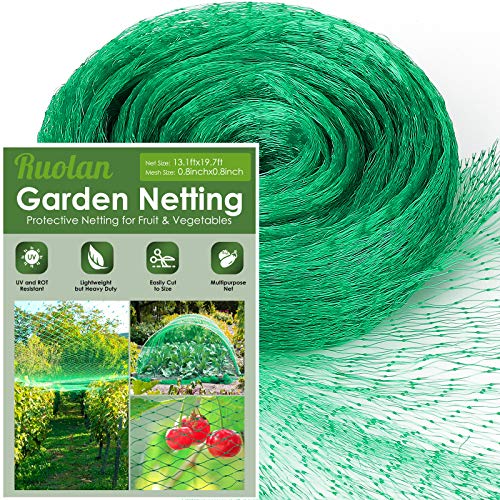
Ruolan offers a 13×20 foot garden netting option with a 0.8 inch mesh, designed to shield fruit trees and vegetable patches from birds, deer, and other animals. Made from polypropylene, the netting is reusable and resistant to wear, making it suitable for repeated seasons of protection. The setup process is DIY-friendly—gardeners can cut the netting to fit specific shapes and secure it to stakes or frames with relative ease. Its material choices emphasize flexibility and ease of handling, aiding quick deployments for late-season protection or post-harvest cover.
While providing reliable coverage, Ruolan’s net is designed to avoid excessive shading, helping crops receive necessary sunlight. The option suits small to mid-sized gardens where precise tailoring around individual plants is desirable, reducing waste and enabling targeted protection for prized crops.
Sukh Garden Netting For Plants

Sukh Garden Netting covers 13 x 33 feet with a 0.8 inch mesh, designed to protect fruit trees, vegetables, and ornamental plants from birds, squirrels, deer, and other pests. The polyethylene construction provides durability while keeping the net lightweight and easy to handle. The mesh size is optimized to allow sunlight and rainfall to reach plants, which helps maintain healthy growth while offering reliable predator protection. The netting’s edges are typically reinforced to improve fixation and reduce fraying during installation.
Because the netting is sizeable and flexible, it can be used as a full fence or cut into targeted sections for individual plants. This versatility makes it suitable for gardens with mixed crops or irregularly shaped beds, allowing gardeners to tailor coverage without compromising productivity.
KLEWEE Bird Netting For Garden

KLEWEE’s 7.5 x 25 foot net provides 3/4 inch square mesh as a balance between protection and plant access. The kit includes accessories like metal U-shaped staples and zip ties to speed installation. This option emphasizes durability through UV-stabilized materials, designed to withstand sun exposure and seasonal weather variations. The netting’s design aims to be non-toxic and animal-friendly, reducing the risk of harming birds or small animals while avoiding interference with plant growth. It’s well-suited for small-to-medium plots with fruit trees, berries, and vegetable beds that require dependable barrier coverage.
For gardeners who prefer a more compact, easily managed setup, KLEWEE’s netting offers straightforward deployment and reliable long-term use, making it a practical choice for perimeter protection or as overhead protection for delicate crops.
Buying Guide: Key Purchase Considerations
- Mesh size: Smaller meshes (around 1/2 inch to 3/4 inch) provide stronger protection against small birds and pests while still letting sunlight and rainfall reach plants. Larger meshes may be easier to handle but offer less deterrence for smaller pests.
- Material and durability: Polypropylene nets are lightweight and reusable, while polyethylene nets tend to be UV-stable and more weather-resistant. Consider climate, sun exposure, and how often you’ll deploy and remove the nets.
- Coverage area: Calculate your garden’s total area and the perimeters you want to cover. Larger plots may benefit from longer rolls that reduce seams and gaps where pests can intrude.
- Ease of installation: Look for nets that come with install accessories (ties, staples, nails) or that are easy to cut and fasten to frames or stakes. A simple setup saves time and reduces frustration.
- Impact on plants: Ensure the mesh design allows adequate light, air, and water to reach crops. Most 0.8″ to 3/4″ meshes provide a good balance between protection and growth.
- Reusability and storage: Durable nets that resist tearing and tangling store easily between seasons, lowering long-term costs and waste.
- Environmental considerations: Choose animal-friendly options that deter pests without harming birds or other wildlife. Some nets are explicitly marketed as wildlife-safe and non-toxic.
- Weather suitability: If you live in regions with extreme temperatures or heavy snowfall, verify that the netting remains flexible and non-brittle in winter and doesn’t sag under moisture.