Protecting hummingbird nectar from ants is essential to attract and keep these beautiful visitors visiting your yard. This guide reviews five highly relevant ant-guard options that work with common hummingbird feeders, highlighting effectiveness, durability, and ease of use. Each product below is chosen for broad compatibility, weather resistance, and simple setup, helping you minimize nectar spoilage and maximize bird activity.
Product Snapshot
- Perky-Pet AntGuard for Hummingbird & Oriole Feeders — Protects nectar from ants with a weather-protected permethrin dome. 245L capacity option suitable for hanging above feeders.
- Ant Moat for Hummingbird Feeders (Set of 2) — Red, durable plastic moats with S-hooks; easy water-based protection for multiple feeders.
- Ant Moat for Hummingbird Feeders (4 Pack) — Large capacity 6 oz moat cups; clear reservoir to monitor water levels; rust-resistant.
- Hummingbird Feeder Ant Moat (2 Packs) — Stainless steel construction; simple inline hanging between hook and feeder; oil or water for protection.
- Metal Ant Moat for Hummingbird Feeders (Red) — Red, durable metal guard with four hooks and brushes for thorough protection, no assembly needed.
Below is a quick reference to the five products selected for detailed sections. All entries include direct Amazon links, product images, and core features to help you compare at a glance.
Perky-Pet AntGuard For Hummingbird & Oriole Feeders

The Perky-Pet AntGuard is designed to repel sugar-eating ants from hummingbird and oriole feeders. It features a fast-acting mechanism that stops activity within 24 hours under optimal conditions, making it a reliable first line of defense. Its permethrin-based dome is weather-protected, providing long-lasting ant defense even during rain or sun exposure. The setup is straightforward: position above the feeder to create a barrier that ants must cross. This model is ideal for larger outdoor feeder stations that see heavy ant activity.
Ant Moat For Hummingbird Feeders (Set Of 2)

This two-pack set of ant moats is designed for easy protection of multiple feeders. The red color helps visually cue birds, and the S-shaped hook allows versatile mounting. Setup involves filling the moat with water, which creates a physical barrier ants can’t cross. For extended protection, a few drops of oil can be added. The system is simple and compatible with most hummingbird feeders that use standard hooks.
Ant Moat For Hummingbird Feeders (4 Pack, 6 Oz)
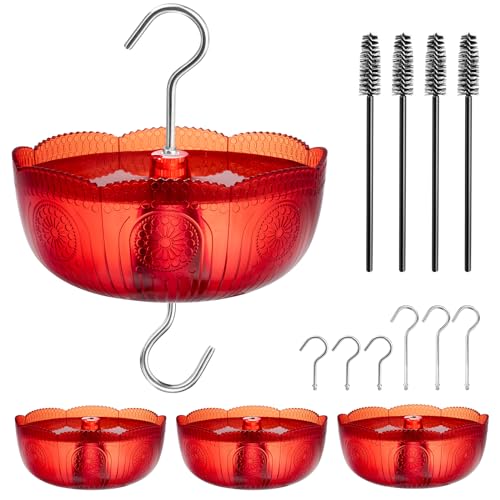
This 4-pack offers a larger total moat capacity with each cup holding up to 6 ounces. The wide 90 mm diameter moat cup is designed to deter larger ants and provides an easy way to replenish protection without frequent refills. The clear reservoir helps monitor water levels, ensuring continuous protection, and the stainless hook construction resists rust for long-term outdoor use.
Hummingbird Feeder Ant Moat (2 Packs)
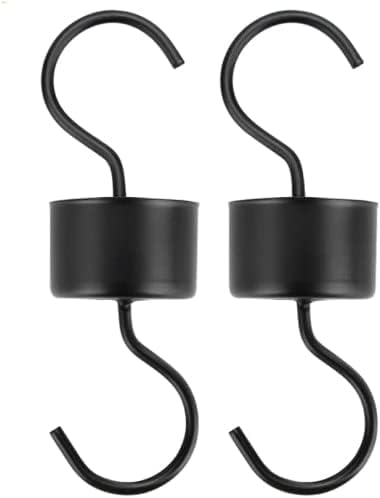
Designed with stainless steel for durability, this two-pack set mounts easily between the feeder and its hanging hook. The product emphasizes safety for hummingbirds and orioles, using a natural approach to ant control. An included simple maintenance routine involves adding a small amount of oil or water to the moat to maintain effectiveness without harming birds.
Metal Ant Moat For Hummingbird Feeders (Red)

Eyrosa’s metal ant moat features a red finish and a no-assembly design. The sturdy metal construction with four hooks and brushes provides thorough protection for outdoor hummingbird feeders. The design aims to minimize nectar contact with ants while offering a durable, weather-resistant solution that aligns with frequent outdoor use and varying climates.
Large Metal Ant Moat For Hummingbird Feeders (Red)

This is a larger, durable metal moat with four hooks and a red coating for high visibility. It is designed for long-lasting outdoor use and aims to prevent ants from accessing nectar through an integrated moat and protective hooks. Its design supports multiple feeder setups, making it suitable for households with several feeders in one area.
Buying Guide: Key Purchase Considerations
- Ant defense mechanism: Decide whether you prefer a chemical-based deterrent (e.g., permethrin) or a physical barrier (water/oil moat). Chemical solutions may offer longer protection but require careful placement and safety considerations for birds and pets.
- Durability and weather resistance: Look for weatherproof housings, rust-resistant materials, and robust mounting hardware. Outdoor use demands materials that tolerate sun, rain, and temperature changes.
- Capacity and maintenance: Larger capacities mean fewer refills, but ensure you can easily replenish the moat or refill reservoir. Clear reservoirs help monitor fluid levels at a glance.
- Compatibility: Ensure the moat or guard fits your feeder’s hanging hardware and dimensions. Some products come as sets for multiple feeders, which is cost-effective if you manage several feeders.
- Ease of installation: Simpler setups save time and reduce the risk of incorrect installation that could allow ants to bypass barriers. Consider products with straightforward inline mounting and minimal tools required.
- Impact on birds: Choose non-toxic, bird-safe solutions. Avoid products that may introduce residues into nectar. Stainless steel and food-grade plastics are often preferred for safety and longevity.
- Visual appeal and deterrence: Red-colored moats and visible barriers can help deter ants and attract birds by signaling a protected nectar source. Aesthetics matter if feeders are placed in visible garden areas.
- Multi-feeder coverage: If you have several feeders, consider a set or pack that lets you protect multiple stations at once, reducing overall setup effort and cost per feeder.
How To Choose Based On Your Situation
If you experience heavy ant activity in hot, humid seasons, a robust, weatherproof barrier with long-lasting protection (like permethrin-based domes or metal guards) may be preferable. For smaller setups or where you want zero chemical interference with nectar, multiple moats and water-based barriers offer a simple, bird-safe option. For households with several feeders, buying in sets can streamline maintenance and ensure consistent protection across all stations.
Regardless of the option you choose, regular checks help maintain effectiveness. Refill moats when water evaporates, inspect seals for wear, and ensure guards are properly positioned to prevent nectar losses. The right ant guard not only protects nectar but also sustains healthy, consistent hummingbird activity in your yard.