If your goal is natural mosquito control and a wildlife-friendly backyard, bat houses can help attract beneficial bats and reduce flying insects. This guide highlights five well-suited options for American homes and gardens, focusing on outdoor use, capacity, and durability. The best picks are designed for residential landscapes, farm edges, and conservation-minded properties. Read on to find which bat house fits your space and climate, plus practical setup tips.
Buyer types: homeowners seeking backyard mosquito relief, conservation-minded residents aiming to support bat populations, and multi-purpose outdoor spaces where weather durability matters. The table below provides a quick comparison of the five top choices.
| Product | Best For | Bat Capacity | Material / Design |
|---|---|---|---|
| BIGBATBOX Bat House (Two Chambers) | Medium to large backyards; general mosquito reduction | Up to 75 | Cedar wood; two-chamber design; weather resistant |
| North States Outdoor Bat House (3 Chambers) | Robust mosquito control; larger bat populations | Up to 75 | Natural wood; three chambers; bat-friendly interior |
| Azefun Wooden Bat House (2 Chambers) | DIY-friendly installations; tree or wall mounting | Up to 75 | Wood; two chambers; weather resistant |
| WHITEHORSE MTBC-Certified Bat House (1 Chamber) | MTBC-certified attraction; high trust for bat science | 1 chamber; supports multiple bats | Cedar; MTBC-approved design; easy mounting |
| Capruzad Wooden Castle Bat House (2/3 Chamber) | Aesthetic yard feature with solid roosting | Multi-chamber (2/3 tiers) | Wood; ventilated design |
BIGBATBOX Bat House for Outdoors

Two-chamber design offers an efficient roosting area, modeled after a proven MTBC-certified box. Best for homeowners seeking a straightforward, durable solution to attract bats and reduce mosquitoes. The cedar construction is naturally resistant to rot and weather, making it suitable for year-round outdoor use.
Best for: medium-to-large backyards and first-time bat box installations. Why selected: simple two-chamber setup, strong weather tolerance, and no interior paint to deter roosting. Caution: large dimensions may require a sturdy mounting location and clear flight access for bats.
North States Outdoor Bat House (3 Chambers)
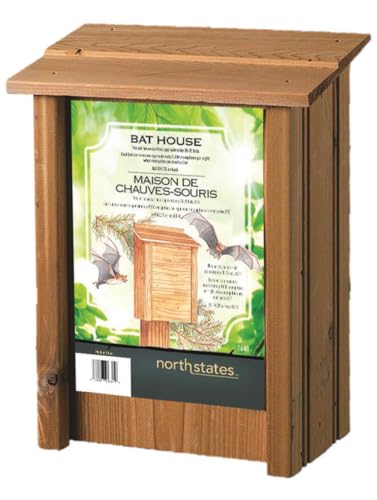
This bat box features three chambers and a capacity for up to 75 brown bats. It is designed with landing skeRFS and grooved interior walls to provide a secure roosting platform and climbing surface. Built to withstand outdoor weather, it’s a solid choice for mosquito reduction on larger properties.
Best for: households prioritizing multi-chamber roosting with proven access features. Why selected: higher roosting volume and a bat-friendly interior. Caution: ensure the base area around the box is clear for bats to land and exit easily.
Azefun Wooden Bat House for Outdoors

This two-chamber bat house is sized to hold up to 75 bats and is designed to withstand varied weather. It comes with screws for easy installation on trees or structures. The product emphasizes mosquito control and outdoor durability in a compact package.
Best for: installations with simple mounting options. Why selected: easy setup and proven mosquito suppression. Caution: ensure there are no nearby obstacle obstructions that could hinder bat takeoff.
WHITEHORSE MTBC-Certified Bat House

This 1-chamber cedar bat house is MTBC-certified, designed to ease installation with included hardware and tips. Cedar is untreated or paintable, and the chamber width helps reduce wasp nest issues. The box is built for durability and guided attraction of bats through established MTBC methods.
Best for: buyers seeking MTBC endorsement and a trusted, single-chamber option. Why selected: MTBC certification adds a conservation-backed credibility. Caution: single-chamber capacity is smaller than multi-chamber alternatives.
Capruzad Wooden Castle Bat House
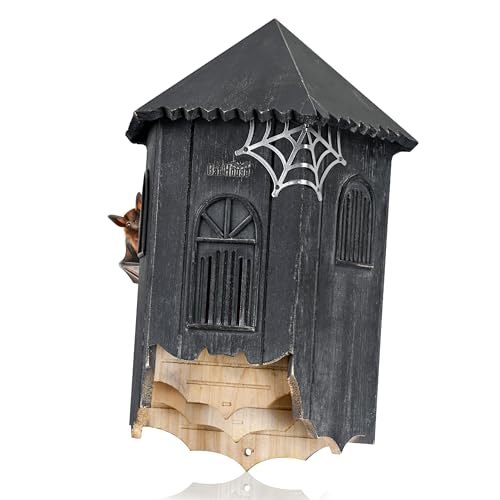
This castle-inspired bat house features a gatehouse, tower, and curtain wall, offering a visually striking roost with multi-chamber potential. Ventilation gaps support temperature control and comfort for roosting bats. Suitable for larger colonies or as a decorative, bird-friendly feature.
Best for: properties wanting a distinctive look with practical roosting space. Why selected: multi-level design can accommodate more bats; good ventilation. Caution: visual style may attract attention from pets or wildlife, so placement matters.
Buying Guide: What To Consider When Choosing A Bat House
Size and capacity: Match chamber count and overall volume to your yard size and target bat population. Larger boxes attract more bats but require ample mounting space and flight clearance.
Placement and mounting: Install high, away from bright lights, and ensure a clear flight path. Use sturdy screws and avoid hiding spots that might invite predators or pests.
Materials and durability: Cedar is common for outdoor bat houses due to rot resistance and natural aesthetics. Unpainted interiors can encourage roosting consistency for bats sensitive to interior finishes.
Certification and design cues: MTBC certification offers credibility for attracting bats that support ecological balance. Multi-chamber designs often support larger roosts and varied species.
Maintenance: Most bat houses require minimal maintenance, but cleaning or repainting exteriors (outside only) can extend life. Avoid interior paints that emit odors harmful to bats.
Climate suitability: In harsher climates, choose weather-resistant construction and consider insulation or proper ventilation to maintain roost temperatures across seasons.
Installation tips: Use exterior-grade hardware, mount on smooth surfaces, and avoid tree trunks that may split. Ensure there is no vegetation directly blocking entrance paths.
Frequently Asked Questions
- Do bat houses really reduce mosquitoes? Bat houses attract insect-eating bats that feed on mosquitoes and other flying insects, helping reduce local populations.
- How high should I install a bat house? Install at least 10–15 feet above the ground for safety and easier bat access, depending on local guidance.
- Can I paint the inside of a bat house? No. Painting the interior can deter roosting bats; exterior painting should be avoided inside and used only on the outside if desired.
- Is MTBC certification important? MTBC certification signals adherence to best practices for attracting and supporting bat populations, which can improve occupancy rates.
- How many bats can a bat house support? Capacity varies by design; multi-chamber boxes typically support dozens to hundreds of bats in large setups.
- Are bat houses safe for pets? Most designs are safe when mounted properly at height and away from pet access paths; ensure placement minimizes interaction with curious pets.