Looking for a reliable tool to cut tall grass and overgrown weeds? This guide highlights five top picks that excel at clearing wide areas, ditches, and fields. These tools are best for homeowners with large yards, rural properties, and seasonal yard maintenance. Each option emphasizes blade effectiveness, reach, and comfort to minimize bending and fatigue. Read on to compare features, best-use scenarios, and practical cautions for choosing the right tool for your space.
Summary table of selected products:
| Product | Best For | Key Benefit | Limitations |
|---|---|---|---|
| Walensee Grass Whip | Large yards, ditches | Double-edged blade for tall growth | 34–36″ reach with 22″ blade |
| True Temper Grass Whip | Wide areas, long reach | 38″ hardwood handle | Wood handle may require care |
| Walensee Weed Cutter 30″ | Overgrown weeds, thistles | 30″ steel handle, double-edged blade | Heavier at full length |
| BlumWay 60 Inch Weed Cutter | Upright use, tall weeds | Very long adjustable handle | Heavier and needs space to swing |
| Zenport K310 Sickle | Hand weeded beds and edges | Lightweight, precision blade | Smaller reach |
Walensee Grass Whip With Double-Edged Serrated Blade
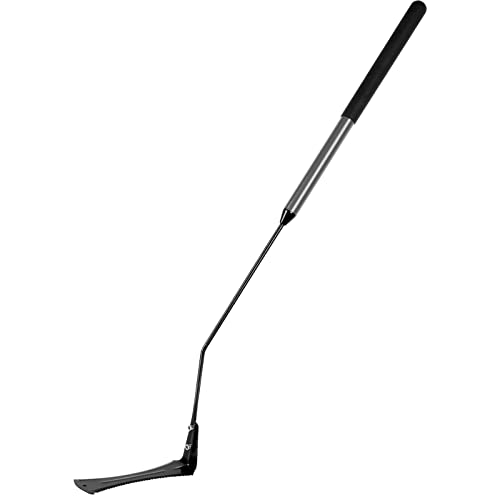
The Walensee Grass Whip uses an 8-inch double-edged serrated blade and a 22-inch handle for a balanced reach. The serrated edge enhances cutting efficiency on tall growth with each swing. Best for: homeowners who want a versatile tool for wide areas and easier cutting without bending. Caution: blades are sharp; handle grip should be dry for secure control. The T-style soft rubber grip reduces fatigue during long sessions.
True Temper 2942600 Grass Whip

The True Temper Grass Whip features a double-edged serrated blade and a 38-inch hardwood handle for extended reach. Best for: users who need a sturdy tool to cover wide zones with minimal bending. Caution: wooden handle may require maintenance to prevent splinters over time. The serrated blade cuts tall growth efficiently on flat or sloped terrain.
Walensee Weed Cutter With Serrated Blade, 30-Inch Handle

This 14-inch double-edged serrated blade pairs with a 30-inch steel handle to trim tall grass and overgrown weeds across wide areas. Best for: gardeners needing a robust tool for sod, ditch clearing, and field work. Caution: steel handle can be heavier; use two-handed stance for safety.
YEELOR 51-Inch Weeding Sickle
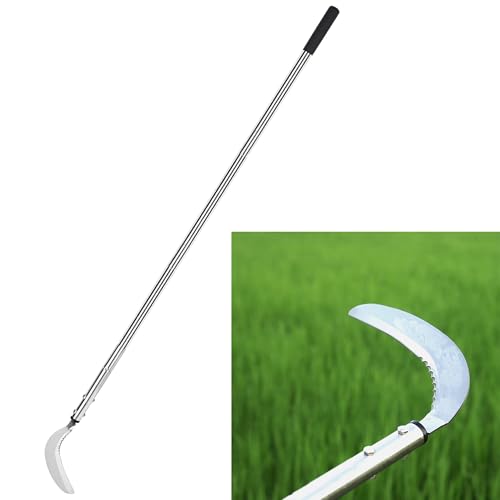
The YEELOR Weeding Sickle offers an adjustable length (up to 51 inches) with a dual-edge blade design to handle both soft and hard weeds. Best for: gardeners seeking a long-reach tool with two blade types to reduce switching tools. Caution: heavier blade requires steady handling to avoid fatigue in extended use.
BlumWay 60 Inch Weed Cutter

The BlumWay weed cutter features a 14-inch blade with an 80-inch cutting range and a 60-inch adjustable stainless steel handle. Best for: standing, upright operation over large patches without excessive bending. Limitation: tool can be heavy and requires space to swing safely; use appropriate protective footwear and gloves.
Zenport K310 Brush Clearing Sickle

The Zenport K310 offers a 9-inch carbon steel blade with a lightweight aluminum handle and soft grip. Best for: precise weed removal in gardens and landscaping beds. Caution: shorter reach compared to long-handled tools; may require stepping or repositioning for tall growth.
Buying Guide: How To Choose The Right Tall Grass Cutter
- Reach and posture: Choose a tool that lets you stand upright to reduce back strain. Longer handles improve ergonomics for big yards.
- Blade design: Double-edged serrated blades cut tall grass and tough weeds more efficiently; consider blade size relative to area being cleared.
- Material and durability: Stainless steel blades resist rust; wood handles offer tradition but require maintenance; aluminum handles stay light and sturdy.
- Weight and balance: Lighter tools reduce fatigue but may sacrifice cutting power; balance is key for comfortable extended use.
- Maintenance: Look for rust-resistant components and simple cleaning after use, especially in wet conditions.
- Terrain compatibility: For wide, open areas, longer reach tools excel; for garden edges, a lighter sickle may be better.
- Safety: Always wear gloves and eye protection when handling sharp blades and serrated edges.
Practical Tips For Use
- Plan your cutting path to minimize repeated passes and maximize efficiency.
- Alternate swing directions to prevent blade dulling on one edge.
- Keep blades sharp and lightly oiled to extend life and improve performance.
FAQ
- Q: Which tool is best for very tall weeds in ditches? A: Tools with long, adjustable handles and serrated double-edged blades, like the 60-inch BlumWay or 30-inch Walensee models, offer the best balance of reach and cutting power.
- Q: Do I need a wooden handle or metal handle? A: Metal handles are generally more durable and weather-resistant; wooden handles provide a traditional feel but may require more upkeep.
- Q: Can I use these tools for lawn edges? A: Yes, especially models with a narrower blade or flexible blade geometry designed for precise edging, such as the Zenport K310 and CKLT edger variants.
- Q: Is a longer blade always better? A: Not always. Longer blades cut wider swaths but can be harder to maneuver in tight spaces; choose based on your space and height.
- Q: Should I oil the blade after use? A: Yes, wipe clean and lightly oil to prevent rust, particularly in damp conditions.
- Q: Are these tools suitable for professional use? A: Many are durable enough for occasional heavy-duty yard work, but commercial-grade use may require tools designed for frequent, long sessions.