Growing chilies at home is a flavorful way to boost meals and preserve heat. This guide highlights five standout chili seed options designed for American gardens, containers, and extended harvests. Each choice balances heat, flavor, and reliability, helping you pick seeds that suit your space and culinary style.
| Product | Brand | Notes |
|---|---|---|
| Thai Chili Pepper Seeds for Planting | SURVIVAL GARDEN SEEDS | Hot Thai variety with compact plants |
| Bird’s Eye Chili Pepper Seeds | KVITER | High-heat small peppers; prolific |
| Cayenne Pepper Seeds for Planting | SURVIVAL GARDEN SEEDS | Classic hot pepper for drying and sauces |
| Pepper Seeds for Planting – 12 Packs | SURVIVAL GARDEN SEEDS | Variety pack with multiple peppers |
| Serrano Hot Chili Pepper Seeds | Isla’s garden seeds | Classic serrano heat for salsas |
Below are the selected products, presented with practical details to help you decide which seeds fit your climate, space, and cooking style. Each section includes a brief overview, growing notes, and key characteristics to compare at a glance.
Thai Chili Pepper Seeds For Planting

Brand: SURVIVAL GARDEN SEEDS
Key features: Spicy heirloom variety delivering 50,000–100,000 SHU. Plants are compact, suitable for containers or small raised beds with high yields. Germination typically occurs in 7–14 days, with a 95–130 day harvest window after transplanting post-frost.
Bird’s Eye Chili Pepper Seeds
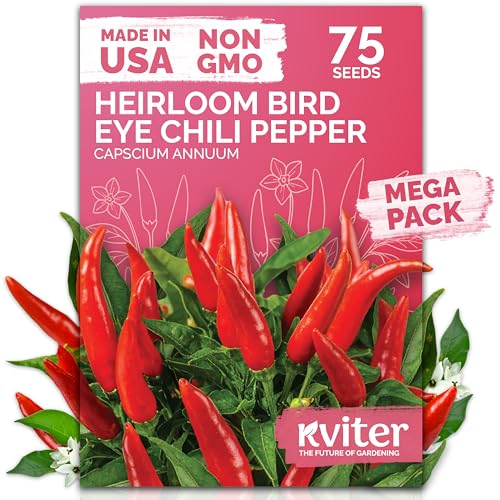
Brand: KVITER
Key features: Fiery germination in 7–14 days at 75–85°F with up to 95% success. Compact plants reach about 12–18 inches, producing dozens to hundreds of peppers, ideal for patios or containers. Heat ranges 50,000–100,000 SHU, suitable for Asian-inspired dishes and dried pepper use.
Cayenne Pepper Seeds For Planting
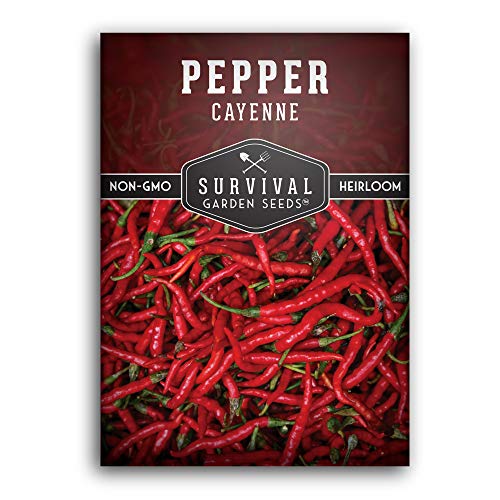
Brand: SURVIVAL GARDEN SEEDS
Key features: Classic cayenne heat in the 30,000–50,000 SHU range. Plants are high-yielding, with slender 5–6 inch fruits. Matures in about 70–85 days, thriving in full sun with moderate watering across USDA zones 4–11.
Pepper Seeds For Planting – 12 Packs

Brand: SURVIVAL GARDEN SEEDS
Key features: Includes 12 pepper varieties such as Jalapeño, Serrano, Cayenne, Bell, Anaheim, and Habanero. Offers both hot and sweet options, suitable for container gardens and raised beds. Designed for easy growth and broad culinary use, with non-GMO, long-term viability for planning multiple seasons.
Serrano Hot Chili Pepper Seeds
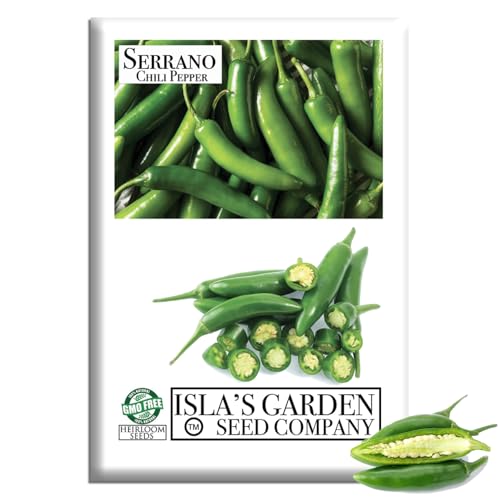
Brand: Isla’s garden seeds
Key features: Serrano peppers, 2–3 inches long, with heat in the 10,000–23,000 SHU range. Plants reach 24–36 inches tall and perform well in beds, raised planters, or containers. Ideal for fresh salsas, sauces, drying, and bold Mexican dishes.
Buying Guide: Key Purchase Considerations
- Heat level and flavor profile: Match SHU ranges to your cooking style, from mild to extreme heat. Consider how peppers will be served (salsas, sauces, drying, or fresh eating).
- Growing space: Choose compact varieties for containers or small raised beds, and select taller, disease-resistant types for larger garden sites.
- Germination and vigor: Look for seeds with strong germination rates and short days-to-maturity to maximize harvest windows in your climate.
- Storage and shelf life: Some seed packs advertise long-term viability. Store seeds in a cool, dry place to preserve germination potential for future seasons.
- Versatility: A mixed-pack approach offers flexibility for different recipes and preservation methods, from drying to pickling.
- Non-GMO and heirloom attributes: If you prefer traditional varieties, prioritize heirloom and non-GMO seeds, and verify that packaging aligns with your sustainability goals.
- Climate compatibility: Check local frost dates and sun exposure. Warm-season peppers generally thrive with full sun and steady water.
- Storage of harvest: Plan for drying or freezing if you grow high-yield varieties, ensuring you can utilize peppers year-round.
Growth notes: Common care across these varieties includes full sun, well-draining soil, consistent moisture without waterlogging, and periodic feeding with a balanced fertilizer. Containers should have adequate drainage and, for compact plants, larger pots can improve fruit size and yield. Regular pruning is optional but can help manage size and air circulation in tight spaces.
The selections above cover a range of heat levels and culinary uses, from Thai Bird’s Eye heat to classic cayenne and serrano peppers. They are well-suited for home gardeners who want reliable germination and tangible harvests, whether growing in containers or traditional beds. By balancing variety, space, and culinary goals, you can assemble a spicy, year-round home garden that supports fresh cooking, preservation, and experimentation.
Additional Considerations: Perspectives and Practicality
- Beginner gardeners may prefer mixed packs with easy-to-grow varieties, ensuring early successes and motivation to continue.
- Indoor gardeners can opt for compact varieties that perform well in pots and under indoor grow lights.
- Experienced growers might explore high-heat options like Thai Bird’s Eye or Ghost Pepper, expanding culinary experiments and preserving techniques.
- Storage and seed longevity are practical when planning for multiple seasons; consider buying seeds with a clear germination rate and storage guidance.
- Regional climate should guide selection; in cooler zones, earlier-maturing varieties help achieve harvest before frost.