Answering the question, the best organic fertilizers for blueberries provide acid-loving plants with steady, balanced nutrients to support flowering, fruiting, and root health. This guide highlights five top options and explains who each product is best for, plus practical buying considerations. It’s aimed at home gardeners growing blueberries in acidic soils, as well as small-scale fruit farmers seeking natural feeding methods. The selections emphasize low-pH compatibility, ease of use, and reliable nutrient release to maximize berry yield and flavor.
The following quick comparison helps you pick quickly. It lists intended plant families, primary nutrient focus, and notable handling notes. Use this table to decide which product aligns with your blueberry variety, soil type, and maintenance routine.
| Product | Best For | Nutrition Focus | Key Note |
|---|---|---|---|
| Down To Earth Acid Mix | Blueberries, raspberries, azaleas | Low pH, balanced N-P-K | Encourages blooms and root growth in acid-loving plants |
| Espoma Berry-Tone | All berries including blueberries | Balanced 4-3-4 with Bio-tone | Ready-to-use; two feeds per year often advised |
| Bloom City Berry Fertilizer (Liquid) | Blueberries and strawberries | Balanced liquid nutrients | Supports fruit development and root strength |
| Jobe’s Organics Soil Acidifier | Blueberry and hydrangea beds | Acidifier with sulfur | OMRI-listed; acidifying for pH-sensitive plants |
| TPS Nutrients Blueberry Fertilizer (Liquid) | Blueberry shrubs | Nitrogen, phosphorus, potassium mix | Focuses on growth and fruiting |
Down To Earth All Natural Acid Mix For Acid-Loving Plants

Best for: blueberry growers who want an all-natural option that targets low pH and supports a broad range of acid-loving plants. This mix is particularly suited for blueberries needing acidity, and it’s also good for rhododendrons and azaleas. The product emphasizes a natural blend that encourages vegetative growth in spring and root development in fall, with a focus on boosting frost resistance through fall applications.
Why selected: The formulation is designed for plants with a preference for acidic soil, aligning with blueberry needs. It provides a stable nutrient base while minimizing synthetic inputs, making it a strong option for organic gardens seeking predictable soil chemistry tweaks and seasonal support.
Caution: For best results, apply according to plant growth stages and avoid over-application in alkaline-pH patches, which can reduce effectiveness.
Espoma Berry-Tone 4-3-4 Organic Fertilizer

Best for: gardeners who want a ready-to-use, dual-purpose berry fertilizer with a long-standing organic brand reputation. It’s especially suitable for blueberries and other berries, with a formula designed to feed established plants as well as new plantings.
Why selected: Berry-Tone combines natural ingredients with Bio-tone’s microbial enhancement, delivering steady nutrition with minimal mixing. The 4-3-4 analysis plus sulfur supports berry formation and plant vigor while avoiding synthetic sludges or toxic ingredients.
Caution: It is a feeding routine with two seasonal applications typically recommended; overfeeding can lead to excessive vegetative growth at the expense of fruiting in some varieties.
Bloom City Organic Berry Fertilizer

Best for: berry gardeners seeking a liquid option that directly feeds the plant and supports both root development and fruiting. This product is formulated for blueberries and strawberries, emphasizing healthy root systems and productive harvests.
Why selected: Liquid formulations enable faster nutrient uptake and consistent feeding, which can be advantageous during active growth and fruiting periods. It provides balanced nutrition tailored to berry plants in a convenient bottle.
Caution: Liquid feeds require regular application according to the label to prevent nutrient imbalances; avoid overwatering that can wash away nutrients.
Jobe’s Organics Granular Soil Acidifier For Blueberry Plants

Best for: blueberry beds requiring soil acidification to boost nutrient availability and color. It’s a granular option that helps reduce soil pH and provides natural sulfur for vibrant foliage and fruit production.
Why selected: OMRI-listed organic options support compliant organic gardening while addressing soil alkalinity directly. It’s well-suited for long-term blueberry beds needing sustained pH management and plant vigor.
Caution: Granular applications must be timed with irrigation to avoid dust and ensure even distribution; excessive use can lower soil pH too quickly in some soils.
TPS NUTRIENTS Blueberry Liquid Fertilizer
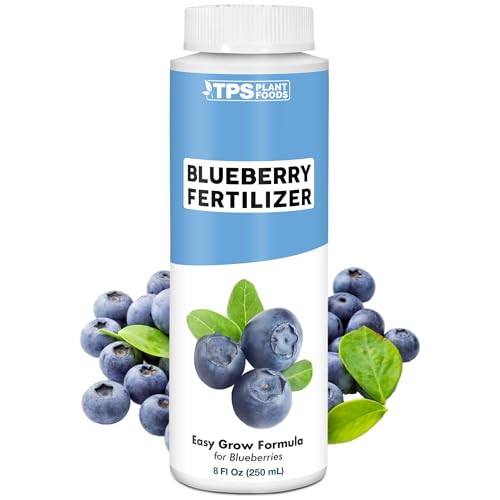
Best for: blueberry growers who want a dedicated liquid fertilizer focused on growth and fruiting. It’s designed to support steady plant development and fruit set with a balanced nutrient profile.
Why selected: The product highlights a practical approach to feeding blueberries, emphasizing nutrition that aids both vegetative growth and berry production. It’s a simple, ready-to-use option for regular care.
Caution: Liquid formulations can be sensitive to watering schedules; follow label directions to prevent nutrient runoff or salt buildup in the root zone.
Buying Guide: Key Purchase Considerations
What soil conditions suit organic blueberry fertilizers?
Blueberries prefer acidic soil, typically pH 4.5 to 5.5. Choose products explicitly formulated for acid-loving plants or those designed to lower soil pH gradually. Buffering effects and slow-release formulas help maintain stable acidity and steady nutrition.
Which formulation type should I choose?
Dry granular blends are great for established beds and seasonal feeding, while liquids offer quick uptake and flexible dosing during active growth. Consider a mix of both if you manage a potted blueberry plant or a mixed bed with several acid-loving species.
How often should I fertilize blueberries?
Most guidelines suggest feeding in early spring to promote vegetative growth and again at flowering for fruiting. Some products recommend a second fall application to support root development and cold-season hardiness. Align with your plant’s growth stage and soil test results.
What are common cautions with organic blueberry fertilizers?
Avoid over-application, which can lead to nutrient imbalance or salt buildup in the soil. For acidifiers, monitor soil pH to prevent it from dropping too far below the target range. Some blends require mixing or pre-dilution; follow label instructions carefully for best results.
How do I choose for container-grown blueberries?
Containers heat up faster and require more frequent feeding. Liquid formulas are often preferred for pots due to easier and quicker uptake, while steady slow-release granules can help with longer-term container health when combined with appropriate watering practices.
What other factors matter for blueberry health?
Soil drainage, mulching with acidic organic matter, and consistent watering are essential. Pair feeding with proper irrigation, mulch that supports soil acidity, and pest management to maximize berry quality and yield.
Frequently Asked Questions
- Is organic fertilizer safe for blueberries? Yes, when formulated for acid-loving plants and applied according to label directions. It supports growth without synthetic chemicals.
- Can I use any fertilizer on blueberries? Not all fertilizers suit blueberries. Look for formulas with low pH considerations and a balance that supports flowering and fruiting for acid-loving plants.
- How often should I fertilize blueberries in pots? For containers, more frequent light feeds are common, especially during the growing season, to maintain consistent nutrient availability.
- Should I test my soil before fertilizing? Soil tests help determine pH and nutrient levels, guiding precise fertilizer choice and timing for best results.
- Can I mix multiple products? It’s typically best to follow product-specific guidance or consult a soil test. Mixing can lead to nutrient imbalances or interactions.
- Do organic fertilizers affect berry flavor? Properly balanced nutrient supply supports healthy fruit development and flavor, while avoiding overfeeding reduces the risk of off-tastes from nutrient excesses.