Gravel grids, or geocells, offer a stable foundation for walkways, driveways, and garden paths by locking in gravel and distributing heavy loads. For American homeowners and DIY enthusiasts, selecting the right grid depends on load requirements, ground conditions, and installation ease. The following 5 products are among the most relevant for durable, mulitple-use gravel paths, driveways, and slope stabilization. Read on for practical details, installation tips, and a comprehensive buying guide to help you choose the right system for your space.
| Product | Brand | Size / Coverage | Key Benefit |
|---|---|---|---|
| Sunnyglade 2″ Thick Ground Grid | Sunnyglade | 40′ L x 4′ W (approx. 160 sq ft) | Good for light loads and flexible use on slopes or flat areas |
| 2″ Thick Gravel Ground Grid (MIWOOYY) | MIWOOYY | 6.5 ft x 16.5 ft | High load-bearing and easy DIY installation |
| 40FT Gravel Driveway Grid | GRITSPIKE | 40 ft long grid (varies by model) | Heavy-duty load support for driveways and parking pads |
| Gravel Grid 4.4×33 FT | LXVOOEE | 4.4 x 33 ft total (3 panels) | Sturdy grid with hardware for neat, long runs |
| Sunnyglade 4″ Thick Ground Grid | Sunnyglade | 16.5′ L x 6.5′ W | Extra-depth grid for sloped or soft ground with higher stability |
Sunnyglade 2″ Ground Grid – 160 Sq Ft

The Sunnyglade 2″ thick ground grid provides a versatile solution for both slopes and flat areas. With a 40′ x 4′ footprint that covers about 160 square feet, this geocell grid supports light loads while preserving surface integrity. The 2-inch depth helps stabilize soft or uneven ground, making it suitable for garden paths, patios, parking areas, and RV access. Constructed from high-density polyethylene (HDPE), the grid is recyclable, durable, and resistant to deformation and aging. It is foldable for easy storage and can be cut to fit specific layouts.
Key considerations: aim for at least 2 inches of depth on light-to-moderate paths, and ensure proper filling with gravel or soil to maximize stability. The system’s flexibility supports irregular terrains, and its foldable design simplifies transport and storage.
MIWOOYY 2″ Gravel Ground Grid – 6.5×16.5 Ft

MIWOOYY’s 2″ thick geo grid is designed for multi-purpose use on slopes and flat areas. The 6.5-foot by 16.5-foot footprint covers a substantial area, and its HDPE composition provides abrasion resistance and stability across various soils. The grid is rated to withstand high loads when filled, making it suitable for walkways, patios, driveways, and RV parking. It emphasizes eco-friendly materials and durable performance in different weather and soil conditions.
Key considerations: check the fill material—gravel or soil—to balance load distribution, ensure secure anchoring, and confirm compatibility with your slope. The product emphasizes ease of installation and long-term durability under light to moderate traffic.
GRITSPIKE 40FT Gravel Driveway Grid

This 40-foot gravel driveway grid is engineered from high-density polyethylene (HDPE) with a 5 cm (2 inch) deep honeycomb structure to distribute weight evenly and minimize rutting. It is designed to support heavy loads—cars, RVs, trucks, and trailers—making it ideal for driveways, parking pads, and construction routes. The kit includes installation aids such as stakes and fasteners, enabling a straightforward DIY setup. The grid’s integrity helps lock gravel in place and prevents erosion on slopes.
Key considerations: verify the load requirements for your specific vehicle types and ensure you have adequate staking for secure anchoring. Consider the thickness and spacing when choosing for steeper slopes or loose soils.
LXVOOEE Gravel Grid 4.4×33 Ft – 2″ Depth

The LXVOOEE gravel grid kit covers 4.4×33 feet with three panels, totaling about 33 feet in length. Each grid is 8.9 by 8.9 inches with a 2-inch depth, designed to support ground stability and slope management. The set includes 20 stakes and 28 clips, enabling tidy, secure installation. Made from high-density polyethylene, the grid resists photooxidation and chemical exposure, making it suitable for a variety of soils and climates. It is versatile for driveways, walkways, garden paths, and paddocks.
Key considerations: assess panel length against your project length, and assemble with included hardware to minimize movement. Consider using underlayment or base material to further improve drainage and stabilization on soft ground.
Sunnyglade 4″ Thick Ground Grid – 107 Sq Ft
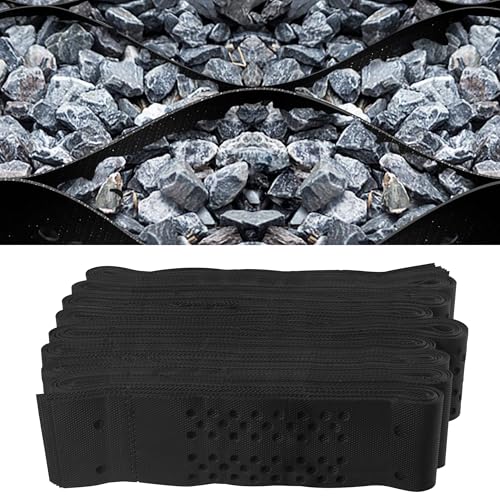
The Sunnyglade 4″ thick ground grid offers higher-depth stabilization for challenging ground conditions. With a footprint of 16.5′ x 6.5′ (approximately 107 square feet), it is designed for heavier applications and slope navigation. The grid uses HDPE material that remains recyclable and resistant to aging. It is suitable for light- to moderate-load areas, including garden paths, patios, parking spaces, and driveways. The deeper cells distribute weight more evenly and improve long-term performance in soft soils.
Key considerations: the deeper structure supports more demanding loads and steeper slopes, but requires careful filling to maintain evenness. Plan for correct base preparation and drainage to maximize the grid’s lifespan on uneven terrain.
Buying Guide: Key Purchase Considerations For Gravel Grids
Load requirements: Determine expected traffic—pedestrian, vehicle, or light truck—and choose a grid depth and cell size that matches load-bearing needs. Deeper grids (2″ to 4″) generally offer better stability on slopes and soft soils.
Ground conditions: Assess soil stability, drainage, and slope. Sloped or loose soils benefit from higher-depth grids and robust anchoring. For areas with drainage concerns, select permeable grids that promote water flow and reduce erosion.
Material and durability: Look for HDPE or similar high-density plastics that resist oxidation, UV exposure, and weathering. Recyclability is a plus, but longevity in your climate matters most for long-term value.
Installation ease: DIY-friendly grids should include necessary hardware (stakes, clips, or fasteners) and clear installation steps. Lighter grids may be easier to handle but offer less load support; heavier options provide stability but can require more effort during setup.
Replacement and expansion: Consider modular designs that can be extended if your project grows or changes. Flexible grids that can be cut to fit irregular spaces save time and waste.
Base and fill: Correct base preparation—such as a compacted sub-base and proper edging—helps prevent rutting and movement. The choice between gravel vs. soil fill impacts drainage, weight distribution, and maintenance needs. Permeable options reduce standing water and erosion risks.
Cost-to-benefit: Compare total coverage, depth, and included hardware. While higher-depth grids cost more upfront, their durability and load capacity may offer better long-term value for high-traffic areas.
Maintenance: Gravel grids can reduce mud and rutting but still require periodic topping and refill in areas with heavy use. Ensure you have an easy plan to replenish gravel and inspect anchoring over time.
Environmental impact: Favor grids made from recycled materials when possible, and consider end-of-life disposal or recycling options at the end of their service life.